76% of Americans can’t spot AI-generated fake news. In a world where disinformation spreads faster than facts, media literacy is your ultimate defence. How to decode digital manipulation, protect your decisions, and become a smarter information consumer? Here’s how to fight back.
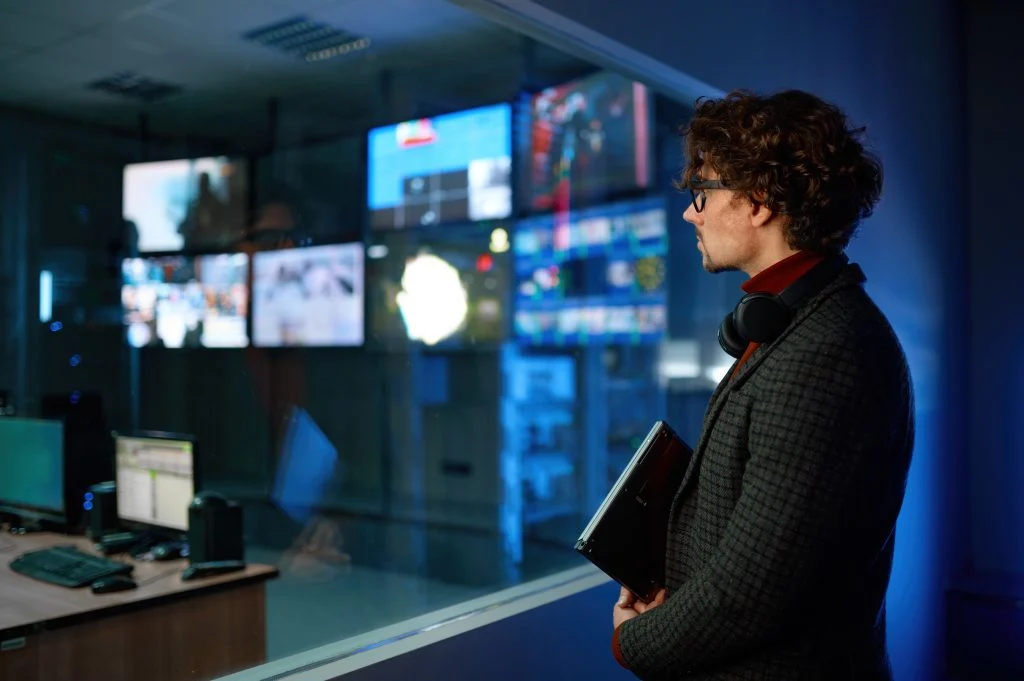
We’re swimming in more information than any generation in history, yet we seem to be drowning in confusion. We carry devices in our pockets that connect us to the sum of human knowledge, yet misinformation spreads faster than ever.
In today’s attention economy, where everyone’s competing for your clicks, likes, and shares, how do we separate fact from fiction? The answer lies in developing a crucial skill set for our times: media literacy.
72% of Americans recognise the importance of media literacy in combating intentionally misleading information, an urgency sharpened by the proliferation of AI-generated disinformation.
Yet, stark divides persist: while 81% of Democrats value these skills, only 66% of Republicans share this view. Media literacy is the critical lens through which we can transform from passive consumers into empowered, discerning citizens.
What is media literacy?
Let’s break it down. Media literacy isn’t just about being able to read articles or watch videos critically. It’s a comprehensive skill set that enables us to access, analyse, evaluate, and create media across various forms. Think of it as developing your internal scepticism metre not to be cynical about everything you encounter, but to approach media with thoughtful questioning.
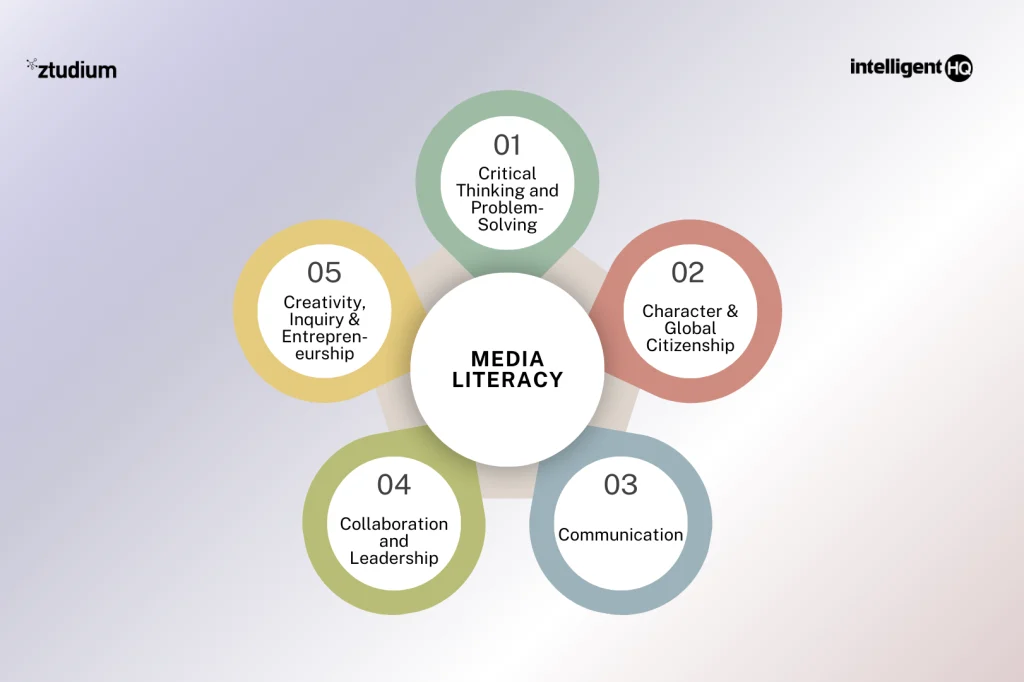
Media literacy encompasses several key abilities:
- Decoding media messages and understanding the systems in which they exist
- Assessing the influence of those messages on our thoughts, feelings, behaviours, and society
- Creating media responsibly and thoughtfully to communicate effectively
In our digital age, where anyone with a smartphone can create content, media literacy has become as fundamental as traditional reading and writing.
Why has media literacy become such a big deal?
The sheer volume and speed of information in today’s digital age is staggering. Every minute on the internet, thousands of posts go live, videos are watched by millions, and news breaks 24/7. Our smartphones constantly ping, delivering a non-stop stream of stories, opinions, adverts, and facts or sometimes lies and misinformation.
This environment, rich yet overwhelming, demands that we don’t just passively consume content but engage with it thoughtfully.
The growing concern over fake news, misinformation, and disinformation has catapulted media literacy to the frontlines of efforts to safeguard democracy, public health, and societal harmony. From elections influenced by misleading political adverts to health crises exacerbated by false information about vaccines, the consequences can be profound.
According to a UNESCO/IPSOS survey cited in the WEF report, in 16 countries scheduled for elections in 2024, 87% of citizens believed that online disinformation was already significantly impacting their political life.
Meanwhile, the World Economic Forum’s Global Risks Report 2025 identified disinformation and misinformation as the top risks over the next two years, highlighting widespread concerns about their effects on democracy and societal stability.
The many layers of media literacy
Media literacy isn’t a single skill but a blend of competencies that build on one another:
- Accessing Information: Knowing how and where to find credible, diverse sources.
- Critical Analysis: Evaluating the accuracy, bias, and intent behind a message.
- Understanding Media Production: Appreciating how media messages are constructed and for what purpose.
- Creating Content: Being able to produce and communicate responsibly in various formats.
- Ethical Use: Valuing respectful and responsible engagement, recognising the impact of what we share.
The role of media literacy in education
Schools have been at the forefront of media literacy initiatives, recognising that preparing young minds to tackle digital challenges is essential. But effective media literacy education goes beyond teaching pupils how to spot a dodgy website. It’s about fostering a culture of skeptical curiosity, encouraging students to engage with multiple perspectives, and helping them build resilience against emotional manipulation.
The WEF report highlights worrying shifts in news consumption habits, especially among younger audiences who increasingly turn to short-form video and influencers as primary news sources. A 2024 UNESCO study found that only 36.9% of digital content creators rely on mainstream news, while many correlate credibility with likes and views rather than verified sources.
Interactive approaches such as group discussions, role-playing, and fact-checking exercises not only make learning engaging but mirror real-life situations where young people might encounter misinformation. This equips them to make informed decisions rather than becoming passive consumers or inadvertent sharers of falsehoods.
The World Economic Forum’s report showed that even by 2020, humans confused AI-generated news with human-created news in 50% of cases.
The digital deluge: Why now?
By late 2023, the average daily screen time hit seven hours and three minutes for people in the United States. For children between 8-18, that number jumps to seven and a half hours daily just for entertainment! Our media consumption has fundamentally changed how we interact with the world.
Unlike previous generations who primarily consumed media through traditional gatekeepers (television networks, newspapers, radio stations), today’s media landscape is radically democratised. That 16-year-old on TikTok has the same potential reach as CNN, which means we all need to be more critical consumers
Media literacy’s role in democracy
Perhaps nowhere is media literacy more crucial than in preserving and strengthening democratic processes. With elections happening worldwide and disinformation campaigns running rampant, our ability to discern credible information directly impacts our societies.
During election cycles, media literacy helps citizens interpret the reliability of different sources, which fosters informed decision-making and encourages participation in democratic processes. Without these skills, we risk falling prey to misinformation, propaganda, and fake news—all of which can distort our understanding of important issues and undermine democratic institutions.
The partisan divide in recognising media literacy’s importance is particularly concerning. A recent survey found that while 81% of Democrats believe media literacy skills are important, only 66% of Republicans agree. This gap suggests that we’re not just facing an information crisis, but a cultural one as well.
Practical techniques for everyday media literacy
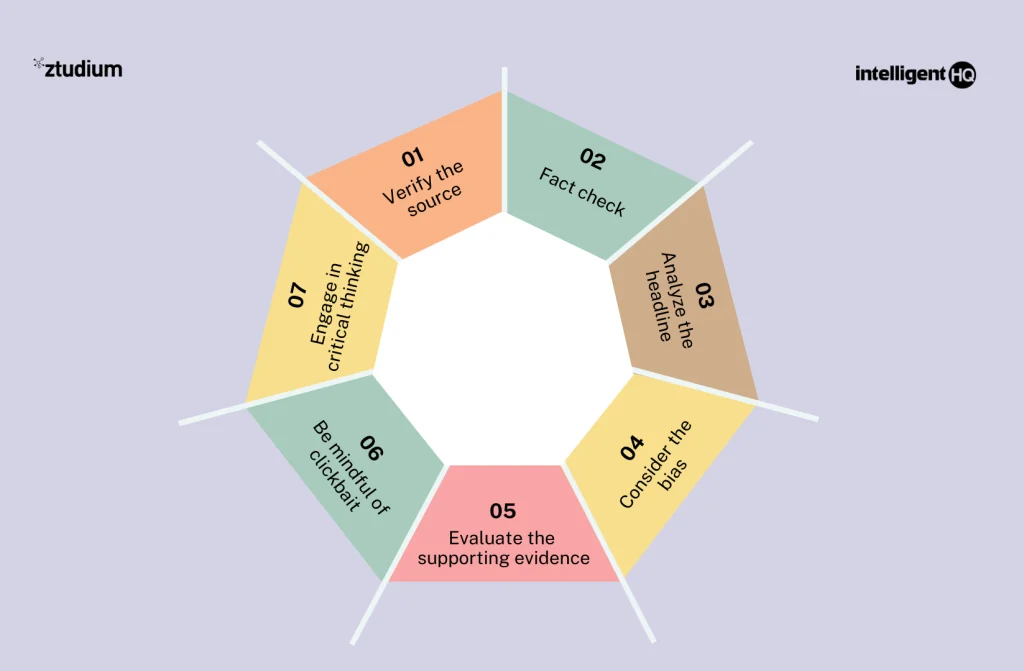
So, how do we actually practise media literacy in our daily lives? Here are some evidence-based techniques:
1. Employ lateral reading
Instead of staying on one website (vertical reading), open new tabs to verify information across multiple sources. This approach, known as lateral reading, helps you quickly assess the credibility of information by seeing how it’s reported elsewhere.
2. Ask critical questions
Develop the habit of questioning media messages:
- Who created this and why?
- Who is the target audience?
- What techniques are being used to make this believable?
- What information is missing?
- How does this message make me feel?
3. Verify before sharing
That outrageous headline that makes you want to immediately share it? That’s exactly the content you should double-check first 7. Take a moment to verify through fact-checking sites like PolitiFact, FactCheck.org, or Snopes before passing it along.
4. Understand media ownership
Follow the money. “Media ownership shapes the stories you hear,” notes Dr. Russell Ortega Milligan of Southern New Hampshire University. “By understanding the possible agendas behind a message, we become better equipped to evaluate its credibility”.
5. Check your emotions
Manipulative content often triggers strong emotional responses. If content makes you extremely angry, fearful, or euphoric, pause and reflect. Emotional arousal can override our critical thinking faculties, making us more vulnerable to manipulation.
Media literacy as a lifelong practice
Media literacy isn’t a destination, it’s a journey of continuous learning and adaptation. As our media landscape evolves with emerging technologies like artificial intelligence and virtual reality, our media literacy skills must likewise grow and develop.
The ultimate goal of media literacy isn’t to make us suspicious of all media, but to empower us to engage with media more thoughtfully and responsibly. It helps us move from passive consumption to active engagement from being mere recipients of media messages to critical interpreters and ethical creators.
In the words of the National Association for Media Literacy Education, media literacy “encourages individuals to understand their own biases and view media from multiple perspectives”. This deeper understanding helps us make sense of the world and our place in it, fostering empathy and cultural awareness essential for navigating complex societal issues.
As we continue to navigate the increasingly complex digital landscape, let’s remember that media literacy isn’t just about protecting ourselves from misinformation—it’s about claiming our agency as creators, consumers, and citizens. It’s about building a healthier information ecosystem, one thoughtful share at a time.
So the next time you scroll through your feed, watch a news segment, or receive a forwarded message, pause and ask those critical questions. Your attention is valuable, make sure you’re giving it to content that deserves it.