When it comes to managing wastewater in areas not connected to municipal sewage systems, a septic tank is a crucial solution. Among the available options, concrete septic tanks stand out due to their durability, capacity, and long-term performance.
This blog post explores what concrete septic tanks are, how they work, and the key benefits they offer to homeowners, builders, and rural property developers.
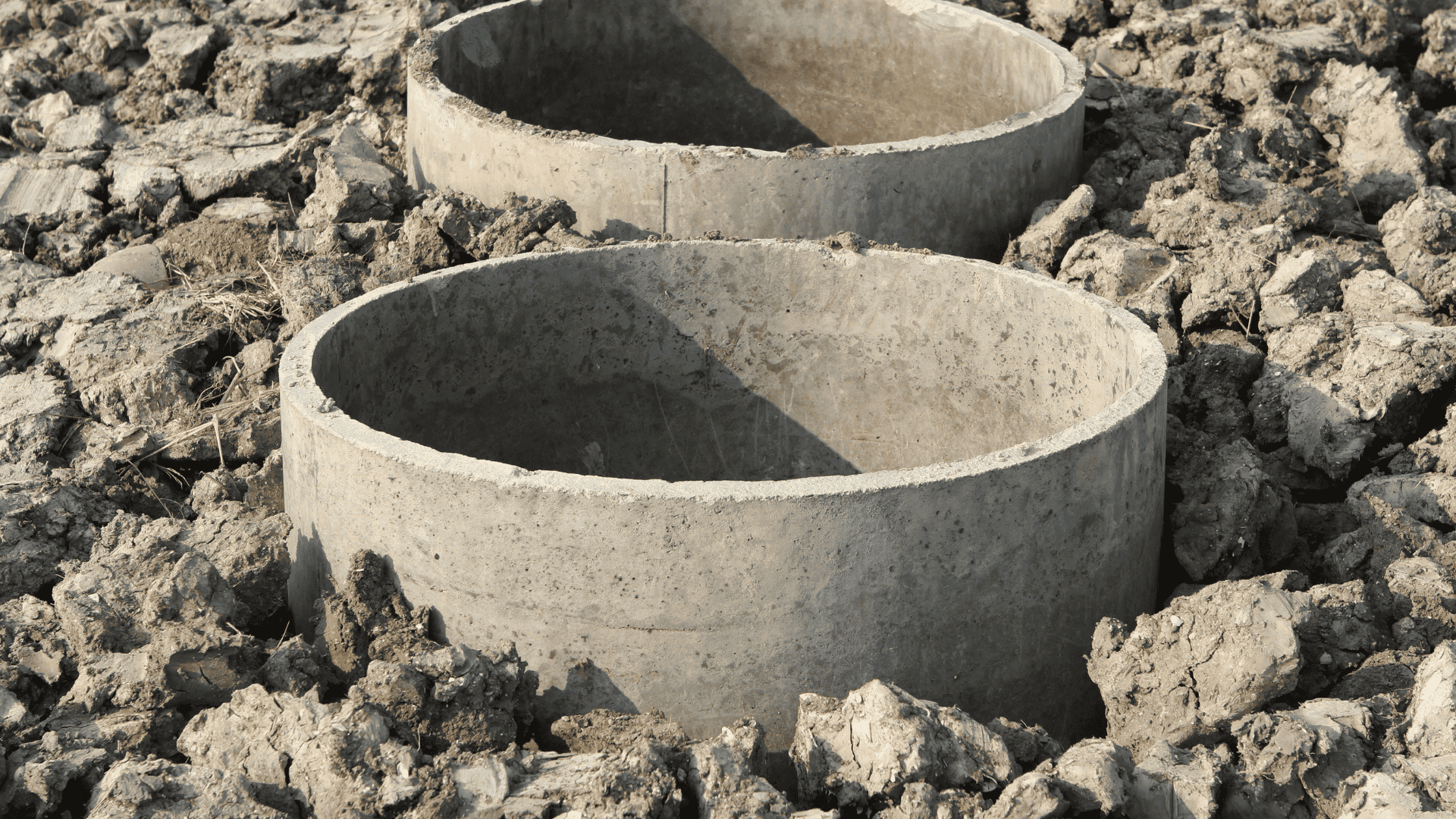
What Is a Concrete Septic Tank?
A concrete septic tank is an underground wastewater treatment structure typically used in rural or remote properties. Made from precast concrete, these tanks are designed to receive and hold sewage from homes or buildings, allowing solid waste to settle at the bottom while liquids move on to further treatment or absorption into the soil.
Concrete is a preferred material because it is non-corrosive, strong, and has a long lifespan. These tanks are usually designed in a single or double-chamber format and come in various sizes to accommodate different household or facility requirements.
How Do Concrete Septic Tanks Work?
The septic process begins when wastewater flows from a building into the septic tank. Inside the tank, the contents separate into three layers:
- Solids settle at the bottom to form sludge
- Oils and lighter materials float to the top to form scum
- The relatively clear liquid in the middle, called effluent, flows out into a drainage field
Concrete tanks are sealed to prevent leaks and built with internal baffles that slow the flow of water and encourage separation. Periodic pumping is required to remove the sludge and maintain optimal function.
Advantages of Using Concrete Septic Tanks
1. Long-Lasting Durability
Concrete septic tanks are known for their long lifespan, often exceeding 40 years with proper maintenance. The material can withstand environmental pressure, heavy soil loads, and surface activity, making it ideal for long-term installation.
2. Structural Strength
Due to their robust nature, concrete tanks are less likely to crack, shift, or collapse over time. This makes them suitable for installation in various soil types, including clay-heavy and sandy conditions.
3. Resistance to Environmental Damage
Unlike plastic or fiberglass alternatives, concrete is not vulnerable to damage from UV exposure, rodents, or shifting temperatures. This makes concrete tanks particularly suitable for Australian climates that experience extreme weather conditions.
4. Reduced Risk of Floating
In areas with high water tables, lightweight tanks like plastic models can float or shift. Concrete tanks are significantly heavier, which keeps them stable and properly anchored even when the surrounding ground is saturated.
5. Fire Resistance
Concrete is naturally fire-resistant, which adds a layer of protection for properties in bushfire-prone regions. This feature makes it a suitable choice for rural installations where fire risks may be higher.
Considerations Before Installation
While concrete septic tanks offer many benefits, there are several factors to keep in mind before choosing one:
- Installation Costs: Concrete tanks are heavier and may require machinery for delivery and placement, which can increase installation costs.
- Site Access: Properties with limited access or steep terrain might find it difficult to accommodate the transport of a heavy tank.
- Maintenance Needs: Like all septic systems, concrete tanks need regular inspection and scheduled pumping to avoid overflow or system failure.
Ideal Applications for Concrete Septic Tanks
Concrete septic tanks are commonly used in:
- Rural homes and farms without access to city sewage systems
- Remote accommodation sites such as cabins or lodges
- Small businesses or facilities in non-urban areas
- New developments where on-site wastewater management is necessary
Their reliability and durability make them a suitable option for long-term use where low maintenance and environmental resilience are priorities.
Maintenance Tips for Optimal Performance
To ensure your concrete septic tank functions effectively for years, consider the following tips:
- Pump regularly: Have your tank pumped every 3–5 years, depending on usage
- Inspect annually: Check for signs of leakage, cracks, or structural wear
- Use water wisely: Reducing water waste helps prevent overloading the system
- Avoid harsh chemicals: Use septic-safe cleaners and avoid pouring oil, paint, or medications down drains
- Keep records: Maintain a log of inspections, pump-outs, and repairs for future reference
Conclusion
Concrete septic tanks offer a robust and long-term solution for managing wastewater on properties without sewer access. With high strength, resistance to environmental damage, and minimal risk of floating or collapse, these tanks provide peace of mind to homeowners and developers alike. Whether you’re building a rural home or upgrading an existing septic system, concrete remains a trusted and reliable choice.