Motorcycle-related accidents are one of the most dangerous and life-altering events that can happen to an individual. Due to their lower stability, lightweight design, and lack of protective features like airbags and seat belts, riders and passengers rarely walk away unscathed. In the U.S, while motorcycles make up three percent of all registered vehicles, they are 70 to 80 percent of the leading causes of vehicular crashes. An average of over 81,000 motorcycle-related injuries have been recorded over the last decade, and the numbers keep increasing each day.
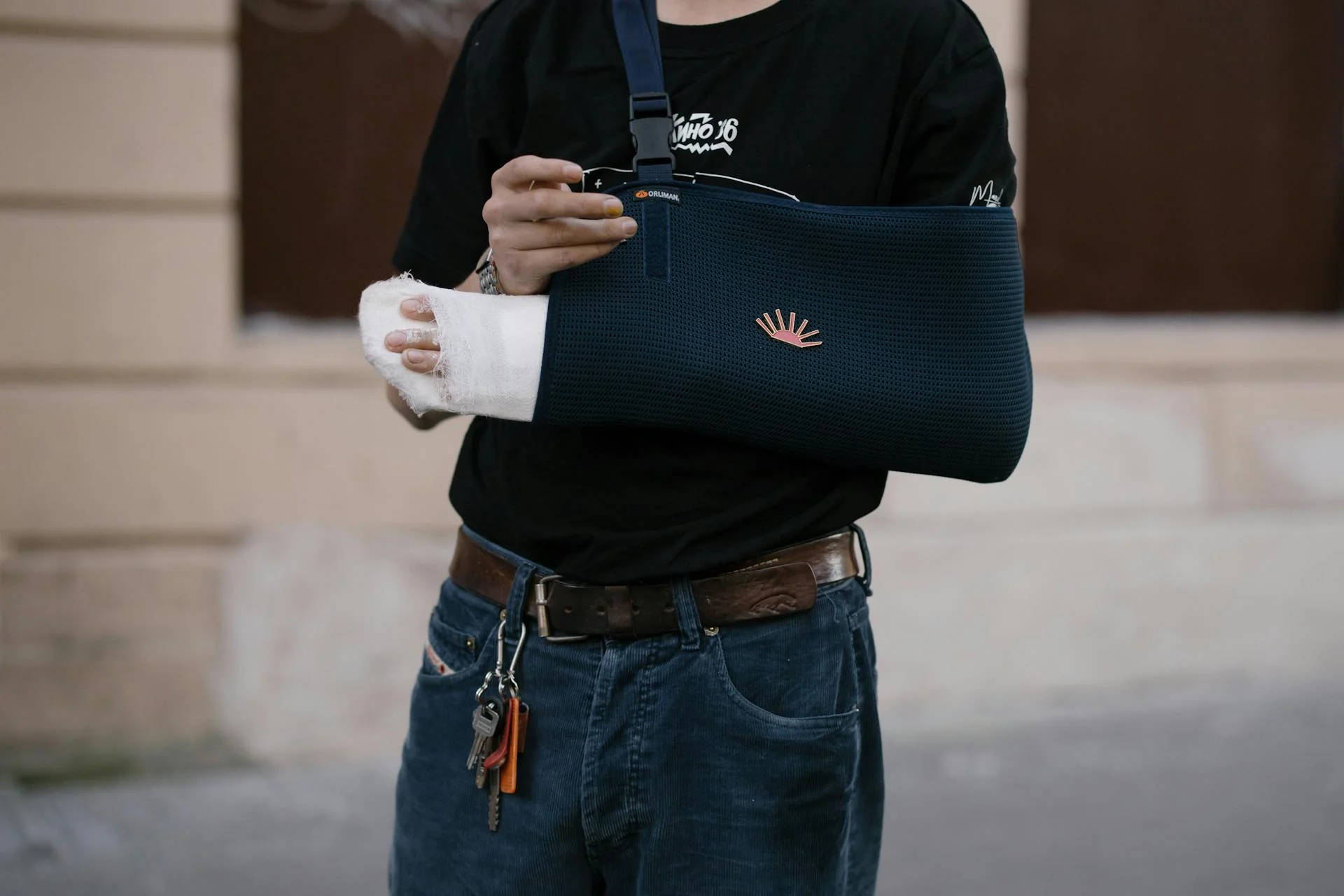
When a motorcycle accident occurs, several injuries can occur, and these injuries range from mild to severe to life-threatening. These injuries often depend on speed, point of impact, and whether protective gear was worn. In many cases, the aftermath of motorcycle accidents can lead to long-term physical, emotional, and financial challenges for those involved. Often, carrying this burden can be tough without the legal help of an attorney like Felix Gonzalez of Felix Gonzalez Accident and Injury Law Firm. Here are some of the most frequent injuries arising from motorcycle accidents:
Head and Neck Injuries
Head and neck injuries are the most common and potentially fatal outcomes of a motorcycle accident. When impact occurs, the head is often the first point of contact (body part) to hit the vehicle, roadside object, or pavement. The force of the crash violently jolts the head and neck, causing injuries that range from mild to severe. Motorcyclists must wear helmets, as they significantly reduce the risk and severity of head and, in some cases, neck trauma.
However, even with a helmet, serious injuries can still occur, especially during high-impact collisions. The most common head and neck injuries include concussions, head contusions (brain bruising), whiplash, and soft tissue damage. More severe cases may involve traumatic brain injuries (TBI), skull fractures, cognitive impairments, and cerebral edema, all of which can lead to long-term or permanent complications.
Road Rash
This is one of the most common yet underestimated types of motorcycle accidents. It occurs when the rider is thrown off the bike during the crash, causing them to slide across the pavement, resulting in scraped skin. Many do not take road rash injuries seriously because of it being just getting a few “cuts, scrapes, and bruises.” However, these skin abrasions can range from mild to severe, from superficial scrapes to deep wounds that expose muscle and bone, requiring skin grafts.
Fractures and Broken Bones
It is 90 percent inevitable for riders not to get fractures or broken bones during a motorcycle accident. When thrown off or hit, the arms, legs, wrists, and ankles are highly vulnerable. In many cases, the legs are often the first point of impact, making femur and tibia fractures more common. Fractures and broken bones heal, but they result in long-term mobility issues, chronic pain, or require surgical intervention with metal plates and screws.
Spinal Cord Injuries
Spinal cord injuries as a result of motorcycle accidents are more common than seems possible. Whenever a motorcycle accident occurs, the rider is forcefully thrown off the bike into the air and lands with extreme force on their back and neck. It is more common with high-speed and high-impact crashes where the rider has little time to react or brace. This catastrophic injury can range from slipped discs to partial or complete paralysis, depending on the level and severity of spinal damage.
Facial Injuries
What is a motorcycle injury without injuring your face? Sometimes, it is one of the signs that you have been involved in an accident, especially those who ride without full-face helmets. Common facial injuries resulting from motorcycle accidents include facial fractures, eye injuries, lacerations, and broken teeth. Some facial injuries may require reconstructive surgery and leave permanent scars or disfigurement.
Conclusion
It is important to note that no matter how mild, motorcycle accidents leave lasting psychological and emotional scars. While the risk of injury can never be eliminated, it can be significantly reduced, especially its impact on you, as the rider.