If you’ve been thinking about LASIK surgery for years but haven’t taken the plunge, you’re not alone. It’s easy to push it off – telling yourself you’ll “look into it later,” or “after this next trip,” or “once work settles down.” But when it comes to your vision, timing actually matters more than you might think.
The truth is, there is such a thing as the right time to get LASIK. And when all the factors line up, moving forward can be one of the best decisions you make. On the flip side, waiting too long can mean missing out on years of better vision and the benefits that come with it.
So how do you know when it’s time? Let’s break down a few of the most common signs and scenarios.
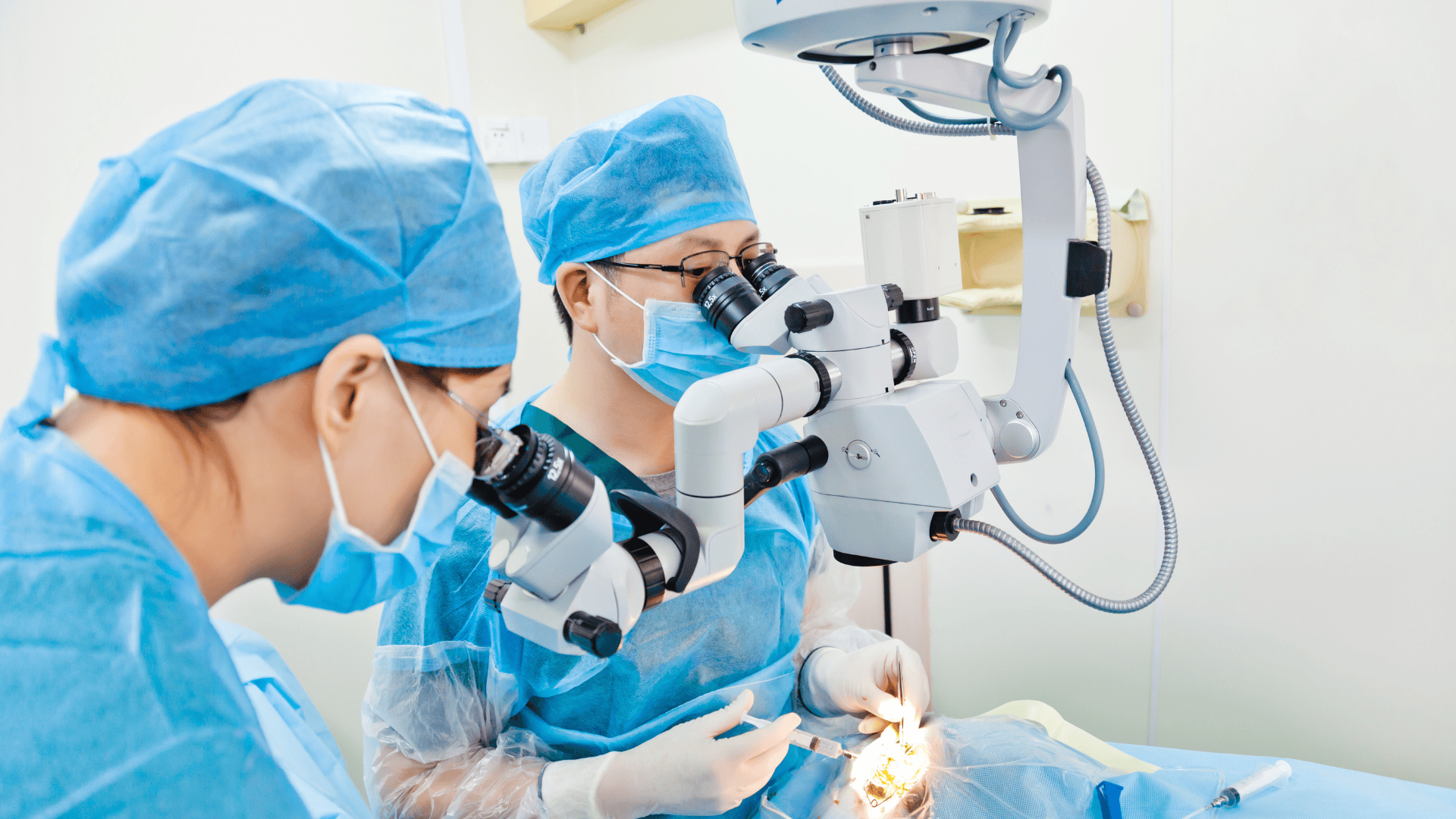
You’re in Your 20s or 30s – But Your Prescription Has Stabilized
Most LASIK specialists in Nashville recommend waiting until your eyes have “settled” before getting surgery. For most people, that happens sometime in their mid-20s. Your prescription needs to be stable for at least a year – meaning your eye doctor hasn’t had to make significant changes to your glasses or contact lens prescription.
This is important because LASIK physically reshapes your cornea based on your current vision needs. If your eyes are still changing, you could end up needing a second surgery down the road or slipping back into corrective lenses.
So if you’re in your mid-20s or older, and you’ve had the same prescription for the past 12 to 24 months, your eyes may be ready.
You’re Tired of Dealing With Glasses and Contacts
It may sound obvious, but one of the clearest signs that it’s time for LASIK is simply this: You’re done with the daily hassle of glasses or contacts.
Maybe your lenses fog up constantly. Maybe your eyes get dry halfway through the day. Or maybe you’re just tired of packing contact solution, backups, and prescriptions every time you travel. At some point, the inconvenience becomes more than just annoying – it starts limiting your lifestyle.
If you’re already thinking about LASIK multiple times a week (or every time your contacts bother you), that’s a good sign it’s worth pursuing now.
You Can Take a Few Days to Rest
One of the most practical timing considerations is recovery. While LASIK has a relatively fast healing period, you’ll still need to plan for a few days of downtime – especially the first 24 to 48 hours after the procedure.
So think about your schedule. Do you have a lighter work period coming up? A long weekend where you could take it easy and rest your eyes? Even something as simple as planning LASIK before a staycation – when you’re not juggling travel or major obligations – can make the experience smoother.
For some people, winter or early spring is ideal. It’s after the chaos of the holidays, but before the heavy travel and outdoor activities of summer. That’s not a hard rule – just something to keep in mind when choosing your window.
You’re in Good Overall Health
LASIK isn’t right for everyone. That’s why seeing a LASIK specialist matters. If you have certain autoimmune conditions, severe dry eye, or are pregnant or nursing, your doctor may recommend waiting. But if you’re generally healthy, not on medications that affect healing, and free from active eye issues like infections or inflammation, chances are high that you’re a strong candidate.
Being in good health also helps with the healing process. Your body is better able to recover quickly and consistently when it’s not already dealing with other stressors.
You’re Ready for Long-Term Savings
Most people think of LASIK as a cost. But when you zoom out, it’s actually an investment that can pay for itself in just a few years.
Think about how much you spend annually on glasses, contacts, solutions, appointments, and prescriptions. Multiply that by five, ten, or twenty years. Now compare that to the one-time cost of LASIK. For many people, the numbers speak for themselves.
The longer you wait, the longer you keep paying for temporary fixes. If you’re already financially prepared and your eyes are ready, delaying the procedure may end up costing you more in the long run.
You Want to Maximize Your Vision Years
You only get so many years of peak vision. Why spend them dealing with glasses or contacts if you don’t have to?
Getting LASIK in your late 20s, 30s, or even early 40s can mean decades of clear vision. You get to fully enjoy your life without distractions or limitations.
Yes, your eyes may eventually need reading glasses or other age-related adjustments as you get older. But wouldn’t you rather enjoy the best possible vision during the most active seasons of life?
You’re Ready to See a Specialist
No amount of internet research can replace a consultation with an experienced LASIK specialist. They’ll examine your eyes, assess your corneal thickness and pupil size, walk you through the risks and benefits, and help determine if now is the right time for you.
A professional can also give you a clear plan based on your lifestyle, goals, and medical history. That kind of personalized guidance is what sets you up for the best possible results.
And just as importantly, it gives you peace of mind. Because when it comes to something as important as your vision, you want to feel confident all the way around.
Stop Putting off LASIK
Want to know the truth? There’s never a perfect time. Life will always be full of work, family, travel, and unexpected responsibilities.
But your vision affects everything else. So if you’ve been thinking about LASIK for a while, consider this your sign to stop putting it off and start moving forward. You might find that right now is precisely the right time.