Cyber attacks and data breaches affect organizations across various sectors. A single breach can result in loss of sensitive information, financial implications, and reputational damage. Business leaders must recognize the urgency of investing in security measures to safeguard their operations.
Implementing strong network security can provide the necessary shield against those vulnerabilities. Dive deeper into the elements contributing to maintaining secure networks and explore various strategies businesses can adopt to protect themselves.
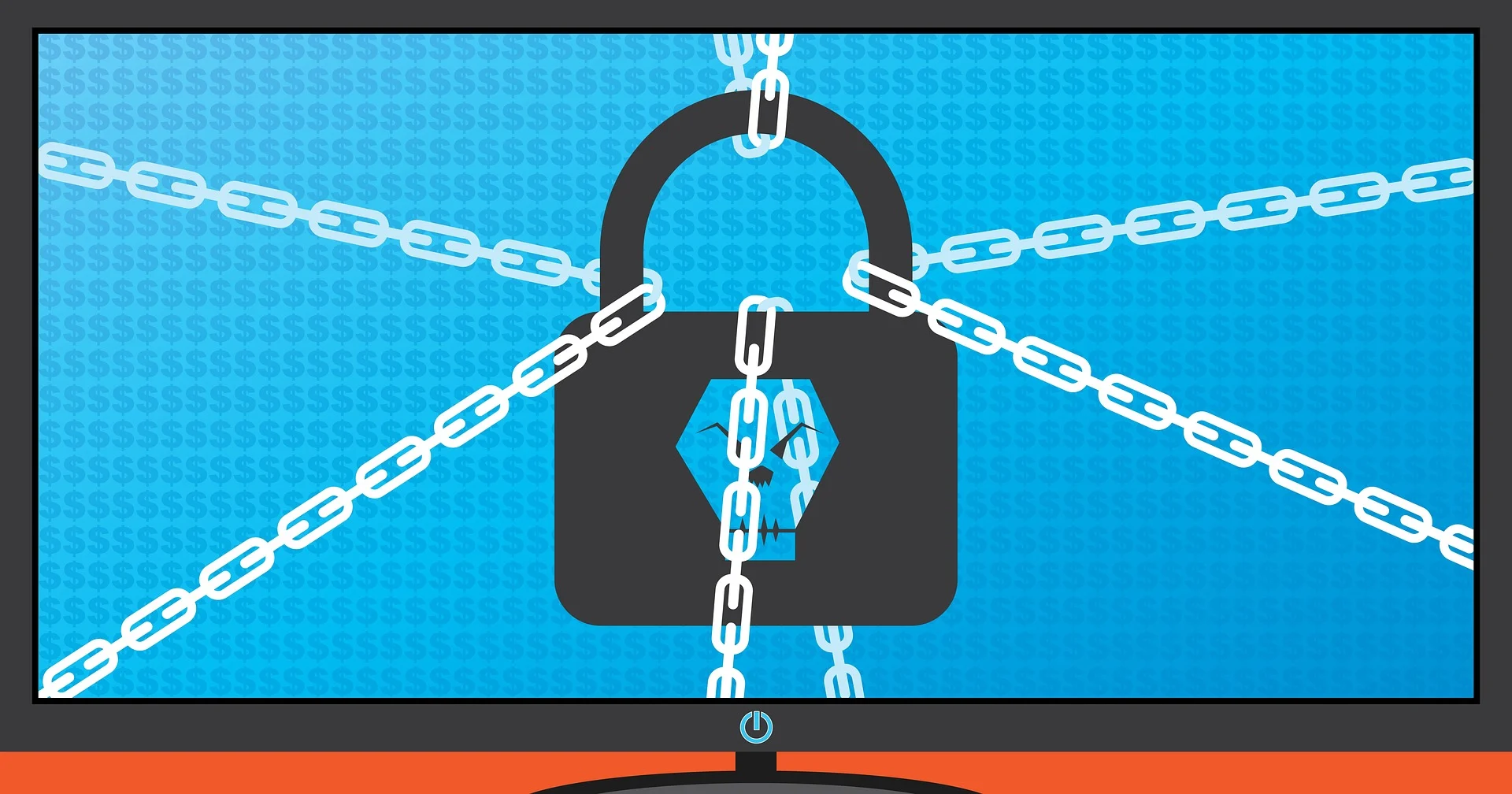
The Growing Threat of Cyber Attacks
Cyber threats are escalating in both sophistication and frequency, and businesses need to stay ahead. These attacks are not limited to large corporations; small and medium-sized businesses (SMBs) are targeted due to inadequate security defenses.
Cybercriminals exploit vulnerabilities in systems, networks, and applications, gaining unauthorized access to sensitive data. The reputational damage associated with data breaches can lead to the loss of customer trust and loyalty. Organizations must prioritize cybersecurity to mitigate potential risks effectively.
The Role of Managed SD-WAN Services
As businesses expand their digital reliance, managed SD-WAN services are needed to improve security and efficiency. Services like GTT simplify network management by automating traffic routing across multiple locations. Implementing such services helps organizations improve their security measures through encryption and secure access policies. Companies can segment their networks and minimize the risk of lateral movement by attackers.
Many SD-WAN solutions incorporate integrated security features to detect and respond to anomalies. This technology allows for centralized management of security protocols, making it easier to enforce compliance and security standards. Leveraging managed SD-WAN services can bolster network security.
Understand Data Breaches
A data breach refers to unauthorized access that compromises confidential information belonging to individuals or organizations. These breaches can occur through various means, including phishing attacks, malware, or even inside jobs from disgruntled employees. The consequences can be dire, resulting in identity theft, financial fraud, and even legal repercussions for the organization involved.
The aftermath of a data breach can drain resources as organizations scramble to contain the damage and notify affected individuals. Cyber attacks target small businesses and highlight the need for heightened security awareness. Businesses that recognize how breaches occur implement preventive measures proactively to achieve a comprehensive defense strategy. Every organization should understand the nature of these threats to safeguard its assets.
Implement Strong Network Security Measures
Developing a robust network security strategy consists of multiple layers of defense. Organizations should employ firewalls, intrusion detection systems, and antivirus software as foundational security measures. Regular software updates and patches can fix vulnerabilities that criminals exploit.
Businesses must emphasize employee training in security protocols and create a culture of cyber awareness. Companies should regularly conduct security audits and risk assessments to identify weaknesses in their security posture effectively. Doing so permits organizations to address areas of concern before cybercriminals can manipulate them. A comprehensive approach to network security can lower vulnerability to attacks.
Develop a Cybersecurity Culture
Creating a strong cybersecurity culture within the organization calls for lasting security. Employees should be educated about the importance of following security protocols and how their actions impact safety. Regular training sessions keep staff updated on the latest threats, like phishing scams and ransomware attacks. Organizations can promote awareness about common behavioral risks and encourage reporting of suspicious activity.
Implementing clear policies regarding acceptable usage of technology can minimize exposure to threats. Engaging employees in cybersecurity initiatives can create a shared responsibility toward protecting sensitive data. A strong cybersecurity culture empowers the workforce to become the first line of defense against potential breaches for every organization.
Future Trends in Network Security
The tactics employed by professionals will continue to grow with technology advancements. Artificial intelligence and machine learning offer new avenues for threat detection and response. Organizations will rely more and more on automated security solutions to counteract rapid attack evolution.
Regulatory frameworks regarding data protection and privacy will continue to tighten, making compliance a priority for businesses. Remote work remains prevalent, and securing remote access points is a must. Don’t forget about enforcing continuous education and adaptation. Organizations must maintain a forward-thinking approach to their security measures to remain resilient against future threats. Strategic planning and investment in advanced technologies must be a top priority.

Cyber attacks and data breaches necessitate proactive network security measures. Organizations require a multi-faceted approach, including strong security protocols, employee education, and collaboration with managed service providers.
The importance of promoting a cybersecurity culture cannot be emphasized enough; organizations must empower employees and adapt continuously to counter potential threats. An effective cybersecurity strategy is an ongoing journey that demands diligence and commitment.