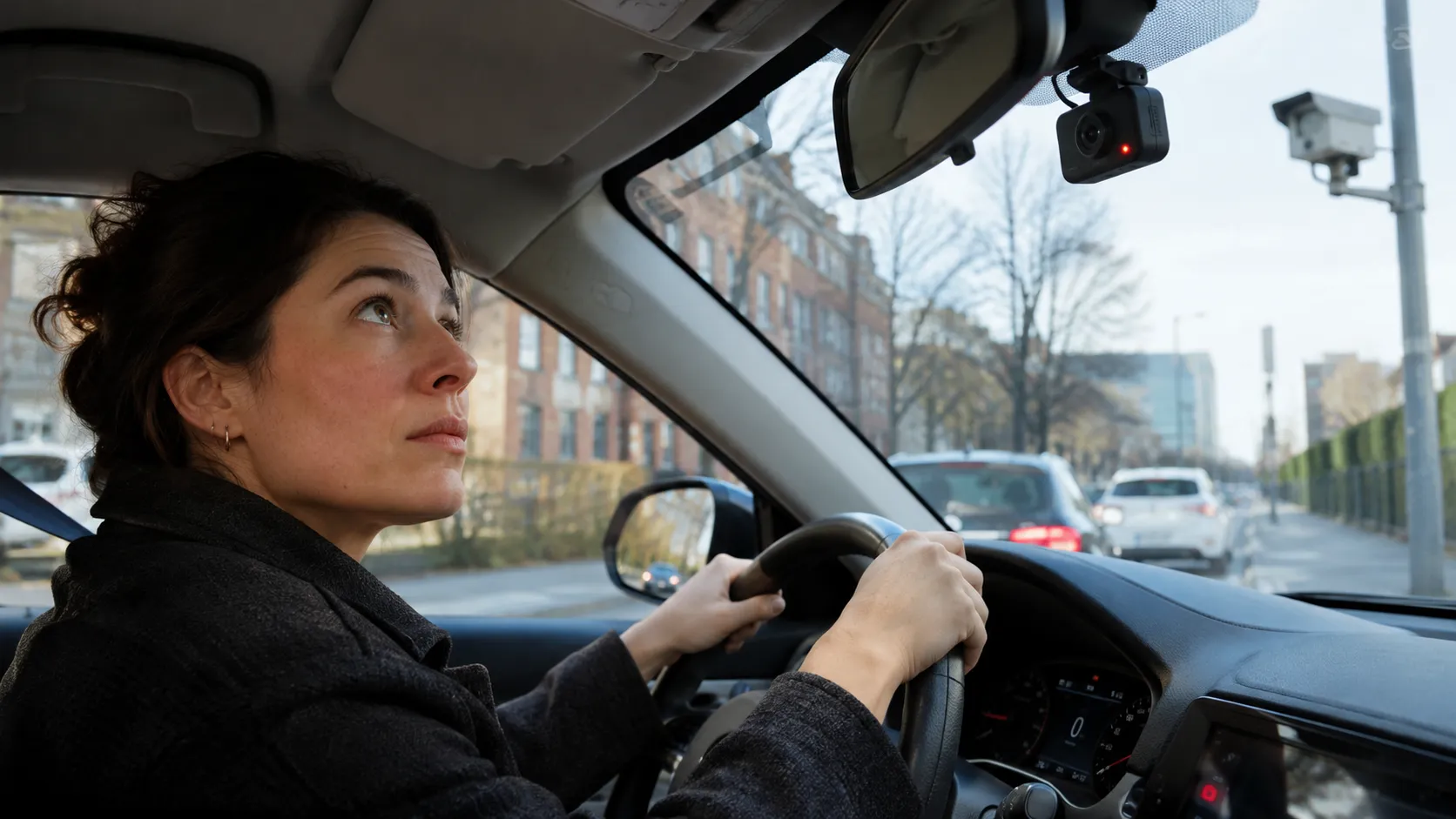
Watch what happens on a busy road when a cruiser pulls into view. Brake lights flash, speeds drop, and suddenly everyone is driving like a model student. Nothing about the road changed. The only difference is that drivers now feel like someone’s watching.
That reaction says a lot about human behavior. People tend to follow rules more carefully when they believe consequences are possible. Behind the wheel, that awareness can affect how fast drivers go, how closely they pay attention, and how they handle yellow lights.
Communities across the country have tried to harness that effect through automated enforcement, and Georgia is no exception. Red-light cameras and school zone speed cameras have sparked plenty of debate, including discussions about traffic cameras in Macon and whether they truly make roads safer.
The Psychology of Knowing Someone Is Watching
Psychologists have long studied how observation changes behavior. When people feel watched, they tend to act in ways that match social expectations. Even subtle cues, like an image of eyes on a sign, have been linked in some studies to more rule-following behavior.
On the road, that awareness often shows up as slower speeds and more careful attention. Drivers who know a camera or officer might be present are more likely to check their speedometer, put the phone down, and think twice before pushing through intersections.
The key ingredient is perceived consequence. People rarely change behavior simply because they’re seen. They change because being seen might lead to a ticket, a fine, or another penalty. The stronger that sense of certainty, the more likely drivers are to adjust their habits.
Why Cameras Can Change Driving Habits
Automated cameras make the possibility of a ticket feel constant. Unlike a police officer who can’t be everywhere, a camera watches the same intersection or school zone every day. Drivers who know a camera is there often slow down well before reaching it.
Over time, those adjustments can become habits. Regular local commuters may start approaching certain intersections more cautiously or easing off the gas in school zones automatically. Supporters of camera programs argue that this kind of consistent behavior change is the whole point.
Cameras can also trigger less helpful reactions. Some drivers slam on the brakes when they spot a camera or see a light turn yellow, even when stopping safely isn’t realistic. That sudden braking can surprise the driver behind them, creating a different kind of risk.
Can Cameras Actually Make Roads Safer?
Research on red-light cameras has produced some encouraging findings over time. A Federal Highway Administration study found that right-angle crashes, often called T-bone collisions, dropped by about 25 percent at intersections with cameras. Those side-impact crashes tend to be among the most dangerous.
The same study found that rear-end crashes rose by roughly 15 percent, likely because drivers braked more abruptly. Rear-end collisions are usually less severe than T-bone crashes, but they can still cause real injuries, property damage, and plenty of frustration for everyone involved.
Research from the Insurance Institute for Highway Safety has also linked red-light cameras to fewer fatal red-light-running crashes in large cities. Still, results vary by location, intersection design, and how programs are run. Cameras appear to help in some places much more than others.
The Debate Between Safety, Privacy, and Enforcement
Georgia law allows local governments to use red-light cameras, with violations treated as civil penalties of up to $70 rather than moving violations that add points to a license. State law also separately authorizes speed cameras in school zones during certain set hours.
Locally, Macon-Bibb County began using automated school zone speed cameras in 2022. Citations are mailed to vehicle owners when drivers exceed the limit by more than 10 miles per hour, with fines of $100 for a first offense and $150 for later ones.
Critics question whether these programs prioritize revenue over safety, especially since camera vendors can receive a share of school zone ticket revenue. Others raise privacy and fairness concerns about mailed tickets. Georgia lawmakers have debated limiting school zone cameras, so rules may keep evolving.
Conclusion
Simply knowing that someone might be watching changes how people drive. Speeds drop, attention sharpens, and risky decisions suddenly become a lot less tempting. That basic piece of human psychology is the foundation for every single traffic camera program in Georgia and beyond.
Research suggests that cameras can reduce some of the most dangerous intersection crashes, though they may increase rear-end collisions in the process. Local programs like the school zone cameras in Macon-Bibb County continue to raise real questions about fairness, revenue, and personal privacy.
Ultimately, cameras are just one tool among many. Their real value depends on thoughtful placement, transparent enforcement, sensible road design, and clear evidence that they make streets safer. The goal should always be fewer crashes and safer communities, not simply more tickets mailed out.