A cold open is an introduction that starts an episode prior to the opening title sequence and/or the introductory credits. Uses mystery, suspense, surprising character actions, or surprising events to grab attention. For creators of web series, those opening moments set the tone for the episode to be emotional and to keep viewers engaged. Dreamina AI is an AI-driven solution that converts written ideas for scenes into video drafts for movies. The video generation capabilities enable visual experimentation, character moments, storytelling through atmosphere, and early-stage PV. Rather than thinking of each shot, creators are able to anticipate potential opportunities prior to shooting. Knowing the techniques to create a narrative hook, cinematic prompts, shot progression, and continuity will transform the initial idea into an engaging episodic introduction.
Understand What Makes a Cold Open Work
A good cold open evokes curiosity without giving too much away. The capabilities of Dreamina text to video are used to bring these dramatic concepts to life via prompts that describe the characters, actions, scenes, and movements. A good start to a story will include some strange behaviour, an out-of-place object, or an out-of-place sound that indicates something important. Actions can give character and personality, and also motivation to the character or a hidden conflict, making the character introduction more interesting. Censored information allows the viewer to understand the events enough to follow along, but keeps the main question intact. Movement, lighting, silence, and framing create tension in the atmosphere. The momentum of the narrative grows when an event shocks expectations and has significant consequences. This can be a natural segue into the episode with a final reveal or unresolved moment. But impressive visuals don’t make up for a clear dramatic purpose.
Explore Different Cold-Open Structures for Episodic Storytelling
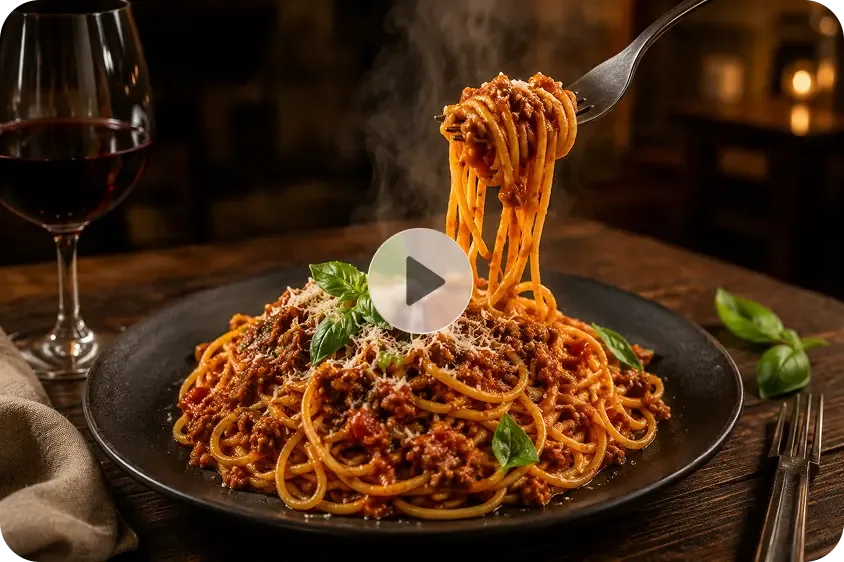
The various opening constructions generate different questions in the viewers. A mystery-object opening reveals something new – maybe a blood-stained photo in an abandoned office. An unexpected-arrival opening is when someone is seen to move into a restricted area (usually with no justification). A flashback opening briefly shows a future crisis and then jumps back to the main timeline. An Everyday-Disruption opening is an opening that takes a normal routine and throws in an inexplicable event. Silent suspense is achieved through environmental details, limited camera movement, and unsettling changes in the visuals. Comic reversals create a seemingly impossible situation, then provide information that alters the situation. These can be visualised differently with Dreamina AI with various prompts, lighting options, and compositions. These should be given suitable pacing, clear audience questioning, and a purposeful conclusion for each structure.
Steps to Write Cold Opens for Web Series in Seconds With Text-to-Video AI
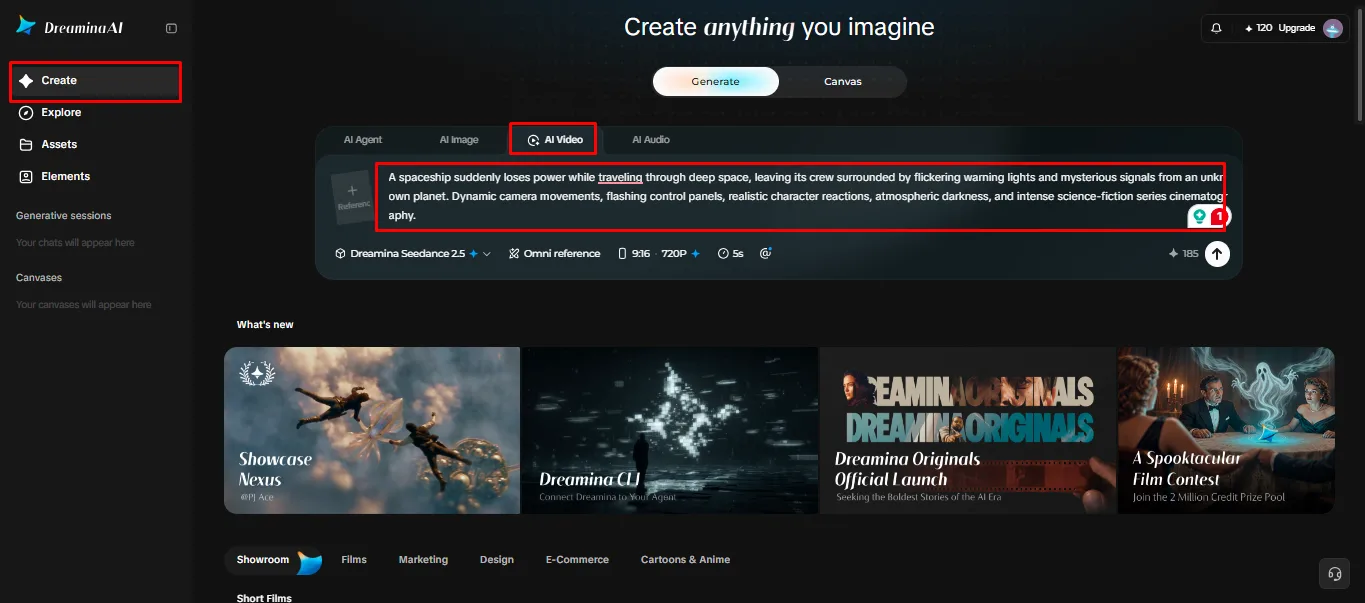
Step 1: Log in and draft your cold open prompt
- First, sign up or log in to Dreamina so you can start shaping your series opener.
- Next, select the “Create” tab in the left menu and click the “AI video” option.
- Later, write a detailed prompt describing the scene, the characters, the sound, the background, the theme, and the concept.
Step 2: Pick a model and tune the look
- Next, find the model options at the bottom of the dialogue box and choose one for your opener.
- Available choices include Dreamina Seedance 2.5, Dreamina Seedance 2.0, Dreamina Seedance 2.0 Fast, Dreamina Seedance 2.0 Mini, Dreamina Seedance 1.0, and more.
- Click “Omni reference” to guide the AI with multiple reference images of your characters and sets.
- Set a custom frame shape and quality through the “Aspect ratio” and “Resolution” tabs.
- Finally, click the “Generate” tab to start producing your cold open.
Step 3: Refine the opener and export the file
- If the hook falls flat, try “Edit prompt” or “Regenerate” to strengthen the result.
- You can also fine-tune the clip with the “Edit video” option.
- Moreover, “Edit segment” lets you rework a single beat without changing the whole scene.
- Select “Extend video” to stretch the opener, or apply “Creative upscale” to improve the image quality.
- Dreamina gives you complete freedom to craft your series opener the way you like.
- Finally, click the “Download” tab at the top right to save the file on your device.
Write Cinematic Prompts That Capture a Story’s First Mystery
A useful prompt is a visual instruction that is a translation of the dramatic intention. Begin with the situation and the unanswered question; explain one thing that the character does that shows how they are motivated or concerned. Include significant environmental detail (wetting up, reflections on wet pavement, flickering lights, etc.). Describe in what language the camera is used (e.g., wide establishing shot, slow push-in shot, tracking shot, reveal close-up). Lighting and colour should support the genre without taking over from the story. For instance, “Suspenseful opening in a nearly empty train station at night; a traveler found a sealed envelope under a blinking departure board; people in the distance, slowly moving towards the camera, cool cinematic lighting and movement, stop before the guy opens the envelope. This is a visual prompt, NOT a complete episode. Further shooting, dialogue, and/or sound design might be required.
Shape the Opening Through Shot Progression and Visual Clues
The opening is not a series of unrelated cinematic images, but rather a visual progression that draws the audience into the compelling opening. Start with a broad/establish shot showing the location, then add a detail with a change of value. Move closer to the central mystery character/object. Reaction shot/environmental change to indicate danger but not its cause. Slowly give the viewers information, leading up to a final visual beat. The shots can be one by one and experimented with Dreamina AI, but an editor might need to piece them together to form a coherent sequence. Script-to-video workflows can also be used for projects involving more structured, connected scenes. The title sequence or subsequent scene should seem like a logical sequence.
Preserve Narrative Continuity and Refine the Creative Draft
If multiple clips are generated for a single episode, then consistency is important. Use the same character description, clothing, environment, and visual style for similar prompts. Recognizable characters and locations can be supported using reference images. Check for changes, inconsistencies, confusing movement, or spatial errors in each generation. Use specific dialogue, subtitles, sound effects, music, and title cards during editing when necessary. Make sure the completed opening reflects the show’s genre, the show’s audience, and the pace of the show. Dreamina AI-generated clips are best suited to be previsualization materials or creative assets that need to be reviewed. If the project requires more than one separate scene, it may be advantageous to create a script-to-video process and use traditional video editing.
Conclusion
Dreamina AI can assist creators with brainstorming intriguing starts, unexpected character introductions, and captivating visual reveals prior to shooting. But good film technique can never make up for a poor question or for a question that is not clear, dramatically speaking. Set a clear premise, select one action that defines it, and brainstorm a visual draft. Work the framing, pacing, and final reveal – make sure it all contributes to the episode’s overall story. The cold open has to have an element of mystery to it, for if it is a visual feast, viewers won’t care about what will happen next.