A surprising number of people still keep old electronics tucked away in drawers, closets, or storage boxes. A cracked tablet sits untouched beside outdated chargers while an older laptop remains buried under paperwork long after it stopped being used daily. Most devices are not kept for sentimental reasons. They simply become forgotten during the rush toward newer technology.
Modern consumer habits encourage constant upgrades. New devices appear faster than ever and people are often persuaded that older models are no longer useful. A should-I-upgrade-now kind of pressure follows nearly every product release. What receives less attention is the environmental cost tied to those habits.
Technology has become essential in everyday life, although the waste connected to it continues growing quietly in the background. Millions of devices are discarded every year and many still contain usable parts or valuable materials. Sustainable tech choices matter because convenience alone can no longer guide how electronics are handled. Could small decisions about old devices really affect larger environmental issues? More than many people realize.
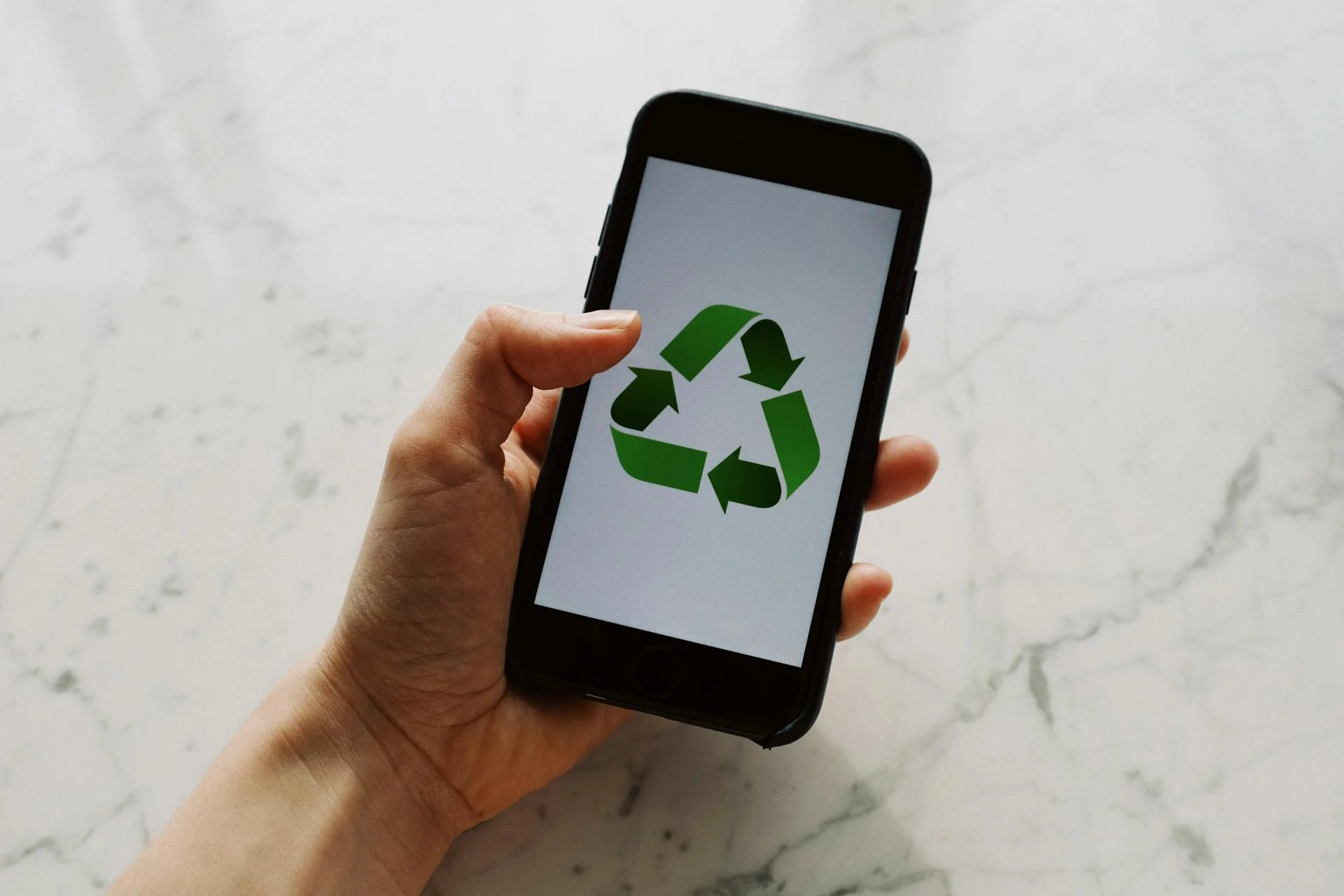
Old Electronics Are Not Automatically Useless
People often assume aging electronics have no purpose once newer versions become available, although many devices still hold practical value. Some can be repaired and reused, while others may be refurbished or responsibly recycled instead of being abandoned in storage spaces.
Laptops are a strong example because many continue functioning well long after owners stop using them regularly. MacBooks in particular are often kept for years because their resale value remains relatively strong compared to many other devices. Some consumers may choose to sell MacBook for cash through trade-in programs or electronics buyback services after realizing the device still has value instead of leaving it unused at home.
That shift in thinking matters because sustainability is not only about recycling. Extending the lifespan of electronics through resale or refurbishment helps reduce unnecessary waste and slows the demand for constant manufacturing. Fewer discarded devices means fewer materials entering landfills prematurely.
Convenience also influences behavior heavily. Many people avoid responsible disposal methods because the process feels confusing or time-consuming. Buyback services and certified recycling programs simplify the process while encouraging smarter consumer habits at the same time.
For example, a university student upgrading for design software needs may trade in an older laptop instead of storing it indefinitely. Another person replacing a damaged device may choose a certified electronics program because safe disposal feels easier than guessing what belongs in household trash. These decisions may seem minor individually, although their combined impact becomes much larger collectively.
Fast Upgrade Culture Creates Bigger Problems
Technology companies release products constantly and consumers are encouraged to replace devices more frequently than necessary. A newer camera feature or slightly faster processor often becomes enough to convince people their current device feels outdated. Functional electronics are replaced long before their actual lifespan ends.
That cycle creates environmental strain because producing electronics requires enormous amounts of energy and raw materials. Metals are mined and manufacturing facilities consume significant resources during production. Shipping and packaging add even more waste before devices even reach consumers.
Electronic waste creates another serious issue after products are discarded. Improper disposal methods allow harmful materials to enter landfills, where long-term environmental damage can develop slowly. Many consumers remain unaware of what actually happens once electronics are thrown away carelessly.
Financial pressure is also created through constant upgrading. People spend heavily on devices they may not truly need because marketing encourages urgency around staying current. Does every annual product release actually require immediate replacement? In most situations, probably not.
Consumer culture often connects newer technology with personal productivity or social status. Sustainable habits require more intentional thinking because convenience and advertising encourage the opposite response repeatedly. Slower consumption habits may feel unfamiliar initially – although they often create practical financial and environmental benefits.
Small Tech Habits Matter More Than Expected
Sustainability is sometimes treated like a large global issue controlled entirely by corporations or governments. But individual habits contribute significantly too. Everyday choices involving electronics shape waste levels and environmental impact more than people often realize.
Several habits can support more responsible technology use:
- Repairing devices before replacing them
- Recycling electronics through certified programs
- Donating functional devices instead of storing them unused
- Purchasing refurbished products when possible
- Maintaining electronics carefully to extend their lifespan
These habits reduce waste while encouraging smarter consumer behavior. Electronics contain reusable materials and valuable components that should not be discarded carelessly. Responsible recycling programs also help prevent harmful substances from affecting soil and water systems unnecessarily.
Technology And Environmental Responsibility Must Work Together
Technology improves communication, education, healthcare and entertainment in countless ways, although environmental responsibility must develop alongside those benefits. Innovation alone cannot solve environmental concerns if consumption habits remain careless.
Many companies have started responding to this pressure by introducing recycling programs, trade-in systems and refurbished product options. Consumers are also becoming more conscious of how electronics are produced, discarded and replaced. Environmental sustainability is no longer treated like a distant topic because its effects are becoming harder to ignore publicly.
Responsible ownership extends beyond purchasing decisions, too. Devices that are maintained properly often last much longer than expected. A laptop protected carefully and repaired when necessary creates far less waste than one discarded quickly because maintenance was ignored.
Education plays an important role in this shift. Consumers cannot make responsible choices if they do not understand what happens after electronics are discarded. Schools, workplaces and tech companies all influence how sustainability conversations develop publicly. Should environmental responsibility become part of everyday discussions about technology? It likely should.
Smarter Choices Shape The Future Of Technology
Technology will continue changing rapidly and consumers will continue upgrading devices as personal needs evolve. The larger issue involves how older electronics are handled once they are no longer being used regularly. Devices left forgotten in drawers or discarded carelessly contribute to environmental problems that continue growing worldwide.
Sustainable tech choices do not require rejecting modern technology completely. They involve approaching electronics more thoughtfully through repair, resale, recycling and longer-term use whenever possible. Small actions often create a meaningful impact when practiced consistently by millions of people.
Consumers are beginning to recognize that convenience and responsibility should work together rather than separately. Electronics remain necessary parts of modern life, although the way they are consumed matters greatly. A reused laptop or responsibly recycled phone may seem insignificant alone, although widespread habits shape environmental outcomes far more than many people expect.