Your favorite financial apps could be one ignored update away from a security breach, and most users don’t even realize it. While it’s tempting to assume your device is safe as long as you have a password, this article broadens your knowledge on the significance of security updates. This will include OS patches, app updates, two-factor authentication, and other best security practices to safeguard users and their finances.
The Growing Threat Factor for Financial Apps
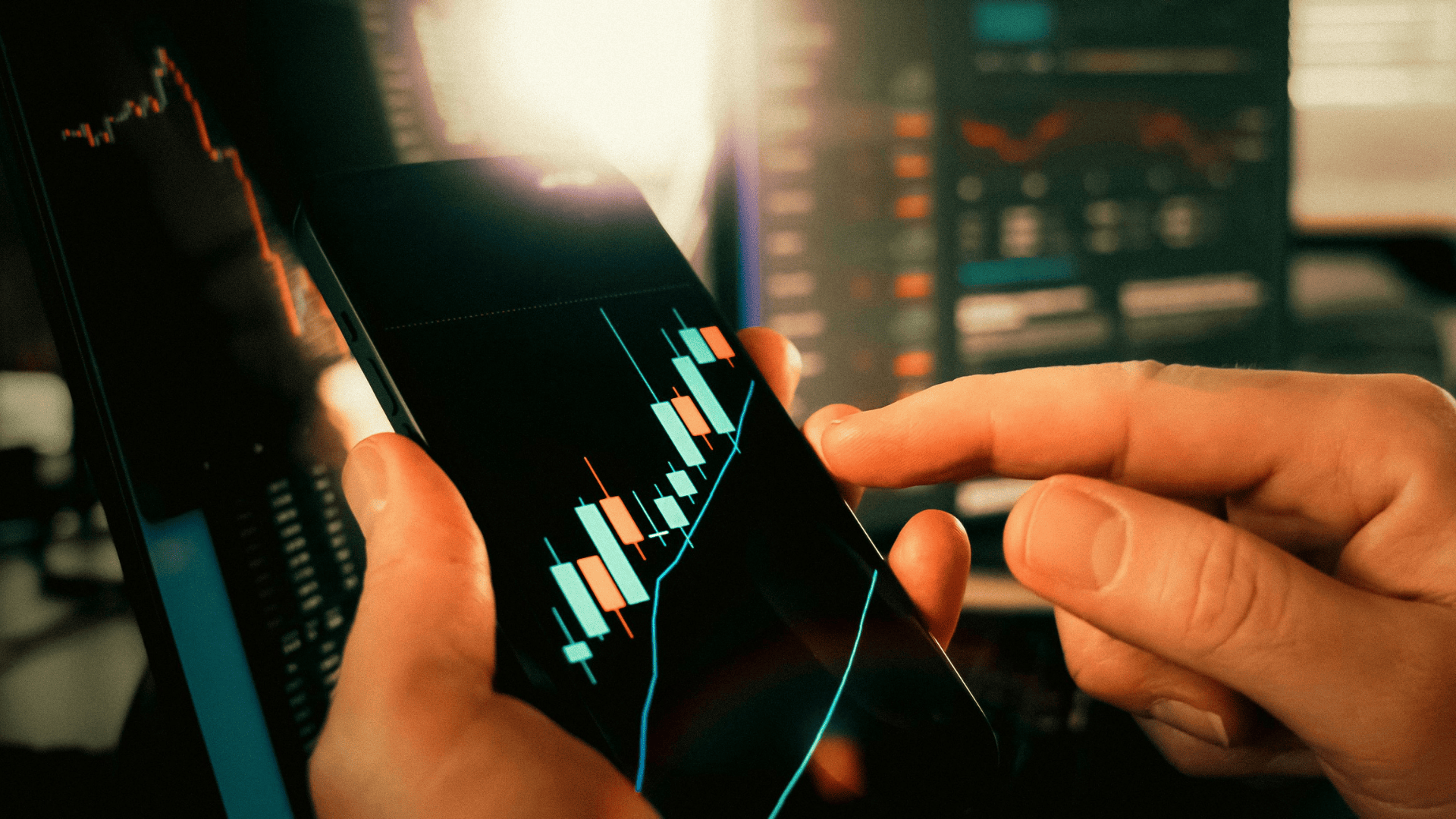
Mobile access to banks, digital wallets, cryptocurrency platforms, and forex trading apps has revolutionized the way we manage our financial assets and make informed decisions. With most features accessible with a single tap on your phone including charting and market-tracking tools many traders rely on, such as TradingView the convenience is obvious, but the risks involved can sometimes be invisible.
Financial apps are prime targets for hackers and cybercriminals because they offer direct access to funds and sensitive data. Compared to a social media hack, where the most likely damage is reputational, losing your financial app to hackers can result in unauthorized transfers and immediate monetary loss.
Some of the common ways hackers get in are:
- Phishing: This involves hackers mimicking legitimate banking or forex trading apps to send messages to users, and tricking them into providing their login credentials. This is more of a social engineering tactic than a device vulnerability issue.
- Session Hijacking: This type of attack targets explicitly outdated or unsecured devices, allowing hackers to take over an active session and gain access to your apps without requiring login credentials.
- Man-in-the-Middle Attacks: This is a type of security breach in which the attacker places themselves in the middle of the user and the financial app server, monitoring and altering actions on the app. This is a typical security vulnerability on insecure Wi-Fi hotspots.
Cybercriminals continue to evolve daily, finding new vulnerabilities to exploit; therefore, regular security updates are the frontline defense against these attacks.
Operating System Patches: Your First Layer of Defense
Updating your iPhone to the latest iOS or your Android to the latest version does more than provide recent interface changes. Moreover, these manufacturers continue to provide OS updates nearly every month to address emerging vulnerabilities.
Knowing this, there are multiple scenarios in which your device may be running an outdated OS version with security vulnerabilities that have been addressed in a subsequent update. For forex and other financial apps, some specific risks in this scenario include:
- Keyloggers that can capture user credentials as they type in the app
- Screen overlay attacks display a fake interface that steals input as the user interacts with the app.
- Unauthorized biometric access via compromised system frameworks of outdated operating system versions.
For OS vulnerabilities, most applications enforce ‘minimum supported OS versions,’ blocking access from devices with known-vulnerable OS versions.
App-Level Security Updates
App-level security updates serve as the next layer of defence for users, safeguarding the financial activities running on the app. Updates on applications are often much quieter, but they serve similar purposes as OS updates. These updates usually include:
- Encryption upgrades that further enhance information security on the platform, preventing data interception in transit.
- Secure API improvements to improve security on backend connections between the app, financial servers, and potentially other third-party services.
- Fraud detection enhancements that improve the algorithm’s ability to identify suspicious activities on the app better.
- Authentication is being tightened to implement better password handling, two-factor authentication, biometric checks, and session management.
Except for when these app updates address a UI issue, many of these changes are invisible to the user. It’s best practice to turn on auto updates to receive every critical patch as it’s released. However, most apps often have a minimum version, especially for critical security updates, disallowing users from accessing the app until they update it.
Two-Factor Authentication as an Extra Critical Layer for Financial Apps
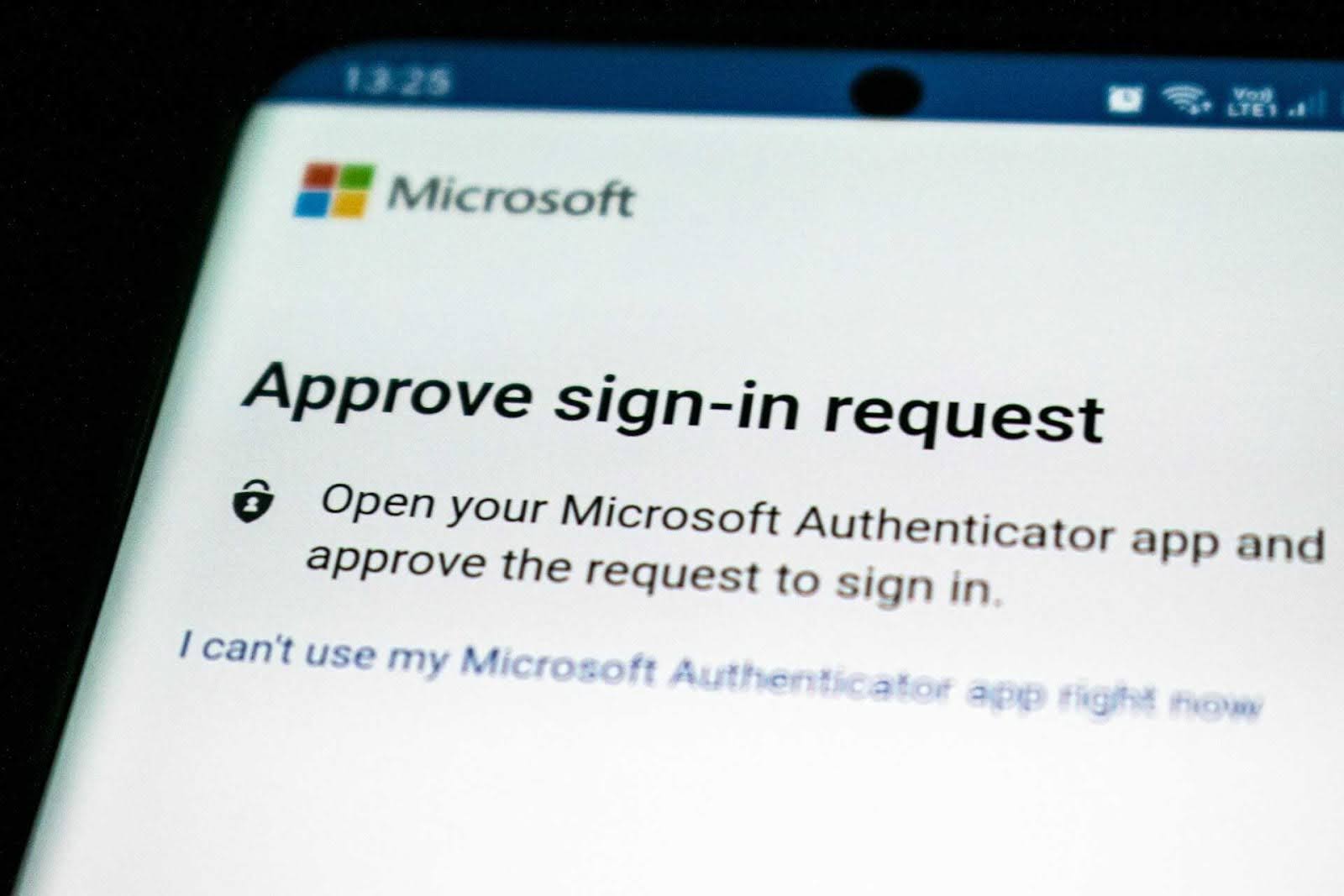
Two-factor authentication (2FA) provides an extra layer of security that could be crucial for sensitive information, such as with financial apps. Reports from cybersecurity experts indicate that platforms with enforced two-factor authentication (2FA) experienced 60% fewer account takeovers in 2023.
Cybercriminals are more than incentivised to try all available means to break into your account, and a single point of protection is not enough. Passwords can be guessed, stolen, or even brute–forced. Two-factor authentication typically requires something that only the user can access, in most cases.
Common 2FA types are SMS OTP, authenticator apps, email codes, and biometrics. Experts recommend app-based authenticators as the strongest method to safeguard accounts and funds. Moreso, financial apps should consider it imperative to guide users on setting up 2FA and explain why skipping it might be risky.
Securing Financial Data
Financial apps store user data that is constantly transmitted between servers and devices. As such, it’s crucial to ensure that data in transit remains secure and tamper-proof, even when dealing with insecure servers.
It’s the right of users to have solid technical protections against the usual suspects. Moreover, fintech platforms also have institutional responsibilities, enforced by regulatory frameworks (such as PSD2, SOC2, and GDPR), to maintain secure operations and provide regular updates.
Continuous monitoring and proactive patching are practices that help build a security culture that benefits both the platform and users. Users can reap the benefits of improved security and reduced fraud risk, while financial apps enjoy growing user trust and higher app store ratings.
Security Is a Shared Responsibility
Users must also adopt practices that further secure credentials and safeguard funds. In addition to immediately updating the OS and apps, users should also download apps from official app stores, exercise caution when using public Wi-Fi, and avoid using jailbroken/rooted devices. These simple security practices go a long way toward creating a safe online ecosystem where users can move data and finances without risking loss to hacks and other cybersecurity threats.

Shikha Negi is a Content Writer at ztudium with expertise in writing and proofreading content. Having created more than 500 articles encompassing a diverse range of educational topics, from breaking news to in-depth analysis and long-form content, Shikha has a deep understanding of emerging trends in business, technology (including AI, blockchain, and the metaverse), and societal shifts, As the author at Sarvgyan News, Shikha has demonstrated expertise in crafting engaging and informative content tailored for various audiences, including students, educators, and professionals.