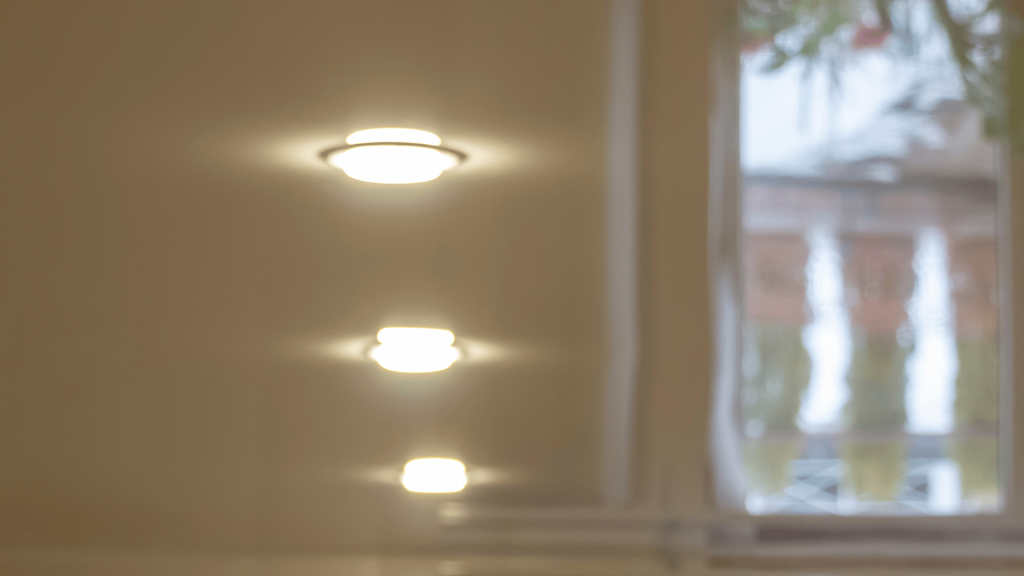
In recent years, interior design has become inseparable from the conversation about energy efficiency. Homeowners, developers, and commercial property managers are increasingly mindful of how their choices affect both operating costs and environmental impact. Energy-conscious design is no longer a niche preference; it has evolved into a mainstream requirement that shapes purchasing decisions. Lighting, as one of the most influential elements in energy consumption, has emerged as a central focus of this shift.
LED recessed lights have gained prominence as a result of these concerns. They deliver powerful illumination while consuming a fraction of the electricity used by traditional incandescent or halogen fixtures. In homes and workplaces where lights remain on for extended periods, the cumulative savings are significant. This efficiency not only benefits the homeowner’s utility bills but also contributes to broader goals of reducing energy demand and greenhouse gas emissions.
Beyond economics and sustainability, recessed lighting provides a seamless aesthetic that fits a wide range of interior styles. Designers value its clean lines and unobtrusive installation, which highlight architecture and furnishings without drawing attention to the fixtures themselves. In a time when form and function must work hand in hand, LED recessed lights are at the forefront of a design philosophy that is both stylish and responsible.
How LED Technology Outperforms Traditional Options
LED technology has transformed expectations about what lighting can deliver. Compared to conventional bulbs, LEDs convert a higher percentage of electricity into usable light, reducing wasted energy in the form of heat. This efficiency means a smaller carbon footprint without compromising brightness or performance. For interiors that require consistent illumination, LEDs are proving to be the gold standard.
Durability is another advantage. LED recessed lights can last up to 25,000 hours or more, far exceeding the lifespan of incandescent or fluorescent alternatives. The extended life cycle reduces the frequency of replacements, which translates into savings in both money and time. For businesses managing large facilities, the reduction in maintenance costs is particularly attractive.
The flexibility of LED technology also sets it apart. Today’s recessed fixtures can be dimmable, color-tunable, and compatible with smart-home systems. This adaptability allows property owners to tailor lighting to different moods, tasks, and schedules. Traditional lighting simply cannot compete with this range of customization, making LEDs an easy choice for anyone seeking versatility.
Cost Savings Over the Long Term
Upfront, LED recessed lighting may appear more expensive than older bulb types. However, a closer examination reveals that this is a long-term investment rather than a short-term cost. Lower electricity consumption translates into monthly savings that quickly accumulate, often offsetting the initial purchase price within a few years. Over the lifespan of the fixture, the cost advantage becomes even clearer.
Consider the cost of frequent bulb replacements with traditional lighting. Recessed fixtures are often installed in ceilings that are difficult to access, requiring ladders or even professional help to replace. With LED recessed lights, such replacements become rare occurrences. The time saved, combined with reduced purchase frequency, represents another dimension of financial benefit.
For those outfitting entire properties, from residential complexes to office buildings, the cumulative impact is considerable. Bulk installations can lead to thousands of dollars in energy savings annually, while reducing strain on electrical infrastructure. In a climate of rising utility rates, investing in LED recessed lighting is not only a design decision but also a hedge against future energy costs.
Integrating LED Recessed Lights into Modern Interiors
Modern interiors demand lighting solutions that blend seamlessly with architectural details while meeting practical needs. Recessed lighting, by design, eliminates clutter and allows ceilings to appear higher and more open. When paired with LED technology, the effect is both elegant and efficient, offering a balance that appeals to contemporary sensibilities.
Strategic placement is key to maximizing the benefits. Designers often use recessed lights to create zones of illumination, whether highlighting artwork, defining a seating area, or providing task lighting in kitchens and offices. With dimming options, spaces can transition from bright and functional to warm and inviting without additional fixtures. This adaptability aligns well with multipurpose living spaces that characterize modern homes.
Shoppers looking to invest in quality recessed lighting fixtures can find trusted options through retailers like Buy Rite Electric, an established destination for lighting and electrical supplies since 1986. It offers a broad range of solutions that include LED recessed lighting tailored for energy-efficient interiors. Access to reliable products ensures that design goals and efficiency standards are both met without compromise.
Environmental and Health Benefits
Beyond cost savings, LED recessed lights contribute positively to environmental goals. They consume less energy, thereby reducing reliance on fossil fuels used in electricity generation. This decrease in energy demand directly correlates with lower greenhouse gas emissions, making it an environmentally responsible choice for households and businesses alike.
Unlike compact fluorescents, LEDs contain no mercury or hazardous materials. This makes disposal less problematic and safer for landfills. In addition, LEDs produce less heat, which minimizes the burden on cooling systems during warmer months. A cooler environment translates into less strain on air conditioning units and further energy conservation.
From a health perspective, LEDs provide consistent illumination without the flicker often associated with older technologies. Flickering light can cause eye strain, headaches, or fatigue, particularly in environments where people spend long hours under artificial light. With LED recessed lighting, interiors can be both comfortable and safe for extended use.
Aesthetic Versatility in Design
One of the defining qualities of recessed lighting is its subtlety. Unlike chandeliers or pendant lights, recessed fixtures sit flush with the ceiling, allowing the focus to remain on furniture, artwork, and architectural features. This understated design element has gained favor in both minimalist and luxury interiors, where restraint often communicates sophistication.
LED recessed lights offer a wide spectrum of color temperatures, from warm hues that create cozy living rooms to crisp daylight tones ideal for offices or kitchens. This versatility allows designers to tailor lighting to the mood and function of each space. Combined with dimming capabilities, homeowners have control over the ambiance at any given moment.
The compact design of LED recessed fixtures makes them suitable for nearly any room. They are frequently installed in hallways, bathrooms, kitchens, and even outdoor soffits. This universality means that once homeowners experience the benefits in one room, they often extend the installation throughout the property.
The Future of Energy-Efficient Interiors
As the push for sustainable living intensifies, lighting technology will continue to evolve. Already, LEDs are being paired with advanced control systems that adjust brightness based on occupancy or daylight levels. This integration reduces waste and further refines energy efficiency, aligning with smart-home trends that dominate the housing market.
For commercial spaces, the potential is even greater. Large buildings can employ networked lighting systems that not only reduce energy consumption but also collect data on usage patterns. These insights help managers optimize energy distribution and maintenance schedules, driving additional savings.
The cultural emphasis on sustainability shows no sign of fading. Consumers are increasingly selective about the products they bring into their homes, and energy-efficient solutions are at the forefront of those choices. LED recessed lighting is poised to remain a cornerstone of this movement, representing both innovation and practicality in equal measure.
Making the Switch: Practical Considerations
Transitioning to LED recessed lighting requires thoughtful planning. Homeowners should evaluate their existing electrical infrastructure and ceiling layout to determine compatibility. In many cases, retrofitting is straightforward, but consulting with a professional ensures safety and maximizes results.
Budgeting is another factor. While the long-term savings are substantial, upfront costs can vary depending on the scale of the project and the quality of fixtures selected. Prioritizing high-traffic or high-use areas, such as kitchens and living rooms, can provide the greatest return on investment in the short term.
Finally, shoppers should research reputable retailers and manufacturers. Choosing quality fixtures reduces the risk of premature failures and ensures compatibility with dimming systems and smart-home devices. With careful planning, the transition to LED recessed lighting becomes an investment in both design and sustainability that pays dividends for years to come.

Founder Dinis Guarda
IntelligentHQ Your New Business Network.
IntelligentHQ is a Business network and an expert source for finance, capital markets and intelligence for thousands of global business professionals, startups, and companies.
We exist at the point of intersection between technology, social media, finance and innovation.
IntelligentHQ leverages innovation and scale of social digital technology, analytics, news, and distribution to create an unparalleled, full digital medium and social business networks spectrum.
IntelligentHQ is working hard, to become a trusted, and indispensable source of business news and analytics, within financial services and its associated supply chains and ecosystems