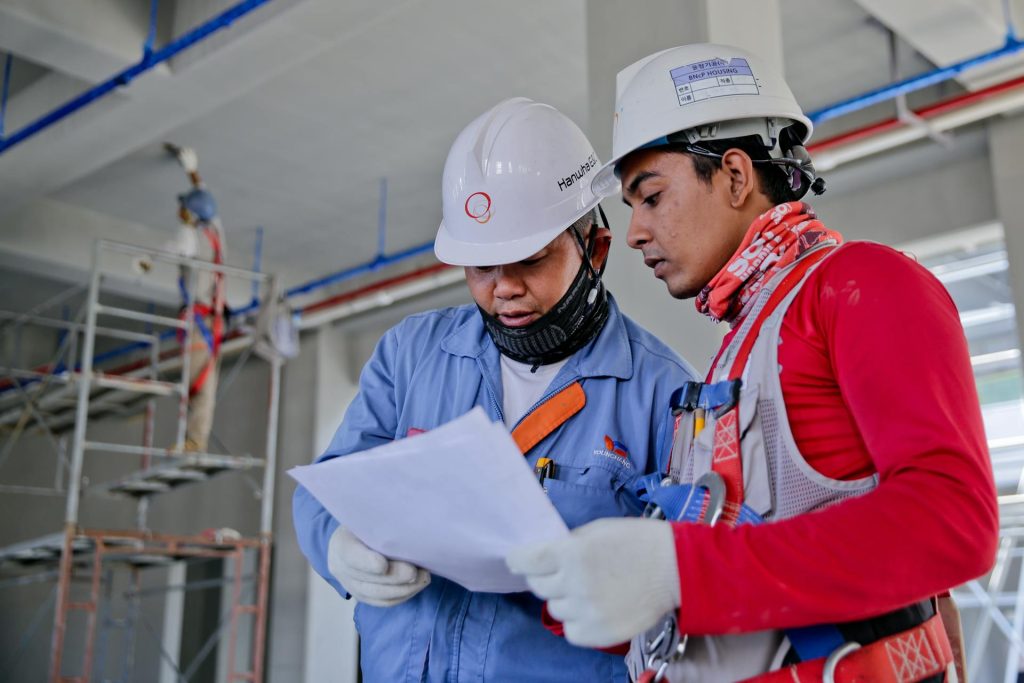
High-tech inspection methods are reshaping safety standards across industries that depend on dependable equipment and structurally sound materials. As systems grow more intricate, the need for tools that uncover hidden weaknesses becomes more pronounced. Traditional inspections often miss early indicators of fatigue, prompting a shift toward methods that reveal what lies beneath the surface. These advanced approaches supply clearer information, reduce uncertainty, and support decisions grounded in measurable evidence. With the ability to detect subtle changes before they escalate, industries gain more control over maintenance planning and safety outcomes. This growing reliance on data-supported evaluation marks a significant evolution in how risks are monitored and managed.
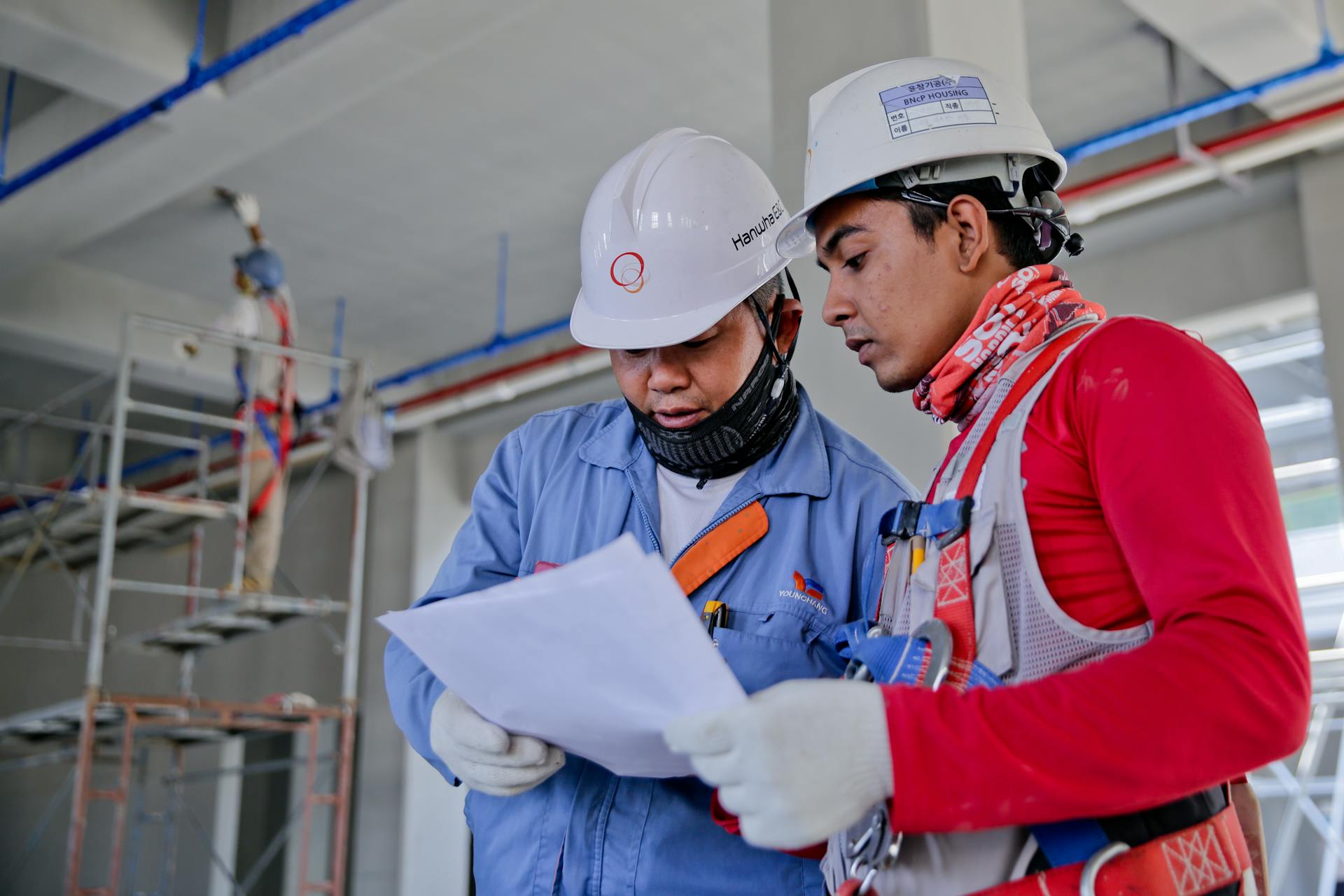
Non-Destructive Techniques Expanding Structural Awareness
Non-destructive testing includes a range of methods designed to evaluate materials without harming them. Ultrasonic scanning, infrared thermography, and Shearography NDT each offer different ways to identify subsurface irregularities that can influence long-term reliability. Shearography, in particular, detects deformation patterns under light stress, while ultrasonic testing measures internal density variations and thermography reveals temperature-based anomalies.
By combining these tools, inspectors create a fuller picture of what is happening inside a component instead of relying solely on outward appearance. This layered approach strengthens early detection, supports maintenance planning, and reduces the likelihood of hidden flaws progressing unnoticed. When these techniques work together, industries gain a more nuanced understanding of how structures respond to everyday demands.
Digital Imaging and Sensor Systems Supporting Predictive Decisions
Digital imaging contributes high-resolution visuals that reveal subtle shifts on material surfaces. When paired with sensor networks, it becomes possible to track real-time behavior under operational conditions. Sensors monitor vibration patterns, temperature changes, and micro-movements, generating data streams that signal emerging stress points. These readings feed predictive models that help maintenance teams decide when intervention is needed.
Instead of relying on fixed timelines, repairs can align with actual equipment performance. This reduces sudden failures and supports a safer, more informed workflow. Digital imaging adds clarity by highlighting areas that sensors identify as points of interest, creating a unified system for monitoring structural health.
Laser-Based Inspection Improving Measurement Precision
Laser inspection tools detect small variations in shape, alignment, or surface condition with impressive accuracy. Their non-contact design allows delicate materials or complex geometries to be assessed without interference. These measurements can be repeated under identical conditions, helping engineers track gradual changes across multiple inspection cycles.
This consistency supports long-term trend analysis, reinforcing decisions about repair, replacement, or continued use. Industries use laser techniques to verify weld quality, assess dimensional stability, and confirm whether critical components remain within acceptable tolerances. The precision they provide strengthens confidence in the structural integrity of both new and aging equipment.
Applications Highlighting Broad Industrial Benefits
High-tech inspection methods have influenced a wide range of industrial practices. Their benefits appear in tasks such as:
- Locating vulnerabilities before they develop into functional issues
- Guiding maintenance with measurable, documented findings
- Supporting compliance efforts with detailed inspection records
- Enhancing equipment longevity through earlier interventions
These improvements reflect a growing commitment to safety strategies led by data-rich evaluation rather than assumptions or visual-only checks. As advanced inspection becomes more accessible, its role in shaping safer environments continues to expand.
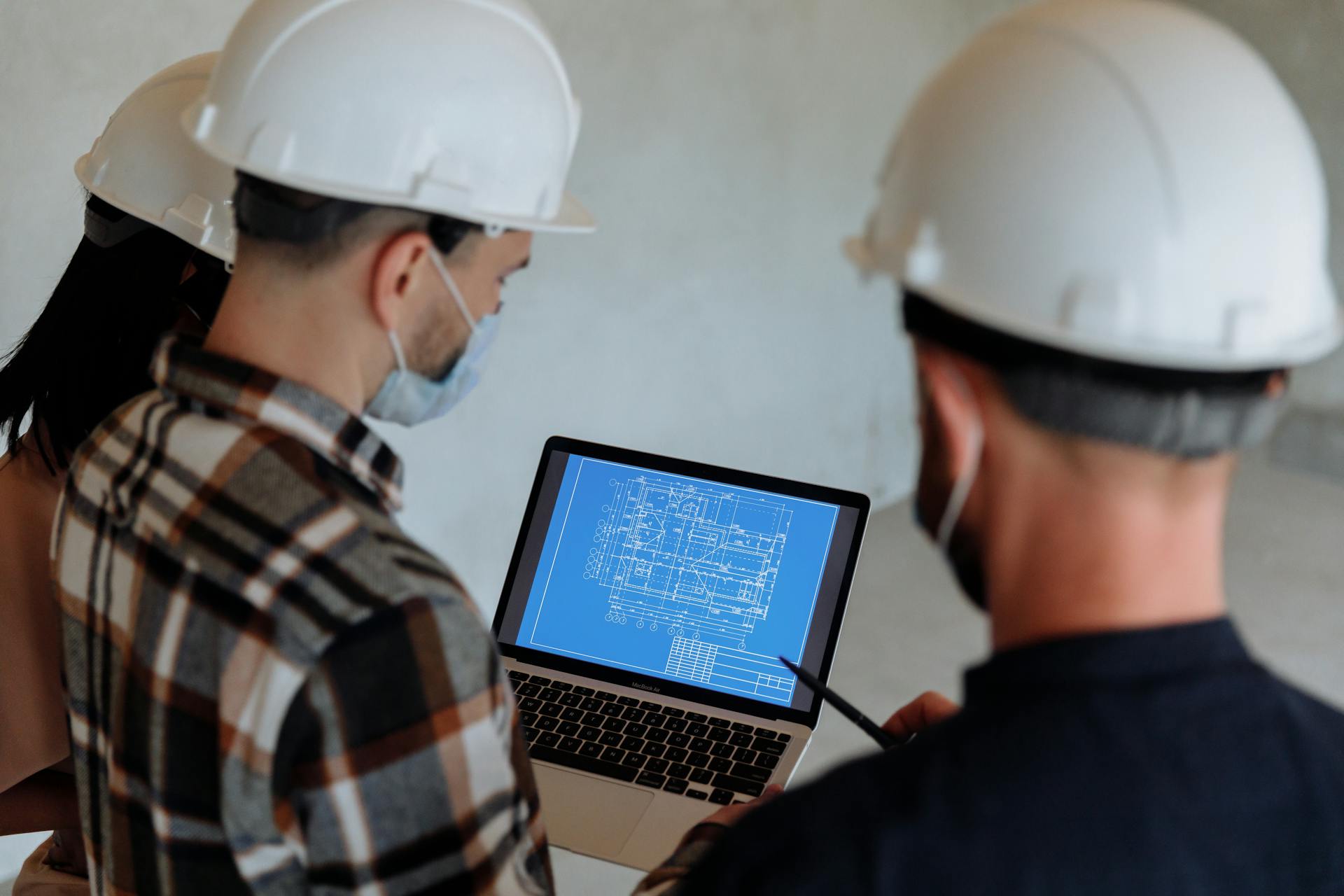
High-tech inspection methods are transforming industrial safety by offering clearer insights, earlier detection, and more reliable information for decision-making. Their integration supports workplaces that prioritize prevention, structural awareness, and confidence in the systems they rely upon each day.

A dad of 3 kids and a keen writer covering a range of topics such as Internet marketing, SEO and more! When not writing, he’s found behind a drum kit.