Planning a field trip that is both educational and exciting can be a challenge. Many educators and organizers struggle to find experiences that truly engage students while still delivering meaningful learning outcomes. Traditional trips often fall short, leaving students distracted or uninterested.
This is where dinosaur parks stand out. With the growing availability of dinosaurs for sale, more parks are transforming into immersive, educational environments that bring prehistoric life to the present. These attractions combine entertainment with hands-on learning, making them one of the most effective field trip options today.
Pain Points in Traditional Field Trips
Before exploring why dinosaur parks excel, it helps to understand common challenges faced when organizing field trips:
- Lack of engagement: Students may lose interest in passive learning environments.
- Limited interaction: Many trips do not allow hands-on experiences.
- Low retention: Without memorable elements, students often forget what they learned.
Dinosaur exhibits directly address these issues by creating dynamic, interactive experiences that capture attention and encourage participation.
How Dinosaur Parks Bring Learning to Life
Immersive Visual Experiences
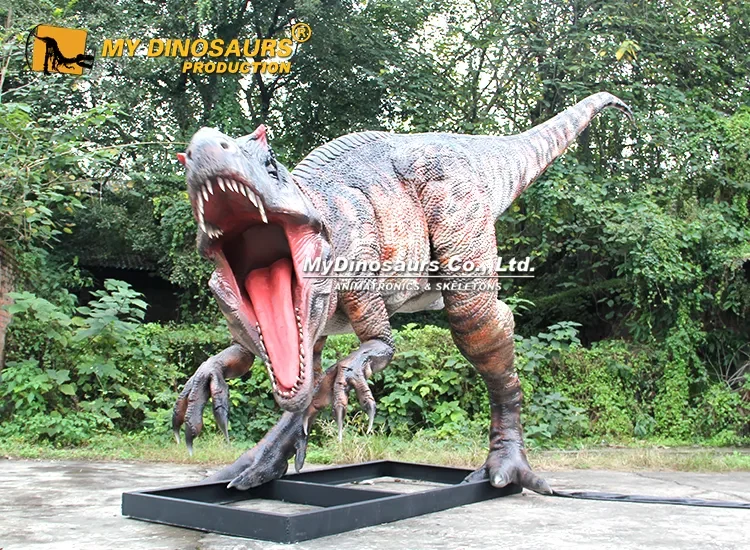
One of the most powerful aspects of dinosaur parks is their ability to create a sense of wonder. Life-sized dinosaur models, realistic movements, and detailed environments allow students to visualize what prehistoric life might have looked like.
Instead of reading about dinosaurs in textbooks, students can:
- Walk alongside towering replicas
- Observe textures, shapes, and scale
- Experience realistic movements and sounds
This visual immersion helps students better understand complex topics like evolution, habitats, and extinction.
Beyond visual appeal, these exhibits also support different learning styles. Visual learners benefit from seeing accurate representations, while kinesthetic learners engage through movement and exploration within the space. Even auditory learners gain value from sound effects and guided explanations that accompany many displays. By appealing to multiple senses at once, dinosaur parks create a layered learning environment where information is not only presented but experienced. This approach significantly improves comprehension and recall, especially for younger students who may struggle with abstract concepts in traditional classroom settings.
Interactive Learning Opportunities
Dinosaur parks often incorporate hands-on activities that turn passive learning into active exploration. These include:
- Fossil digging simulations
- Interactive displays and touchpoints
- Guided educational tours
By engaging multiple senses, students are more likely to retain information. Active participation encourages curiosity and critical thinking, making learning both effective and enjoyable.
The Role of Dinosaurs for Sale in Modern Parks
Expanding Access to Educational Exhibits
The availability of dinosaurs for sale has made it easier for parks, schools, and educational spaces to incorporate high-quality exhibits. These models are designed with accuracy and durability in mind, allowing more locations to offer engaging experiences.
As a result:
- Smaller parks can compete with larger attractions
- Educational institutions can enhance their programs
- Communities gain access to unique learning opportunities
This accessibility has played a major role in the rise of dinosaur-themed field trips worldwide.
Customization and Thematic Learning
Modern dinosaur exhibits are highly customizable. Parks can design layouts that align with specific learning objectives, such as:
- Geological timelines
- Dinosaur classifications
- Environmental changes over time
This flexibility allows educators to tailor field trips to their curriculum, ensuring that the experience is not just fun but also relevant and educational.
Why Students Remember Dinosaur Field Trips
Emotional Engagement
Memorable experiences are often tied to emotions. Seeing a massive dinosaur up close can spark excitement, curiosity, and even awe. These emotional responses help reinforce learning.
Students are more likely to remember:
- The size and scale of dinosaurs
- Key facts presented during the visit
- The overall experience of exploration
Storytelling and Imagination
Dinosaur parks naturally encourage storytelling. Whether through guided tours or self-exploration, students can imagine:
- How dinosaurs lived
- What their environments looked like
- How they interacted with each other
This imaginative element makes learning more relatable and engaging.
Educational Benefits Beyond Science
Dinosaur field trips are not limited to science education. They also support learning in other areas:
| Subject Area | Learning Opportunities |
| History | Understanding Earth’s past and timelines |
| Geography | Exploring ancient environments and landscapes |
| Art | Sketching and visual interpretation |
| Language | Writing stories and reflections |
This multidisciplinary approach enhances the overall value of the trip.
Enhancing Field Trips with Quality Exhibits
What Makes a Great Dinosaur Exhibit?
Not all dinosaur displays are created equal. High-quality exhibits typically include:
- Accurate anatomical details
- Durable materials for outdoor use
- Realistic movement and sound features
- Educational signage and context
These elements ensure that the experience is both engaging and informative.
Practical Tips for Organizing a Dinosaur Park Field Trip
To maximize the benefits of a dinosaur-themed field trip, consider the following:
- Set clear learning objectives
Align the trip with classroom lessons. - Prepare students beforehand
Introduce key concepts to enhance understanding. - Encourage interaction
Allow time for exploration and questions. - Follow up after the visit
Reinforce learning through discussions or projects.
The Growing Popularity of Dinosaur Parks
The increasing demand for unique educational experiences has contributed to the rise of dinosaur parks. With more dinosaurs for sale available globally, parks can continuously update and expand their exhibits.
This growth reflects a broader trend toward experiential learning, where students learn best by doing and experiencing rather than simply observing.
Creating Lasting Educational Impact
Dinosaur parks succeed because they combine three essential elements:
- Education: Clear, structured learning opportunities
- Engagement: Interactive and immersive experiences
- Memorability: Emotional and visual impact
By integrating these components, they provide a well-rounded field trip experience that benefits both students and educators.
Conclusion
Dinosaur parks have redefined what a field trip can be. By turning learning into an immersive adventure, they address common challenges such as low engagement and limited interaction. The use of dinosaurs for sale has made these experiences more accessible, allowing more parks to offer high-quality, educational exhibits.
For educators and organizers seeking meaningful and memorable field trips, dinosaur parks offer a powerful solution. They not only bring prehistoric history to life but also inspire curiosity, creativity, and a deeper appreciation for learning.