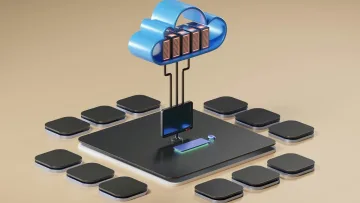
Automation is no longer limited to software workflows or back-office systems. It is increasingly shaping the physical infrastructure of modern business operations, influencing how companies store, issue, retrieve, and track the tools employees need every day.
This shift reflects a broader operational reality. Distributed teams, shared workplace devices, hybrid work patterns, and growing process complexity have made manual storage and distribution methods harder to sustain. What once worked through front desks, IT counters, spreadsheets, and ad hoc handoffs can quickly become inefficient when organizations need to manage devices, equipment, access kits, and employee assets across multiple teams, sites, or schedules.
Hybrid work remains part of that picture, but the larger issue is operational complexity. As employees, devices, and equipment move more fluidly across offices, shifts, and locations, businesses need more reliable ways to control access, reduce delays, and maintain visibility over shared assets.
That is one reason organizations are expanding their view of workplace automation. Alongside digital workflow tools and identity systems, businesses are increasingly evaluating physical infrastructure that can reduce manual intervention in everyday operational tasks. Automated locker systems are part of that shift. Rather than serving as simple storage units, they are being adopted as controlled, trackable access points for distributing and managing shared assets.
What Are Automated Locker Systems?
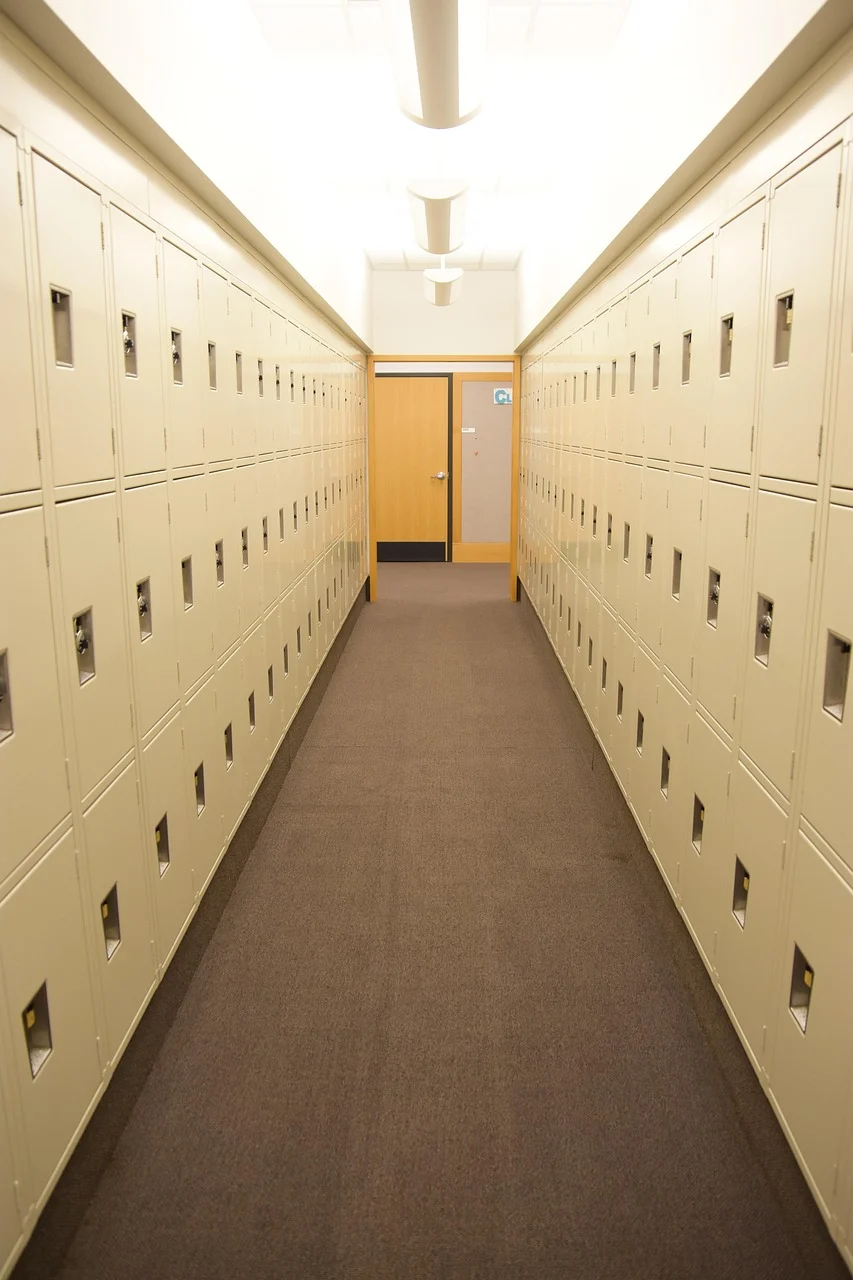
Automated locker systems are secure, compartment-based storage systems that use software, digital access controls, and workflow rules to manage how physical assets are issued, retrieved, and returned.
Unlike traditional lockers, which mainly provide static storage, automated locker systems are designed to support transactions. A user can be assigned a device, authenticated through a badge, PIN, mobile credential, or single sign-on, and granted access to a specific compartment. The system can then log the event, update inventory records, and trigger the next step in a broader workflow.
That distinction matters. Traditional lockers hold items. Automated locker systems manage asset movement.
In business environments, these systems are often connected to workplace platforms such as identity management systems, IT service management tools, device inventories, or operational dashboards. That integration allows companies to automate asset distribution while maintaining visibility and control.
This is why smart locker technology is increasingly being viewed as part of workplace infrastructure rather than as a standalone storage solution. It supports secure storage, digital access control, automated asset distribution, and system integration in one environment.
Why Businesses Are Adopting Automated Locker Technology
The rise of workplace locker automation is being driven by practical operating pressures:
- One major factor is the increase in shared workplace devices. Many organizations now manage fleets of laptops, tablets, handheld scanners, mobile phones, peripherals, and other tools that move between employees, shifts, or locations. Manual handoff processes often create delays, incomplete tracking, and avoidable administrative work.
- Another factor is the evolution of work patterns. In hybrid and flexible workplaces, employees do not always arrive on the same schedule or rely on fixed desks. That makes it harder to issue and collect equipment through traditional support counters or staffed pickup points.
- Businesses are also trying to reduce repetitive manual processes in operations more broadly. McKinsey has noted that leading operations teams are using automation and related technologies to improve efficiency, resilience, and coordination across the business. In that context, automated storage solutions for businesses fit into a broader effort to reduce friction in routine physical workflows.
- There is also a wider enterprise trend toward automation as a core operating principle. Gartner has projected that by 2026, 30% of enterprises will automate more than half of their network activities, up from less than 10% in mid-2023. While that forecast is specific to network operations, it reflects a broader shift in business thinking: organizations increasingly expect routine processes to be automated, standardized, and centrally visible.
Against that backdrop, automated locker systems are becoming more attractive because they solve a specific operational problem. They give businesses a way to automate physical asset access without depending on constant staff involvement.
Platforms such as ForwardPass are part of this category, helping organizations manage locker-based infrastructure with centralized visibility and control across locations.
Key Business Use Cases for Smart Locker Systems
The most common use cases for smart locker systems for businesses center on environments where assets need to move quickly, securely, and with accountability.
- One common example is IT device distribution in offices. Employees may need to collect a replacement laptop, pick up onboarding equipment, or return a damaged device outside standard help desk interactions. Locker-based workflows allow those exchanges to happen through a self-service model while preserving a digital record.
- Another use case is employee equipment management. Organizations that rely on shared tablets, scanners, radios, or specialized tools often need a more structured process for issuing and returning assets. Lockers can help standardize those transactions and reduce uncertainty about who has what at any given time.
- Logistics and operational settings represent another strong fit. In warehouses, distribution centers, and field operations, workers may need rapid access to handheld devices or shift-specific equipment at predictable peaks, especially at shift start and shift end. Manual distribution in those moments can slow throughput and create unnecessary pressure on supervisors or support teams.
- Hybrid workplaces create a different but related use case. Employees who come on-site only occasionally still need secure, predictable access to assigned devices, kits, or temporary storage. In these settings, enterprise locker management systems help support flexible occupancy patterns without requiring permanent desk assignments or staffed distribution points.
Across all of these environments, the underlying goal is similar: improve the handoff process while maintaining tighter control over assets.
Benefits of Automated Locker Systems for Businesses
The business case for automated locker systems is rooted in operational efficiency.
- One benefit is improved asset visibility. When equipment moves through a digitally managed locker workflow, businesses can track collection, return, access time, and user activity more consistently than they can through informal manual processes. That supports better inventory control and reduces time spent locating missing items.
- A second benefit is faster equipment access. Employees do not need to wait for IT staff, reception teams, or supervisors to complete simple handoffs. In environments where delays affect productivity, faster access can have a direct operational impact.
- A third advantage is lower administrative workload. Many asset exchanges are procedural rather than technical. By automating those exchanges, organizations can reduce the burden on IT and support teams and redirect labor toward higher-value work.
- Automated systems can also improve security and accountability. Digital authentication, access logs, policy-based permissions, and return tracking provide more structure than ad hoc exchanges or sign-out sheets. For businesses handling high-value devices or regulated equipment, that added control can be especially important.
Taken together, these benefits explain why smart locker systems for businesses are being considered not just as convenient storage, but as part of a more efficient and controlled workplace operating model.
What Companies Should Consider Before Implementing Locker Systems
Despite the advantages, implementation requires planning.
- The first consideration is capacity and deployment strategy. Businesses need to determine what kinds of assets will be stored, how often they move, and where usage peaks occur. A deployment meant for occasional device pickup will differ significantly from one designed for high-volume operational turnover.
- Integration is another important factor. The value of enterprise locker management systems increases when they are connected to existing systems such as identity providers, IT service platforms, asset management tools, or security controls. Without that integration, companies may improve access but still leave manual steps elsewhere in the process.
- Authentication methods also deserve attention. Badge access, PINs, mobile credentials, and single sign-on each offer different trade-offs in terms of convenience, security, and administrative effort.
- Security and compliance considerations should be addressed early as well. Businesses may need to review audit logging, data retention, user permissions, asset chain-of-custody requirements, and any internal or sector-specific policies that affect deployment.
In other words, successful workplace locker automation depends on more than hardware selection. It requires alignment between physical infrastructure, workflow design, and governance.
The Future of Automated Workplace Infrastructure
Automated locker systems are becoming more relevant because they solve an increasingly common problem in modern business environments: how to distribute and manage physical assets with greater speed, consistency, and control.
As organizations continue to modernize operations, manual storage and handoff models are becoming harder to scale. Automated locker systems help businesses improve operational efficiency, automate asset distribution, support modern workplace environments, and maintain better control over shared devices and equipment.
For operations managers, IT leaders, workplace technology teams, and facilities decision-makers, the implication is becoming clearer. Automation is no longer only about digital processes. It also includes the physical infrastructure that supports how work gets done. In that broader shift, automated locker systems are emerging as a practical component of modern business operations.