Old enterprise tech goes to certified IT asset disposition facilities for secure data sanitization, component refurbishment, or materials recovery.
During infrastructure upgrades, organizations frequently celebrate new deployments while leaving the replaced fleet undocumented.
This operational neglect leads to severe financial, environmental, and data security consequences.
This operational gap represents a significant strategic vulnerability. Enterprise infrastructure requires rigorous end-of-life planning.
Ignoring this transition leaves storage media unaccounted for on the network perimeter.
Understanding responsible disposition actually determines an organization’s risk profile more than most digital transformation strategies acknowledge.
The Hidden Costs of Ad-Hoc Disposal
Storage sprawl is the most common operational default for transitioning infrastructure.
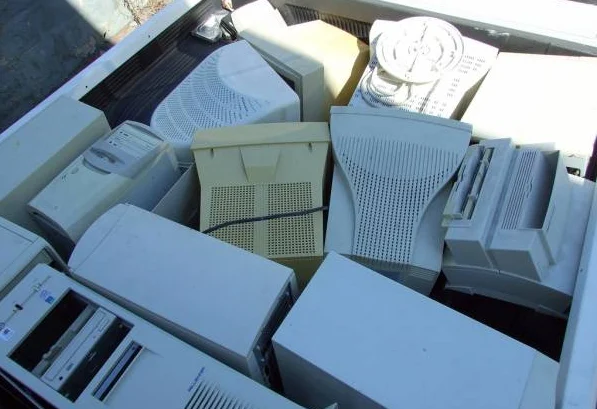
Decommissioned hardware accumulates in server room corners, IT closets, and cold cages without documentation or a formal timeline.
Enterprise equipment holds residual market value only within a defined depreciation window. Delay converts recoverable capital directly into financial write-offs.
Without formal data center hardware disposal protocols, facilities default to informal disposal. IT departments need standardized, verifiable processes to handle the secure retirement of assets.
Implementing comprehensive programs, such as efficient electronics recycling by PCLiquidations, ensures that all end-of-life hardware is processed correctly.
Scrap-adjacent recycling prioritizes raw material destruction without addressing underlying data sanitization.
Unvetted informal buyers often offer cash without providing a documented chain of custody. This leaves no legal record, no vendor accountability, and no definitive proof that sensitive storage media was handled correctly.
Improper disposal also poses massive environmental hazards, as e-waste accounts for a disproportionate amount of toxic elements like heavy metals in landfills.
Ghost hardware sitting in operational limbo is an unaudited liability sitting on the balance sheet.
| Warning/Important: Ad-hoc disposal creates an unaudited liability. Ghost hardware sitting in server rooms is a security gap and a financial write-off, not just clutter. |
The Four Stages of a Responsible IT Asset Lifecycle
1. Organized Collection
Assets are systematically cataloged by serial number at intake, establishing an immediate, auditable record.
This is the exact stage where operational chaos ends, and genuine accountability begins.
Without this foundational baseline, every subsequent step in the supply chain relies entirely on guesswork.
2. Data Sanitization
This is the highest-stakes stage of the retirement process. Storage media is processed under formal data destruction protocols rigorously aligned with stringent federal guidelines.
Organizations must ensure the absolute destruction of information so that no sensitive record can ever be recovered.
A certificate of destruction is issued per asset, closing the security gap and satisfying regulatory compliance requirements.
3. Sorting and Triage
Functional equipment is separated from end-of-life components through a structured, technical assessment.
Non-repairable hardware enters responsible e-waste processing. Precious metals are recovered through certified downstream partners, while toxic materials are safely diverted from local landfills.
Despite massive volume growth, federal agencies note that durable consumer electronics represented only a tiny fraction of overall MSW generation in recent years.
4. Refurbishment and Re-Entry
Retired hardware is not at the end of its productive life. It is actually at the beginning of a highly valuable second life.
Technicians replace batteries, keyboards, and degraded components so that systems emerge as high-quality refurbished enterprise equipment.
Capital recovery generated at this operational stage directly offsets new procurement costs.
| Key Insight: Refurbishment isn’t just waste reduction. It’s a capital recovery strategy that directly offsets new hardware costs and strengthens budget planning. |
Why Enterprise Grade Recycling Is A Safeguard
IT leaders often associate hardware recycling with data vulnerability because their historical exposure to informal scrap operators has been high.
What separates structured IT asset disposition from informal disposal is not intention, but meticulous documentation.
Absolute transparency, an unbroken chain of custody records, and independently verifiable data destruction are required to protect modern businesses.
A certified, closed-loop alternative fundamentally eliminates these common data vulnerabilities. Operations functioning at this tier demonstrate the rigorous consistency and procedural scale required for secure enterprise disposition work.
Reviewing these documented workflows illustrates what this exacting security standard looks like in practice.
Integrating a structured enterprise IT lifecycle management partner is transformative for mid-sized operations.
It entirely replaces the need for an internal logistics team dedicated solely to asset retirement.
This transition ends-of-life handling from an unpredictable hazard into a heavily documented, predictable safeguard.
Hardware Strategy Is Digital Strategy
Most digital transformation initiatives heavily skew toward cloud migration and software modernization.
Physical hardware is often treated as a static infrastructure backdrop, which is a massive strategic mistake.
Proper data center hardware disposal represents the opening of the next budget cycle rather than the closing of the last one.
Organizations that ignore this stage incur compounded costs across three different operational dimensions.
Direct financial loss happens rapidly through missed hardware recovery windows. Active security exposure occurs continuously through unaccounted storage media.
Mounting sustainability liability builds up over time through informal downstream handling.
Deploying new infrastructure without a formal retirement plan introduces a glaring structural gap.
Internal auditors, cybersecurity insurers, and industry regulators are increasingly equipped to identify and penalize these oversights.
Capital recovered from retired storage arrays and server infrastructure should always serve as critical reinvestment funding.
The Path Forward
Where does old tech go when it is finally replaced? It does not simply disappear, and it certainly does not die.
Instead, it re-enters the global supply chain through a structured, secure, and financially recoverable lifecycle process.
This successful cycle works provided the organization treats disposition as a formal discipline rather than an afterthought.
Embedding enterprise IT lifecycle management into standard operating procedures is far more than a logistics upgrade.
It is a vital risk management decision and a proactive budget strategy combined. Business leaders must aggressively audit their current disposal practices today.
Identifying whether a formal workflow governs their decommissioned fleet is essential before the next major upgrade cycle begins.
| Author Profile: PCLiquidations is the leading online retailer of quality refurbished technology for businesses, schools, government organizations, and home users. |