When an autonomous mobile robot clips a worker on the warehouse floor, the incident report is no longer a page of witness statements and a crude diagram. It’s a data pull. The robot logged its own position, speed, lidar returns, path plan, and the exact moment its safety scanner flagged a human silhouette in the travel lane.
The pallet jack across the aisle logged its own path. The wearable on the picker’s belt logged a jolt. That’s the file the adjuster and the plaintiff’s attorney are both going to want, and the order in which it gets preserved, produced, and interpreted decides most of what happens next.
Before the Collision, the Robot Is Already Building the Record
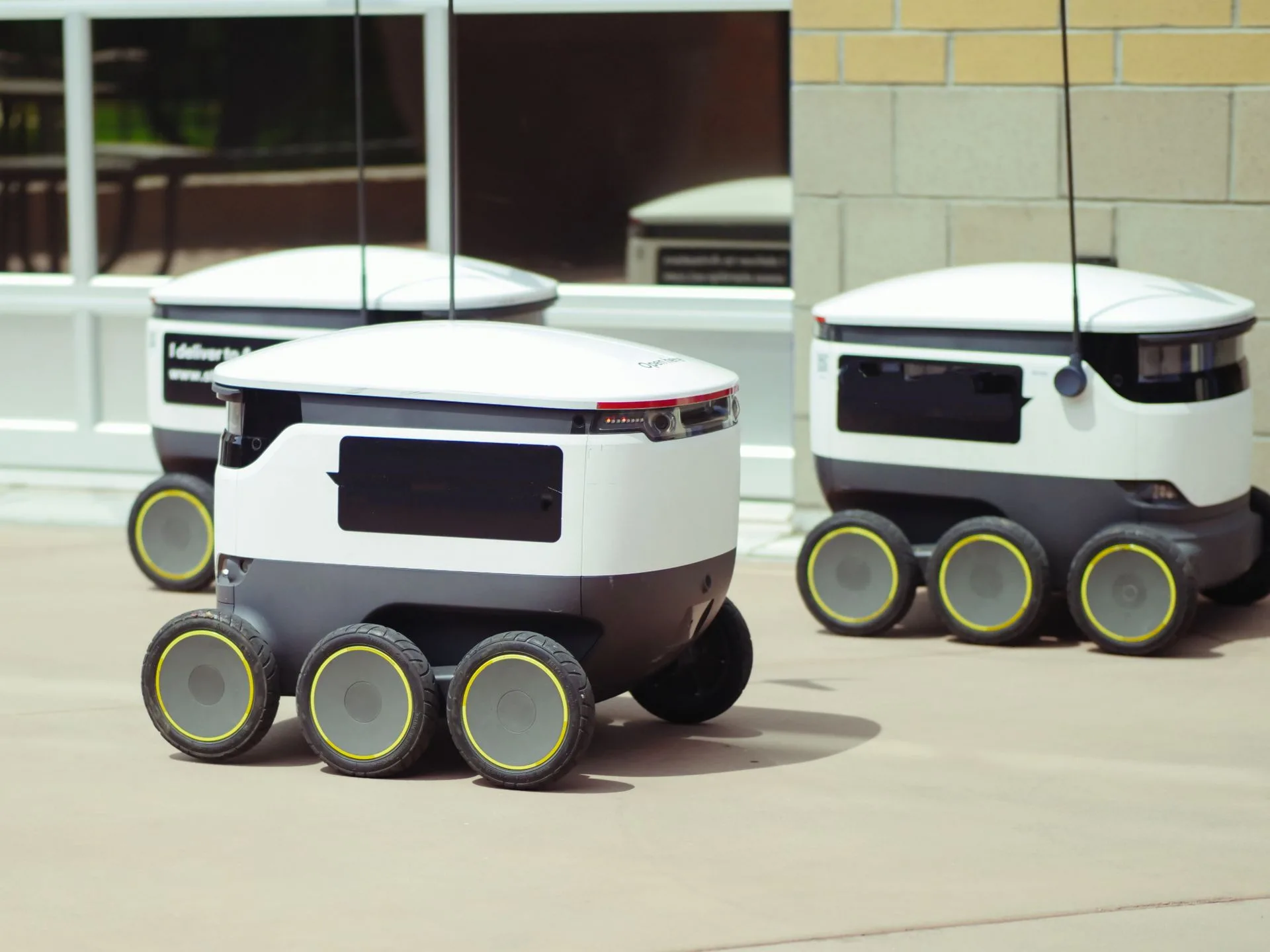
An AMR is not a forklift with a computer bolted on. It’s a moving sensor platform that logs telemetry continuously, and much of that log exists before anyone is hurt. Path plans, obstacle detections, speed reductions, emergency stops, operator overrides, and firmware versions are all timestamped and stored, usually on the fleet manager rather than the robot itself. The R15.08 standard that governs industrial mobile robots treats AMRs as a distinct class from older automated guided vehicles precisely because they make navigation decisions on the fly, and those decisions leave a trail.
That trail is short-lived unless someone reaches for it. Retention windows on fleet controllers are often measured in days or weeks, not years. If the report doesn’t name the robot, the fleet, the shift, and the aisle within that window, the data that would have answered the hardest questions is already gone by the time anyone thinks to ask.
The Moment of Contact Generates Three Files, Not One
A robot-worker collision typically writes to three separate systems in the same second, and none of them talks to the others by default. Anyone trying to reconstruct what happened has to gather all three before they drift out of sync or get overwritten.
Pull only the robot log and you get the vendor’s story. Pull only the video and you get a two-dimensional flattening of a three-dimensional event. The reconstruction lives at the intersection of the three.
In the First 72 Hours, Preservation Beats Investigation
The instinct after an incident is to figure out what happened. The more useful instinct is to freeze the evidence before anyone touches it. That means a written preservation request to the employer and, where relevant, to the robot vendor and the integrator, naming the specific fleet, unit ID, date range, and data types: telemetry, event logs, path plans, safety-scanner traces, firmware and configuration versions, and video.
Two things routinely erase the record in this window. Firmware updates push during off-hours and can overwrite configuration state. Fleet managers roll their logs on a fixed schedule that nobody thought to pause.
A short letter, sent fast, can head off both. It also puts the vendor on notice that the black-box data is now part of a claim, which changes how the next software patch gets deployed.
Weeks Later, the Fight Is Over What the Data Means
Preserved data doesn’t interpret itself. The vendor’s expert will read the log and say the safety system performed to specification. The worker’s expert will read the same log and point to a scanner blind spot at ankle height, a path plan that routed the robot through an aisle flagged for human-only picking, or a speed setting a supervisor raised to hit a throughput target.
Both can be true at once. Regulators have started paying closer attention to how these incidents are surveilled and classified, with NIOSH’s program prioritizing case-based investigations of robot-related injuries and near-misses at the federal level.
The General Duty Clause still sits over all of it. A recognized hazard is a recognized hazard whether it moves on wheels or not, and the employer’s obligation to guard against it does not shift to the robot vendor by contract. Machine guarding and lockout/tagout obligations apply to AMRs during maintenance the same way they apply to any other powered equipment.
What an Injured Worker Should Actually Do
The robot changed the evidence, not the injury. A worker still has a body that got hit and a claim that has to be built out of records someone else controls. The difference now is that a lot of those records exist, in far more detail than they ever did, for a short window before they don’t.
Getting a work injury lawyer involved early is how that window stays open long enough to matter.