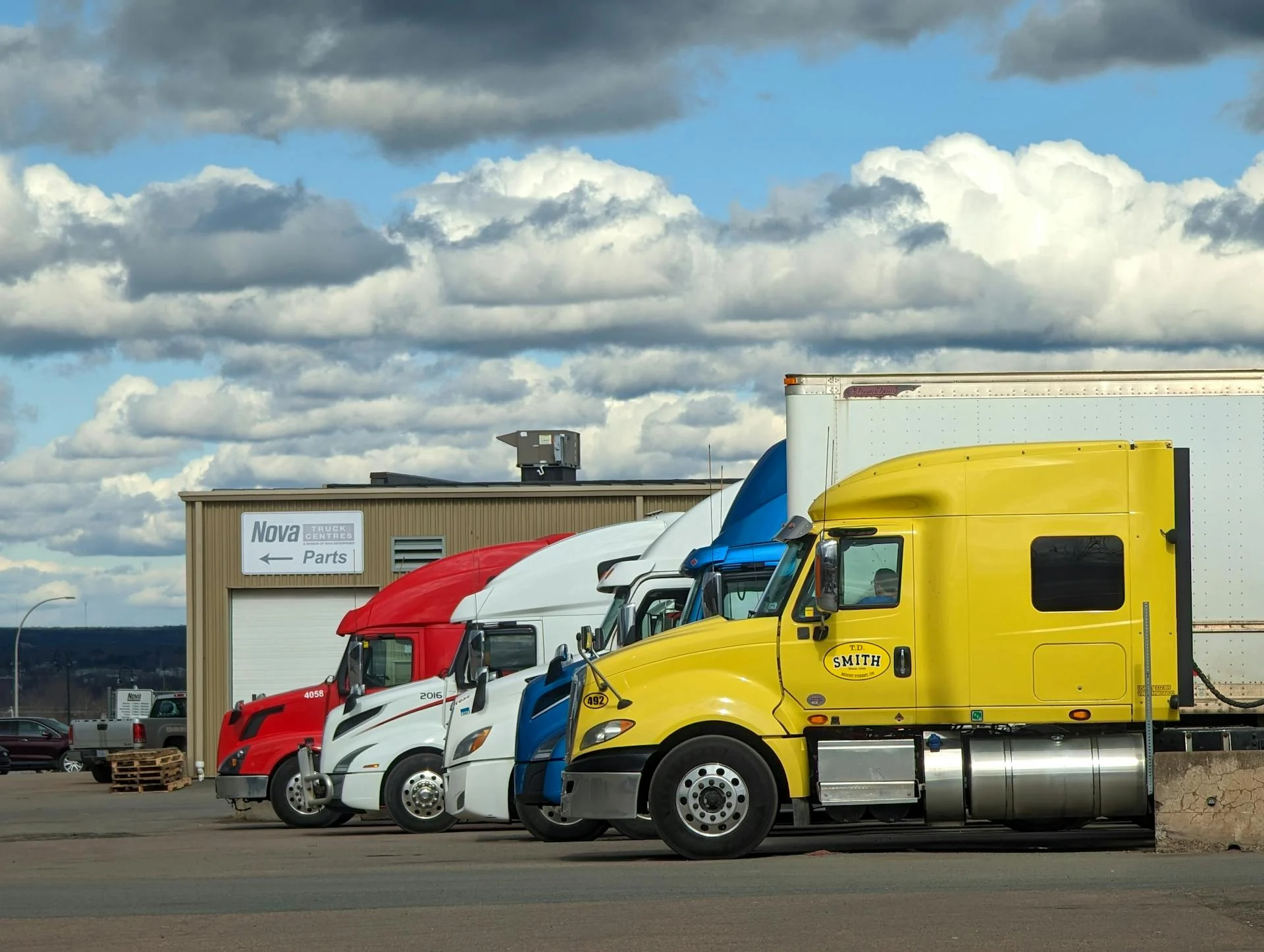
Heavy trucks carry more than cargo across highways. They carry pressure, deadlines, long driving hours, and company decisions made far from the road itself. After a serious crash, many people first focus on the driver because that person was behind the wheel. But truck accident cases often go much deeper than one mistake made during traffic.
Trucking companies can sometimes play a major part in what caused the collision, especially if safety rules were ignored before the truck even started moving. Many injured drivers begin searching for an experienced truck accident lawyer after learning that responsibility may involve more than one person or one bad turn on the highway.
Truck Accidents Are Different From Regular Crashes
Truck accidents usually involve commercial vehicles that operate under strict safety rules. Drivers often work under schedules created by trucking companies, and those companies are expected to follow transportation regulations connected to hiring, maintenance, cargo loading, and driving hours.
Because trucks are larger and heavier than passenger cars, crashes can become far more serious. A single mistake involving a commercial truck may lead to major road closures, severe injuries, or multi-vehicle collisions. Investigations often focus on company records because decisions made behind office doors can sometimes affect what happens on the road.
Why Trucking Companies Can Share Responsibility
A trucking company controls many parts of daily operations. The company may hire drivers, maintain vehicles, set delivery schedules, inspect equipment, and manage safety procedures. If problems exist in any of those areas, the company itself may face responsibility after a crash.
Some companies push drivers to meet unrealistic deadlines even during dangerous weather or heavy traffic. Others may fail to inspect trucks properly or ignore warning signs connected to unsafe driving behavior. Responsibility does not always stop with the driver because company policies may influence how the entire operation works each day.
Six Situations That May Lead to Company Responsibility
- Hiring drivers with poor driving records or unsafe histories
- Failing to inspect or repair brakes, tires, or other truck parts
- Allowing drivers to work longer hours than safety rules permit
- Pressuring drivers to speed or skip rest breaks to meet deadlines
- Improperly loading cargo that affects truck balance or stopping distance
- Ignoring reports about unsafe trucks or dangerous driver behavior
These situations may appear simple at first, but each one can become a major factor during an accident investigation. Records connected to maintenance, driver logs, training reports, and company communication can all become important later.
Why Evidence Matters So Much
Truck accident claims often depend on evidence that disappears quickly if nobody acts fast enough. Trucking companies may hold documents connected to inspections, repair records, employee schedules, and electronic driving logs. Some trucks also contain electronic systems that record speed, braking activity, and driving time before a crash.
Photos from the scene, witness statements, and road conditions may also affect how responsibility is viewed. Insurance companies sometimes try to narrow the focus only to the driver because it can reduce attention on larger company problems. That is one reason many people speak with an experienced truck accident lawyer while trying to understand what information should be preserved after a serious collision.
How People Try to Hold Companies Accountable
Truck or bus accident investigations usually involve several moving parts at the same time. Legal teams often review company records, driver histories, inspection reports, and electronic data connected to the truck itself. Safety violations may also become part of the discussion if rules were ignored before the crash happened.
People also try to keep communication organized after the accident. Medical records, repair bills, photos, and witness details may help create a clearer timeline of events. Delays can sometimes make investigations harder because evidence may become difficult to recover later.
It also helps to avoid rushing into early settlement conversations before the full situation becomes clear. Truck accident cases often involve multiple insurance policies and several parties connected to the trucking operation. Careful review usually matters more than quick decisions in situations involving commercial vehicles.
Looking Beyond the Driver
Truck accident cases are rarely simple because responsibility may stretch beyond the person driving the vehicle. Company decisions connected to hiring, maintenance, safety policies, and scheduling can all become part of the larger picture after a serious collision. Detailed records often shape the entire investigation.
That is why investigations often focus on records and operational choices instead of only the crash itself. People trying to understand these situations often look for clear answers about how trucking companies operate behind the scenes. Speaking with a truck accident lawyer may help injured individuals better understand the process and the factors that could affect a claim after a commercial truck accident.