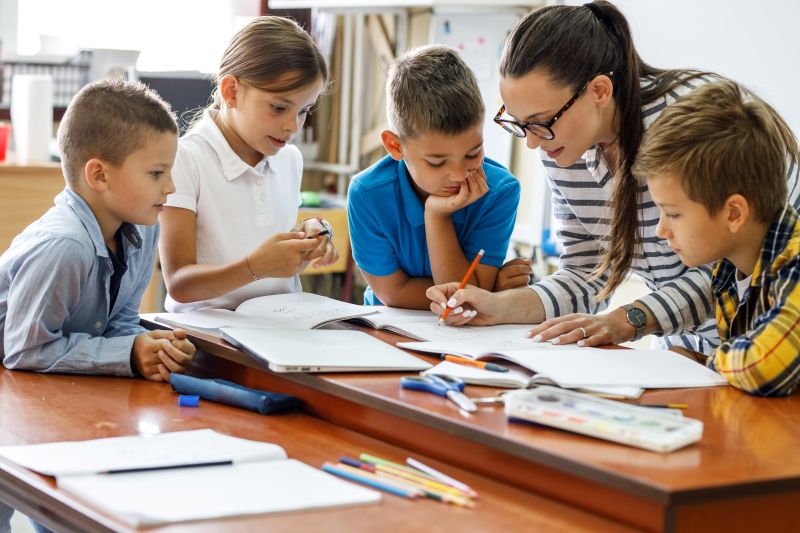
Teaching elementary school students is one of the most rewarding careers out there, but it’s also one of the most demanding. Every day, elementary educators juggle dozens of responsibilities. They’re not just teaching reading, writing, and arithmetic. They’re wiping tears, settling arguments, celebrating small victories, and somehow finding creative ways to explain fractions to a room full of wiggly eight-year-olds.
The best elementary teachers bring together different skills. They need patience and energy. They need to understand how young minds develop and learn. They need creativity to make lessons come alive, organization to keep their classrooms running smoothly, and the ability to connect with each unique child who walks through their door.
So what does it really take to become a well-rounded elementary educator? Let’s take a look!
Ongoing Growth in Subject Knowledge
Elementary educators teach a variety of subjects, including math, reading, science, and social studies. Staying current in subject knowledge ensures teachers can answer questions confidently and introduce new ideas accurately. Even if a teacher specializes in one area, understanding other subjects helps them create connections that make learning more meaningful.
Professional growth comes from more than coursework. Professional development workshops, conferences, and mentorship programs provide strategies to improve lessons and classroom management. Many teachers pursue educator certification or maintain a professional license, which requires ongoing training and learning.
Preparing for exams like the Praxis II is a key part of that process. Tools such as the Praxis II 5001 prep guide offer a structured way to review core subjects, practice questions, and build confidence before test day. This can make the preparation feel more manageable and help teachers strengthen the knowledge they’ll use every day in the classroom.
A Strong Foundation in Teaching Basics
A solid start in elementary education begins with understanding core teaching principles and child development. Many teachers begin with field experience or student teaching, which provides hands-on practice in real classrooms before taking on full responsibilities. These opportunities allow aspiring educators to learn how to plan lessons, manage time, and observe how children respond to various teaching methods.
Even before entering the classroom, courses in early childhood education can help build a foundation for understanding how young learners grow socially, emotionally, and academically. Learning about cognitive milestones, typical delays, and development stages allows teachers to adjust lessons to meet students where they are.
Strong Communication Skills
Clear communication is essential for teaching. A well-rounded elementary educator explains ideas clearly, gives instructions that students can follow, and listens actively to their concerns. Using language that matches the age and comprehension level of each student makes lessons more effective.
Communication also extends beyond the classroom. Teachers share updates with parents and caregivers, discuss assessment scores, and offer guidance when learning gaps or behavioral concerns arise. Simple, respectful conversations help families stay informed and involved, which strengthens the learning environment.
Clear communication helps teachers work with support staff and classroom leaders, too. This ensures everyone is on the same page when it comes to student success.
Effective Classroom Management Skills
A smooth-running classroom doesn’t happen by accident. Developing effective classroom management skills is essential. This involves creating routines, setting clear expectations, and maintaining consistency. Students feel safer and more engaged when they understand what is expected of them.
Positive reinforcement is a useful tool. Recognizing effort and progress encourages students to keep trying. At the same time, teachers need strategies for addressing challenges, whether it’s a behavior issue or a conflict between classmates. Handling these situations calmly and fairly ensures that learning stays the focus.
Many teachers also find support through professional organizations, such as the Association for Childhood Education International. These groups provide resources, training, and guidance on effective classroom strategies that help teachers enhance their practice.
Ability to Make Learning Engaging and Practical
Engaging lessons help students connect with the material and stay motivated. A well-rounded teacher knows how to make lessons hands-on, interactive, and meaningful. Real-world examples, group projects, and problem-solving activities give students a chance to apply what they learn.
Incorporating educational technology can also make learning interactive. Simple tools, such as digital quizzes, videos, or collaborative apps, help students participate actively. Even small gestures, such as letting students explore concepts through games or experiments, can turn abstract ideas into practical experiences.
A Flexible Teaching Approach
Being flexible helps teachers respond to unexpected changes, like a student having a rough morning or a lesson taking longer than planned. Adjusting pacing, switching activities, or trying new instructional methods keeps learning moving forward.
A flexible approach also means considering different learning styles. Some students benefit from hands-on activities, while others prefer reading or discussion. Remember that progress varies for each child, so teachers should focus on growth and effort as much as final results.
Regular Reflection and Teaching Adjustments
Reflection is a powerful tool for growth. Strong educators take time to think about what worked, what didn’t, and why. Reviewing lesson outcomes, assessment scores, and classroom dynamics helps teachers make thoughtful adjustments to improve future lessons.
Reflection also involves seeking input from others. Feedback from students, peers, and mentors can highlight areas that aren’t obvious from observation alone. Listening to different perspectives gives teachers practical ideas for refining instruction.
Even small changes can make a big difference. Adjustments like rephrasing instructions, adding short movement breaks, or trying new classroom routines gradually improve learning experiences. A mindset of continuous improvement allows you to grow into a well-rounded educator.
Collaboration With Teachers and Support Staff
Education is a team effort. Collaboration with other teachers, support staff, and administrators improves student learning and provides professional support. Sharing lesson ideas, strategies, and experiences helps educators refine their practice and save time.
Working closely with special educators, counselors, or vocational technical instructors ensures that students with varying needs receive consistent support. Participation in field placement programs and partnerships with classroom leaders allows teachers to learn from peers while offering guidance to newer educators.
Emotional Awareness and Student Support

Young students bring emotions into the classroom, which influence how they learn. Being aware of those emotions and responding appropriately is a key skill. Recognizing signs of frustration, anxiety, or excitement helps teachers adjust their approach to support each child’s needs.
Elementary educators also support social-emotional growth. This helps students navigate friendships, handle conflicts, and build confidence. Checking in regularly with students, offering guidance, and celebrating effort rather than just achievement fosters a positive classroom climate.
Additionally, teachers must care for their own emotional health. Balancing work, stress, and self-care allows educators to remain patient, calm, and attentive throughout the school day.
Conclusion
Becoming a well-rounded elementary educator is a lifelong journey. It requires a balance of subject knowledge, child development, and emotional support. Staying flexible and focusing on growth ensures you build a classroom where every student can thrive. Your dedication to these skills makes a lasting difference. While the job is demanding, the reward of watching a child succeed makes every effort worth it.

Pallavi Singal is the Vice President of Content at ztudium, where she leads innovative content strategies and oversees the development of high-impact editorial initiatives. With a strong background in digital media and a passion for storytelling, Pallavi plays a pivotal role in scaling the content operations for ztudium’s platforms, including Businessabc, Citiesabc, and IntelligentHQ, Wisdomia.ai, MStores, and many others. Her expertise spans content creation, SEO, and digital marketing, driving engagement and growth across multiple channels. Pallavi’s work is characterised by a keen insight into emerging trends in business, technologies like AI, blockchain, metaverse and others, and society, making her a trusted voice in the industry.