Most digital products treat friction as an afterthought, something to sand down once the features are built. The gaming industry never had that luxury. Games live or die on how they feel moment to moment, so game designers have spent decades obsessing over flow, responsiveness, and the removal of anything that breaks immersion. The result is a body of hard-won knowledge about frictionless experience that the rest of the digital world is only beginning to borrow. If you want to understand where seamless design is heading, watch what games figured out long ago.
Games cannot afford a single dull moment
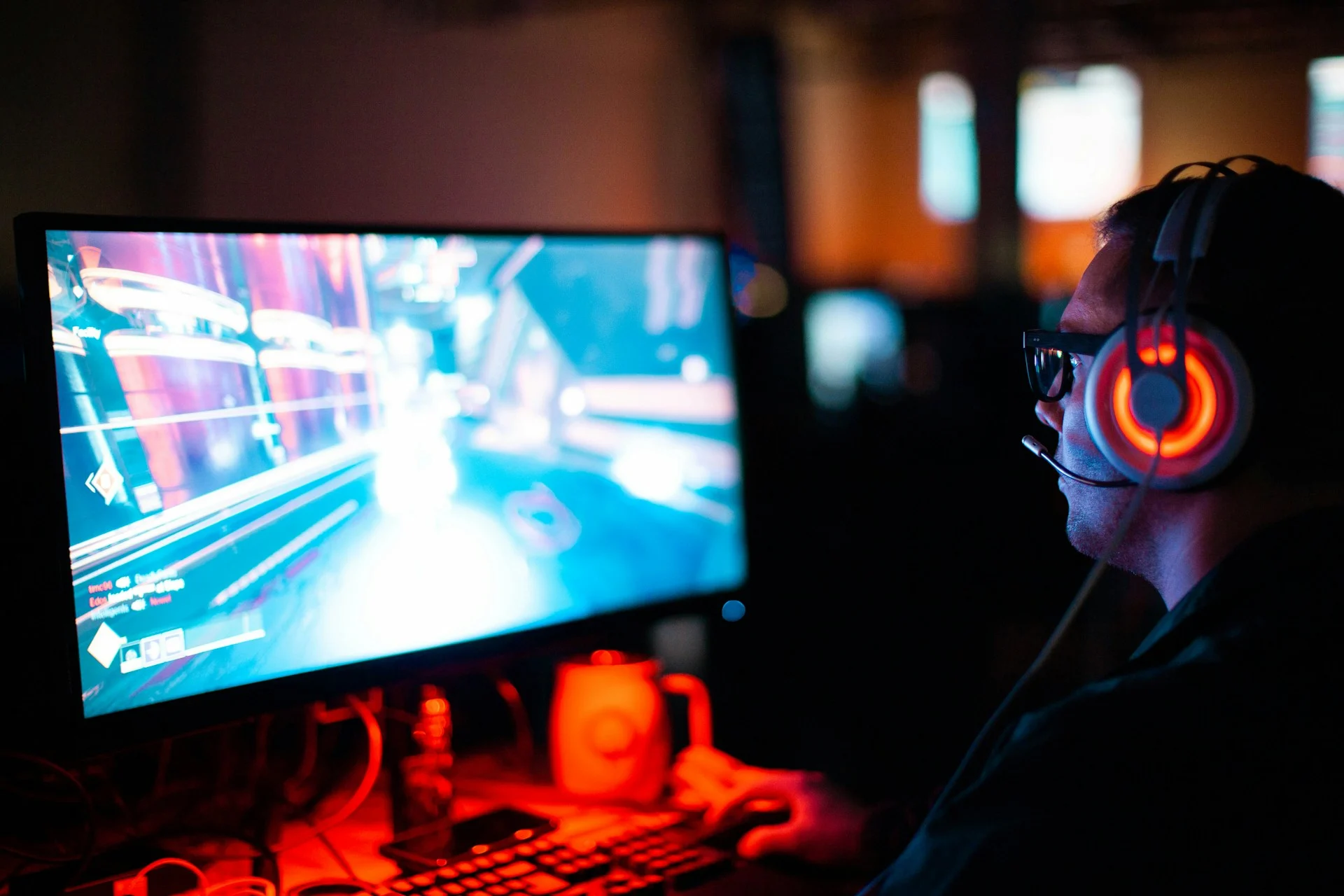
The stakes for friction are uniquely high in gaming. A slow-loading spreadsheet is annoying; a slow-loading game is fatal, because the player is there specifically to be entertained and any interruption shatters the spell. This existential pressure forced the gaming industry to treat responsiveness and flow not as nice-to-haves but as core survival requirements, driving a level of polish most software never bothers to reach.
That pressure produced expertise the rest of tech can learn from directly. Game designers learned to eliminate loading screens, hide necessary waits behind engaging moments, and make every interaction feel instant and satisfying. Free-to-play social platforms carry that lesson forward, and an online sweepstake games session on SpinBlitz starts the instant you arrive, with no download and no waiting. SpinBlitz is a free-to-play social platform specializing in fast, high-energy slots, and its immediacy is exactly the kind of frictionless entry gaming taught the industry to expect. The industry’s obsession with never boring the user is a template for frictionless design everywhere.
Onboarding without a manual
One of gaming’s greatest achievements is teaching complex systems without anyone reading instructions. A good game drops you in and lets you learn by doing, layering in complexity so gradually you never feel overwhelmed or confused. Compare that to the typical software tutorial, a wall of tooltips nobody reads, and the gap in skill is obvious. Games onboard through play; most products onboard through lecturing.
This is a lesson the wider industry desperately needs. The gaming approach of learning-by-doing, with immediate feedback and gentle escalation, produces users who feel capable rather than lost. As the technology behind interactive experiences keeps evolving in gaming, the sophistication of these invisible teaching systems only grows. Any product that wants frictionless onboarding should study how games make people competent without ever making them read.
Instant access as a baseline expectation
Games have relentlessly pushed toward getting the player into the action faster. The evolution from long installs to instant browser and cloud play reflects a deep understanding that every second between intention and fun is a second where the user might leave. This is precisely the standard the rest of digital experience is now being held to, and games set it.
Free-to-play experiences embody this lesson completely. The best of them start the instant a user arrives, with no download and no waiting, which is exactly the frictionless entry gaming taught the industry to expect. The gaming principle is that the path from arriving to playing should be as short as humanly possible, and every other kind of platform is now measured against that same expectation of instant access.
Feedback that makes every action feel good
Perhaps gaming’s subtlest lesson is the power of responsive feedback. Every button press in a well-made game produces an immediate, satisfying response, a sound, an animation, a change on screen, that confirms the action landed. This constant feedback loop makes the experience feel alive and responsive, and it is something most non-game software handles poorly or not at all.
The science behind this is well understood in game design. Analysis of user experience in games shows how deeply designers study player psychology to make interactions feel rewarding at a near-instinctive level. When every action produces satisfying feedback, friction disappears because the user always knows exactly what happened and feels good about it. The rest of digital design is finally waking up to what games always knew: responsiveness is not decoration, it is the feeling of frictionlessness itself.
Removing the superfluous
Games are ruthless about cognitive load. A cluttered interface in the middle of intense play is a disaster, so game designers became experts at showing only what matters in the moment and hiding everything else until it is needed. This discipline of progressive disclosure, of not overwhelming the user with options, is central to frictionless design and something games practice at an elite level.
The broader design world has embraced this principle, often citing gaming as inspiration. Guides to frictionless user flow emphasize stripping away the superfluous and reducing every unnecessary step, which is exactly the ethos games adopted out of necessity. A frictionless experience is not one crammed with features; it is one that shows you precisely what you need when you need it, and games mastered that restraint long before the rest of the industry valued it.
The industry that treats friction as the enemy
What unites all these lessons is a mindset. The gaming industry treats friction as the enemy of engagement in a way most other sectors never have, because for games, engagement is the entire product. That single-minded focus produced decades of accumulated wisdom about making digital experiences flow, and that wisdom is now the most valuable playbook available to anyone building any kind of product.
The rest of the digital world is finally catching up to what gaming always understood: users have no patience, attention is scarce, and every point of friction is a place to lose someone. The products winning today are the ones applying gaming’s hard-won lessons to everything from banking to shopping to productivity. The gaming industry spent decades perfecting the frictionless experience because it had to. Everyone else now gets to learn from the results, and the smartest builders are watching very closely.