Influencer marketing has matured into a line item that finance teams actually scrutinise. Yet many brands still choose creators from a handful of numbers in a media kit: followers, average reach, engagement rate. Those metrics say how big an audience is. They say very little about what the creator genuinely cares about, which is exactly what a brand buys into when it attaches its name to someone else’s.
One of the most revealing signals is also one of the most overlooked: what a creator likes. Posts are curated for an audience. Likes are a by-product of everyday scrolling, and over a few weeks they add up to an unusually honest picture of someone’s interests, loyalties and habits.
Why likes say more than posts
A creator’s grid is a shop window. Every post is planned, edited and often approved by a manager. Likes are different. Nobody stages them, few people remember them, and they reflect what a person actually stops to look at when no campaign is running.
That makes likes a useful cross-check on the persona in the media kit. A creator who promotes sustainable fashion but consistently likes fast-fashion hauls is sending a mixed signal. A family-friendly lifestyle creator whose likes cluster around content a brand would never sponsor is a risk worth knowing about before the contract, not after the headlines.
Why you can’t just scroll and check
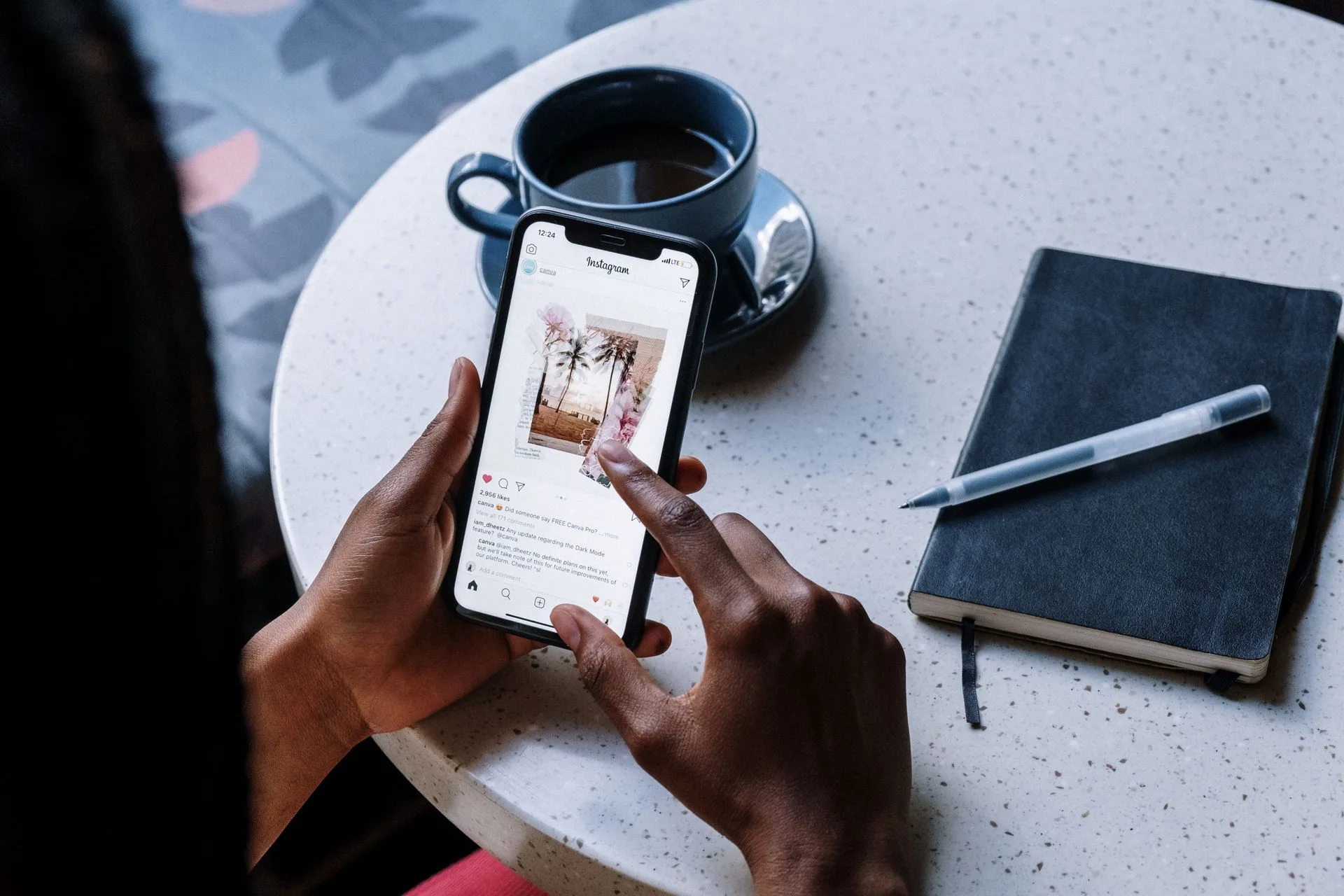
Instagram removed its Following Activity tab in 2019, so there is no longer a feed that shows what someone has liked. Likes on public posts are still public, but they are scattered across thousands of other people’s posts. Finding them by hand is impractical, and a one-off glance would be noisy anyway.
This is the gap an Instagram likes viewer fills. You add a public account, and from that day the tool records the posts and reels the account likes, then groups them into weekly and monthly reports. Instead of guessing, a partnerships team reviews a dated list of likes and the accounts a creator engages with most often.
Three questions likes can answer
1. Does the creator genuinely care about your category?
If a skincare creator’s likes are full of skincare, product reviews and dermatology content, their enthusiasm is probably real. If their likes are almost entirely about something else, the partnership may read as purely transactional to their audience, and audiences notice.
2. Are they already engaged with your competitors?
Regularly liking a rival brand’s posts is not a crime, but it matters if you are negotiating exclusivity. A pattern of likes on competitors’ launches is a reasonable topic for the briefing call.
3. Is there content you would not want your brand next to?
Brand-safety reviews usually stop at a creator’s own posts and comments. Likes extend the review to what a creator endorses with a tap, which is often where the surprises are.
A practical vetting workflow
- Shortlist on standard metrics. Audience size, demographics and engagement quality still filter out the obvious mismatches.
- Track the likes of shortlisted public accounts for two to four weeks. A single snapshot is noisy; a few weeks shows real habits. Snoopreport, for example, collects a public account’s likes into weekly and monthly reports, so the team reviews a summary rather than raw feeds.
- Compare the likes against the brief. Do the topics and accounts a creator engages with match the values and categories in the campaign brief? Note conflicts with competitors or sensitive topics.
- Discuss, don’t disqualify. Treat anything unusual as a question for the briefing call. Many apparent red flags have ordinary explanations.
- Keep watching during the campaign. Exclusivity clauses are easier to enforce when you notice early that a creator has started liking a rival’s content heavily.
The limits you need to respect
Likes are useful precisely because the method is modest about what it can prove:
- Public accounts only. Private profiles are not visible to these tools, and they should not be.
- Incomplete coverage. Instagram does not expose every action publicly, so a likes viewer captures only part of an account’s activity. A missing like is not proof that it never happened.
- What, not why. A like on a controversial post may be agreement, irony or a mis-tap. Likes start conversations; they do not settle them.
- Proportionality. Reviewing the public likes of someone you are about to pay to represent your brand is reasonable due diligence. The same technique should not be turned on people with whom you have no professional relationship.
Where this is heading
As influencer budgets grow, brand safety is moving from a reactive PR function to a pre-contract checklist, much as supplier vetting did a decade ago. AI summaries are already condensing weeks of likes into a short profile of interests and habits, which puts this kind of review within reach of small teams without a dedicated analyst.
The principle is simple: when you partner with a creator, you borrow their credibility and they borrow yours. Looking past the follower count to what someone actually likes is one of the cheapest ways to make sure that exchange is a fair one.