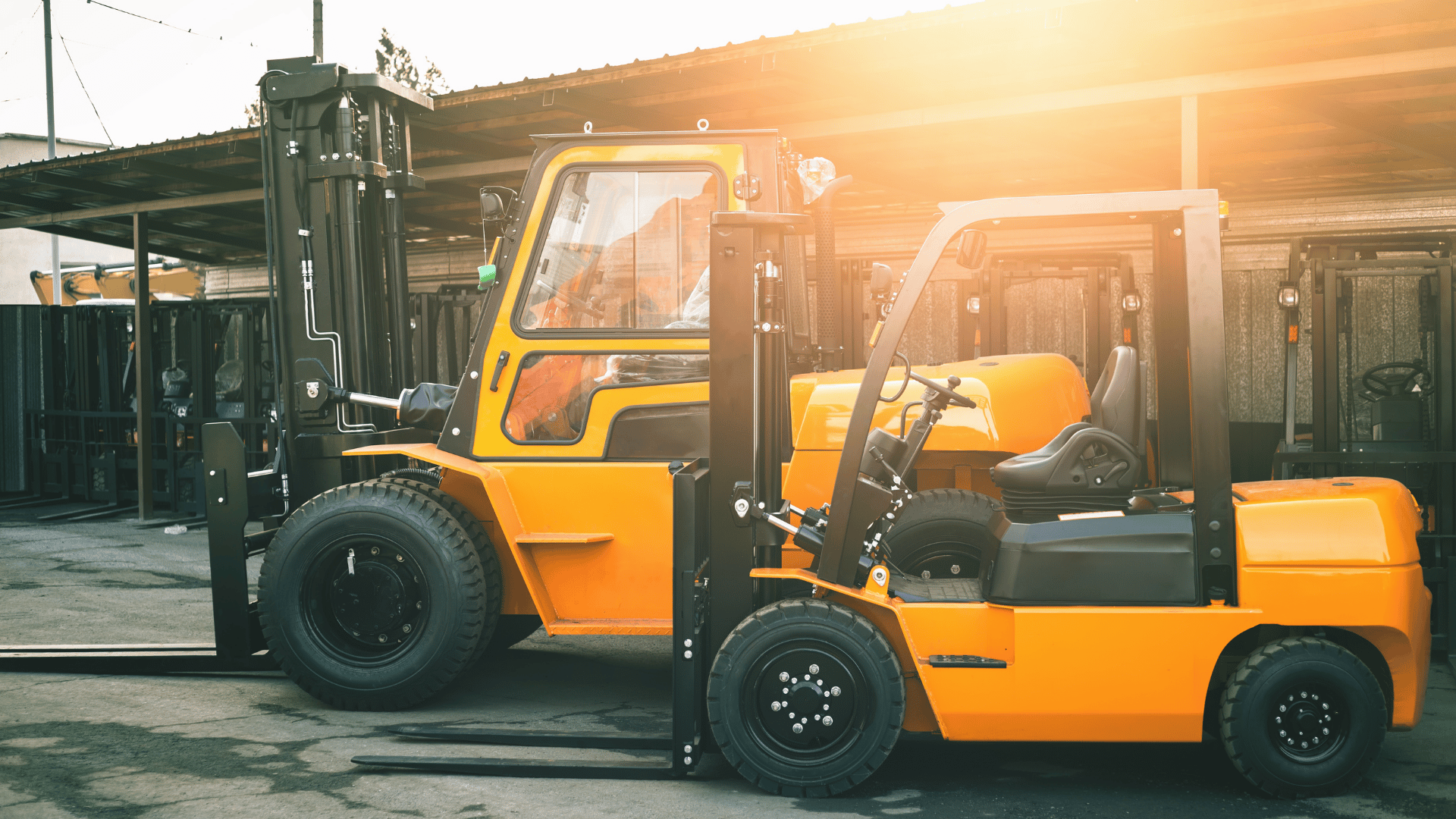
Warehouses, construction sites, and distribution centers all depend on equipment that shows up ready to perform, day after day. Forklifts carry the weight of material handling operations, and their condition directly affects output. But the machine alone is only one part of the equation. The dealer behind it plays an equally important role. A reliable supplier becomes a genuine partner, one focused on keeping equipment running, crews safe, and costs predictable. Here is how a quality forklift dealer adds value across the entire equipment lifecycle.
1. Access to Quality Equipment That Matches Operational Needs
No two facilities handle materials the same way. Aisle widths, load weights, floor surfaces, and shift lengths all vary. A knowledgeable dealer, like a Doosan forklift dealer, takes time to understand these details before suggesting a model. Instead of defaulting to a single product, they evaluate capacity needs, fuel type preferences, and the number of hours the machine will log each week. That kind of careful matching prevents expensive mistakes. Operations avoid ending up with units too large for their space or too small for their loads, and productivity stays consistent from the start.
2. Expert Guidance During the Buying Process
Material handling equipment represents a serious financial commitment. A good dealer does more than hand over a price sheet. They explain financing structures, compare lease and purchase options, and break down the total cost of ownership over the life of each unit. Working with a reputable dealer means gaining access to product specialists familiar with engine configurations, attachment options, and load chart details. That depth of knowledge helps procurement teams choose machines that satisfy both performance requirements and budget limits without compromising on either.
3. Preventive Maintenance Programs That Minimize Downtime
3.1 Scheduled Service Plans
An unplanned breakdown can stall an entire shift and send repair bills climbing. Reliable dealers offer structured maintenance agreements that cover fluid levels, brake condition, tire wear, and hydraulic system health at regular intervals. Following a set service calendar catches small problems early and keeps machines running longer before major repairs become necessary.
3.2 On-Site Technician Support
Transporting a heavy forklift to an off-site repair shop eats up time and resources. Many established dealers send certified technicians directly to the customer’s location. Repairs happen on the floor where the machine operates, so turnaround stays short, and production schedules remain intact.
4. Genuine Parts Availability
Generic replacement components might seem like a cost-saving move, but they can void warranties or introduce safety risks. A dependable dealer carries manufacturer-approved parts built for specific models. Access to authentic filters, hoses, forks, and electronic modules means repairs happen faster. For facilities managing larger fleets, parts availability is especially critical. Every hour a unit sits idle waiting for a component is an hour of lost output.
5. Operator Training and Safety Compliance
5.1 Certification Programs
Regulatory standards require forklift operators to complete formal instruction before getting behind the controls. Many qualified dealers run certification courses covering load handling, pedestrian awareness, and pre-shift inspection routines. Proper training lowers accident rates and shields businesses from fines tied to non-compliance.
5.2 Ongoing Refresher Sessions
Even experienced operators benefit from periodic skill updates. Safety regulations change, new equipment features roll out, and habits can slip over time. Dealers who offer refresher training show a level of commitment to their customers that goes well beyond the original transaction.
6. Fleet Management and Replacement Planning
Every forklift reaches a point where maintenance costs start outpacing the value it delivers. A strategic dealer helps customers monitor utilization hours, service records, and remaining resale value across their fleet. With that information in hand, operations managers can time replacements precisely, balancing capital spending against rising upkeep expenses. Trade-in programs offered by some dealers simplify the switch to newer, more efficient models without disrupting daily workflows.
7. Responsive After-Sales Support
Equipment problems rarely arrive at a convenient time. A dependable dealer keeps communication channels open for emergency repairs, warranty questions, and technical troubleshooting. The speed of that response during a critical failure is often what separates an average supplier from one that is worth keeping. Businesses running tight delivery windows or operating around the clock need confidence that help is a phone call away when it matters most.
Conclusion
The right forklift dealer offers far more than a sales counter. A trusted partner contributes directly to safer operations and stronger output through pre-purchase advice, hands-on operator training, preventive maintenance, and fleet lifecycle planning. Businesses that take the time to evaluate dealers on service quality, parts availability, and technical depth build relationships that pay off in lower costs, fewer disruptions, and equipment that performs reliably for years.