Industrial facilities consume vast amounts of power during daily operations. Unchecked energy usage drains capital away from critical plant needs. Finding unnecessary waste keeps operational costs manageable and protects equipment life.
Engineering teams use systematic reviews to find inefficiencies across complex mechanical setups. Modern methods pinpoint heavy electrical loads and direct maintenance teams toward quick repairs. Regular diagnostic checks keep heavy machinery running smoothly without sudden mechanical failures. Targeted assessments highlight underlying component stress before complete system outages happen.

The Role of System Performance Evaluation
Plant managers constantly look for ways to cut operating expenses. Running a thorough Compressed Air System Audit reveals hidden losses that regular maintenance checks routinely miss. Engineering teams then create targeted fixes based on real operational data.
Facilities often run equipment without realizing how much energy leaks into space. Simple mechanical adjustments help recover wasted capacity before upgrading machinery.
Thorough reviews give managers clear metrics for planning future infrastructure upgrades. Clear baseline data prevents overspending on unnecessary replacement parts.
Sizing and Load Variations in Facilities
Equipment capacity rarely matches day-to-day operations perfectly across industrial plants. Many systems are sized based on peak demand but rarely operate at that level consistently. This mismatch leads to excessive power usage during partial load cycles.
Engineers evaluate how machinery performs under varying work shifts to calculate actual output needs. Adjusting drive controls allows equipment to match demand fluctuations cleanly.
Matching system capacity to actual demand saves significant electrical expense every month. Facilities reduce mechanical wear on main components by avoiding continuous peak running speeds. Operational reliability improves when equipment runs at optimum design conditions.
Continuous Monitoring with Modern Tools
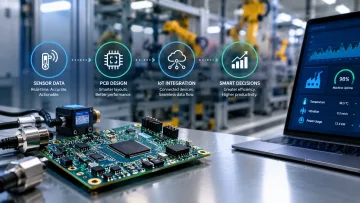
Advanced tracking technology gives engineers clear visibility into daily plant operations. Using CompAir AirInsite monitoring technology, we measure real-time compressed air consumption, assess system performance, and uncover clear opportunities for optimization and cost reduction. Digital sensors capture changes in pressure and output immediately.
Monitoring tools collect distinct operational metrics across plant networks:
- Baseline pressure levels
- Power consumption spikes
- Flow rate shifts
Engineering teams review these digital logs to pinpoint exact times when power drops occur. Fast identification of system leaks preserves overall capacity and lowers operating hours.
Tracking Demand Patterns with Data Logging
Short evaluations often miss periodic shifts in plant activity. By installing world-class data loggers within your system for up to 14 days, we will be able to build an accurate picture of how your system responds to multiple production scenarios and demands. Long tracking periods highlight demand variations across different operational schedules.
Engineers analyze the logged data to establish real baseline requirements for the whole facility. Identifying unnecessary power draw during non-production hours saves money instantly.
Data loggers provide hard evidence needed for budgeting equipment repairs or modern retrofits. Management can justify capital expenses with clear performance projections.

Modern engineering relies on systematic energy evaluations to keep plant operations efficient and profitable. Collecting accurate performance metrics gives engineers the tools needed to lower expenses.
Investing in regular reviews maintains equipment health and prevents unexpected downtime. Operations run more smoothly when systems align with actual facility demands.