Customer data linked to airport parking, lounges, fast-track services and Wi-Fi registrations has been exposed, prompting warnings that criminals could use the information to build more convincing scams.
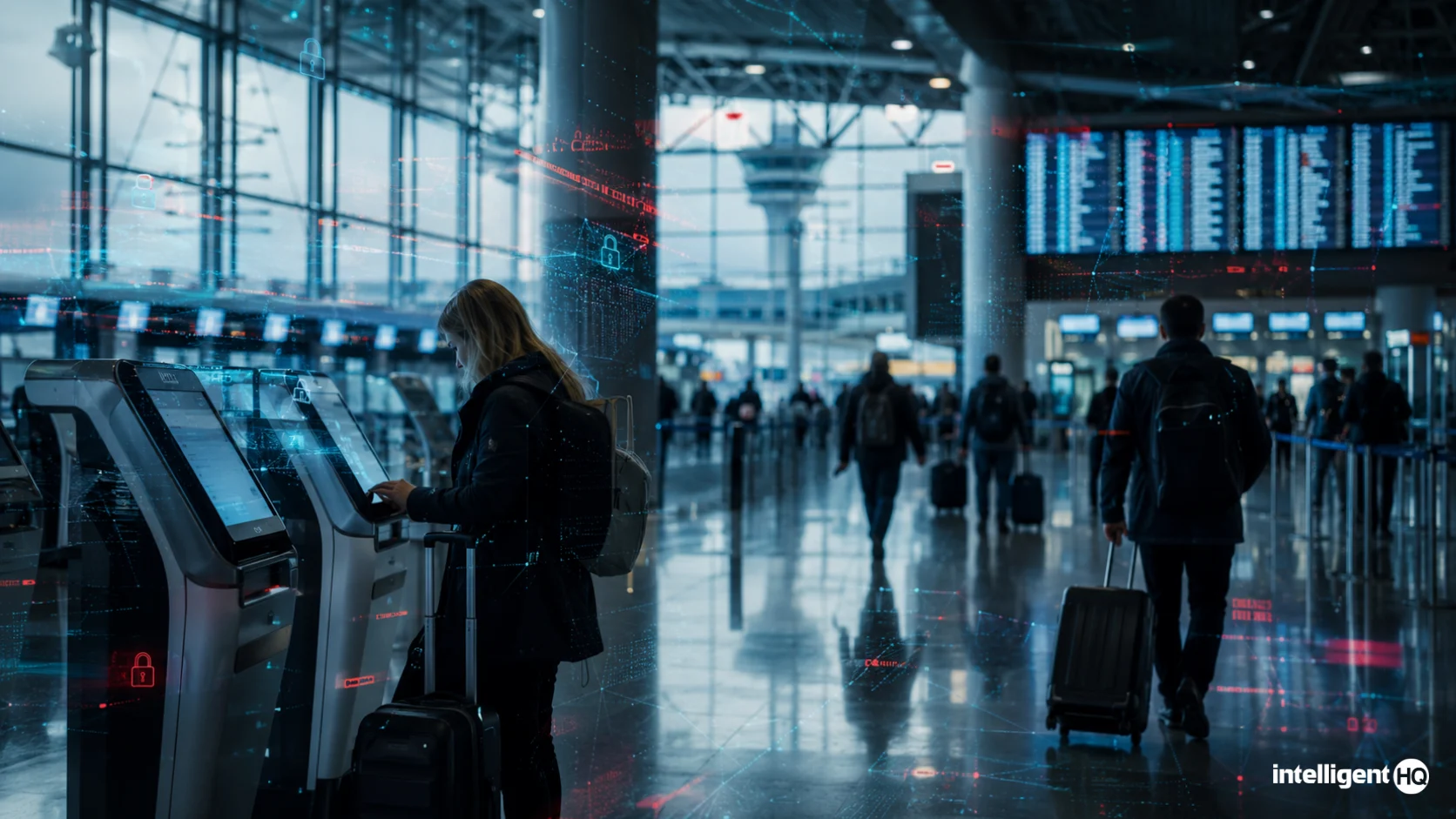
A cyber attack affecting three UK airports has exposed customer information including email addresses, phone numbers, postcodes and vehicle registration details.
The breach affected data connected to services such as car parking, lounge bookings, fast-track access and in-airport Wi-Fi sign-ups. Payment and banking information was not reported as compromised, but cybersecurity experts have warned that the stolen information could still be valuable to criminals.
John Pepper, CEO and founder of Managed247, said the greatest risk may come from what attackers do with the data next.
“An email address on its own might not seem particularly sensitive, but combine it with a phone number, postcode, vehicle registration and knowledge that someone has used an airport service, and you have a much more convincing basis for impersonation.”
Why the Stolen Data Still Matters
The concern is not that the breach immediately gives criminals access to a customer’s bank account. It is that the information can make future phishing attempts look more believable.
A scammer could pose as an airport, parking provider, travel company or Wi-Fi service and use genuine personal details to establish trust. They may then try to obtain passwords, payment information or access to an online account.
Pepper warned that customers should not assume a message is genuine simply because the sender appears to know details such as a vehicle registration number, postcode or recent travel information.
That is especially important because criminals can combine data from several breaches. A phone number taken from one incident and an email address or account detail from another can be used to build a much fuller profile of a person.
Airports Warn Customers About Unexpected Contact
The affected airports have advised customers to be cautious of unexpected emails, calls or text messages, particularly if they ask for payment or banking information.
Pepper said urgency is often a warning sign. Customers should avoid clicking through links in unsolicited messages and instead go directly to an organisation’s official website or use a trusted phone number to verify the request.
The fact that a message contains real information does not make it legitimate.
The Risk Can Continue After the Breach Is Contained
One of the more difficult aspects of a data breach is that the danger does not necessarily end when the original attack is stopped.
For the organisation, the priority is to understand exactly what was accessed, investigate whether attackers still have access to systems and monitor for further compromise.
For customers, the stolen information may remain useful for much longer.
Pepper said the data could become raw material for more targeted phishing, social engineering, fraud or identity theft. In some cases, criminals may wait weeks or months before using it.
That means customers who believe they were affected should remain alert even after the incident is no longer making headlines.
A Wider Cybersecurity Problem
The incident also shows how apparently ordinary personal data can become valuable when several pieces are combined.
Email addresses, phone numbers and postcodes are often treated as relatively low-risk information. But when they are connected to travel activity, vehicle registrations and specific airport services, they can help criminals create a convincing story.
This is one reason data breaches are increasingly becoming an intelligence problem as much as a security problem.
The more information organisations collect about customers, the more useful those datasets can become if they are stolen and combined with information from elsewhere.
What Customers Should Do
Customers who may have been affected should be cautious with unexpected contact, especially where a message asks them to act quickly or provide additional information.
They should verify requests independently, avoid links sent in unsolicited messages and monitor accounts for unusual activity.
The key point is simple: a sender knowing genuine personal details does not prove that the sender is genuine.
About Managed247
Managed247 is a UK-based provider of managed IT and cybersecurity services.