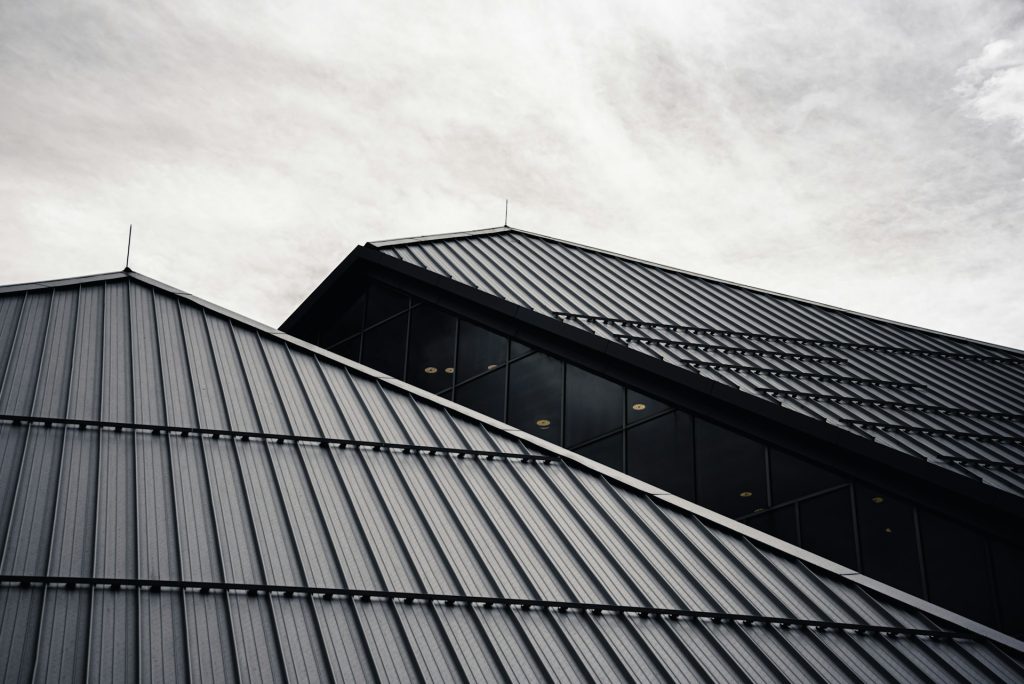
A commercial roof represents one of the most significant investments for any business. Beyond providing shelter, it safeguards assets, employees, and daily operations. Maximizing its longevity requires a combination of routine care, timely inspections, and strategic upgrades. By understanding what factors influence roof health and acting proactively, businesses can extend performance while minimizing costly disruptions.
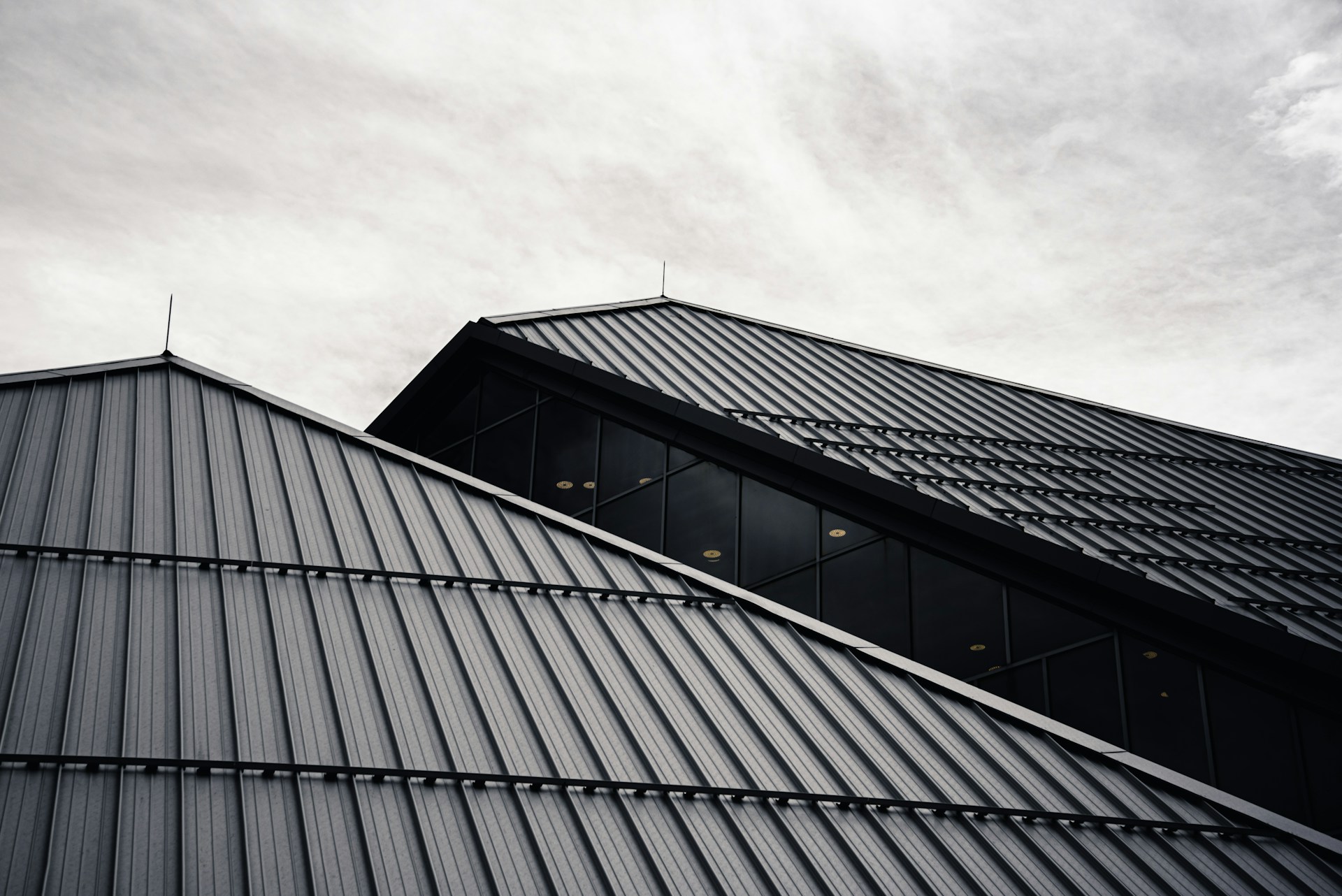
Conduct Regular Roof Inspections
Scheduling consistent inspections is the cornerstone of roof maintenance. Industry studies show that roofs checked twice a year tend to last up to 40% longer than those that are not maintained. Inspections help identify early signs of trouble, from minor leaks to punctures caused by debris. Addressing these issues promptly prevents them from escalating into structural damage. A detailed inspection should include the membrane, flashing, drainage systems, and rooftop equipment, as these areas often harbor the first warning signs of deterioration.
Seasonal changes play a large role as well. After storms or harsh winters, inspections reveal damage that might otherwise remain hidden. Acting on these findings promptly reduces risks and saves on future repair expenses. Many businesses schedule inspections in both spring and fall, ensuring that roofs are prepared for weather extremes. Documenting these inspections also provides proof of due diligence, which can be valuable for insurance purposes.
Prioritize Preventive Maintenance
Preventive maintenance significantly enhances roof performance. Routine cleaning of drains and gutters prevents water buildup, which is one of the primary causes of roof failure. Similarly, removing leaves, dirt, and other debris reduces the chance of mold growth and moisture damage. Businesses often underestimate the impact of clogged drainage systems until water begins pooling and infiltrating the interior.
Preventive tasks also involve sealing cracks and reinforcing vulnerable areas. Hiring contractors who specialize in professional roof repair for businesses ensures that preventive measures meet industry standards. Their expertise reduces downtime and helps extend the life of the roof through targeted, proactive interventions. Over time, preventive maintenance becomes more cost-effective than large-scale repairs, saving companies thousands of dollars. Employees also benefit from fewer disruptions, since major repairs can be avoided with consistent upkeep.
Address Minor Repairs Without Delay
Small problems often turn into major financial burdens if left untreated. A seemingly minor puncture from windblown debris can allow water infiltration, leading to insulation damage and higher energy costs. Studies suggest that repairing small leaks quickly can reduce overall repair expenses by up to 50%. The earlier these problems are caught, the easier they are to fix with minimal materials and labor.
Immediate attention also preserves warranty coverage. Many manufacturers require prompt repairs to maintain validity, meaning delays could lead to denied claims. By tackling minor issues as soon as they appear, businesses protect both their roof and their bottom line. Quick repairs also limit liability risks, as water damage can create safety hazards for employees or visitors. In many cases, addressing repairs quickly enhances energy efficiency, since intact insulation and roofing materials perform better.
Choose the Right Materials for Your Climate
The type of roofing material plays a critical role in longevity. A roof designed for one climate may not perform well in another. For instance, single-ply membranes may excel in moderate environments, while metal roofing offers durability in regions with high winds. Reflective coatings prove valuable in hot climates by reducing energy demands and minimizing thermal stress.
Considering local weather conditions ensures the roof remains resilient over time. Consulting with roofing professionals helps identify materials that balance durability, energy efficiency, and long-term value. Choosing the right materials from the start reduces the frequency of repairs and replacements. By tailoring materials to the environment, businesses invest in both longevity and sustainability.
Implement Energy-Efficient Upgrades
Energy-efficient upgrades not only lower utility bills but also improve roof longevity. Reflective coatings, also known as cool roof systems, minimize heat absorption and reduce strain on the roof membrane. Lower rooftop temperatures extend the life of materials, especially in areas with prolonged exposure to the sun. Studies from the U.S. Department of Energy show that cool roofs can reduce energy use by up to 15% during peak summer months.
Insulation upgrades also play an important role. By reducing temperature fluctuations, insulation lessens the expansion and contraction that often lead to cracks. These upgrades deliver financial savings while extending roof durability, making them a smart investment for forward-thinking businesses. Energy-efficient improvements can also qualify for tax incentives or rebates, further lowering long-term costs. The combination of cost savings and durability makes energy upgrades one of the most practical strategies for extending roof lifespan.
Work With Experienced Roofing Contractors
Partnering with experienced contractors ensures quality outcomes in every aspect of roof management. From inspections to full replacements, knowledgeable professionals bring insights that prevent costly oversights. Reliable contractors also maintain detailed service records, giving businesses a clear history of roof performance and maintenance. These records can help during audits or insurance claims, providing proof of ongoing upkeep.
Building long-term relationships with trusted providers offers consistency and peace of mind. Contractors familiar with a roof’s history can anticipate future needs, schedule timely interventions, and ensure compliance with safety standards. This partnership often proves invaluable during emergencies, when fast and informed decisions make the difference between minor inconvenience and operational downtime.
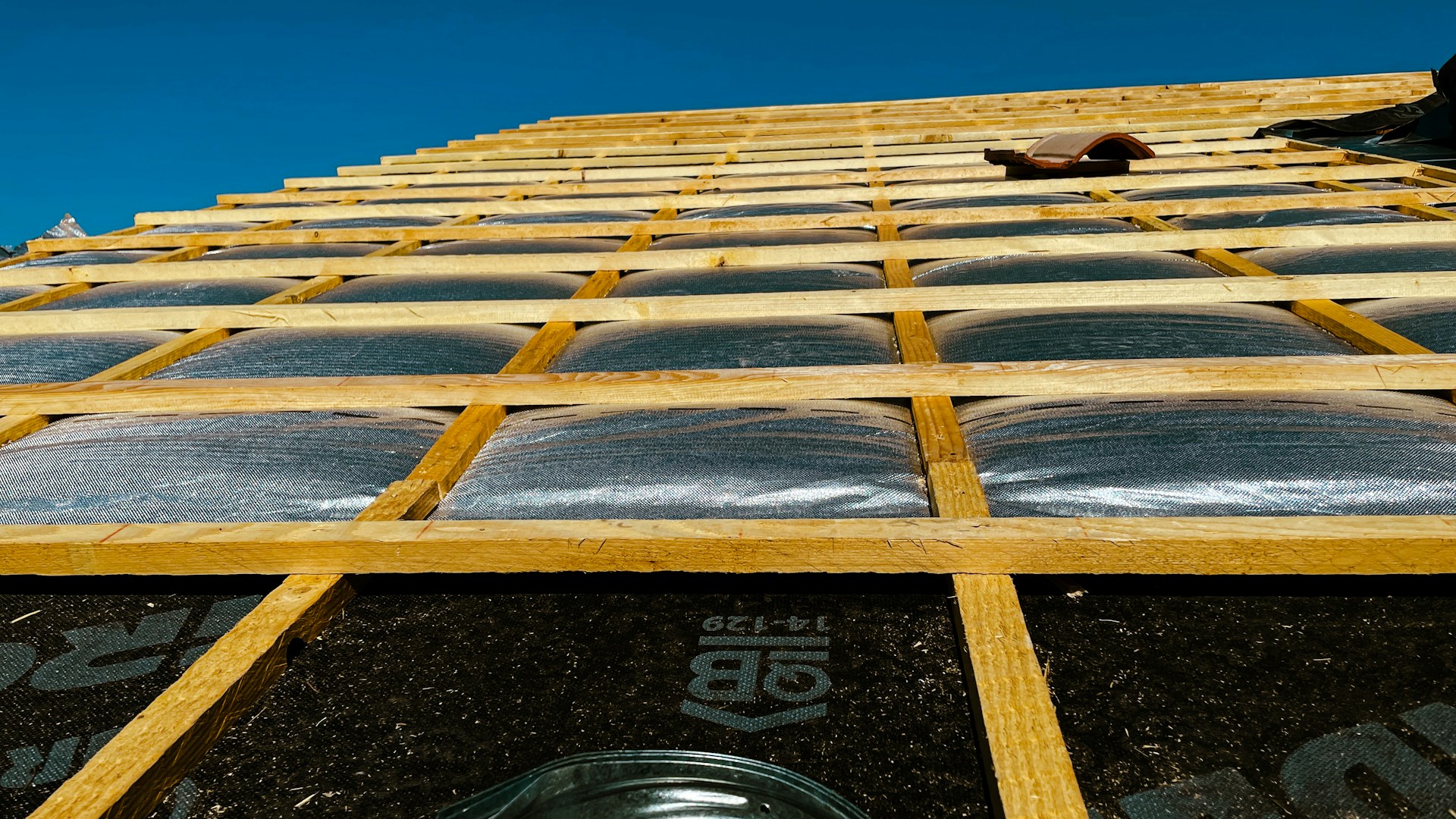
Prolonging the lifespan of a commercial roof requires dedication, proactive planning, and strategic investment. Regular inspections, preventive maintenance, and timely repairs all work together to protect assets and avoid costly disruptions. By investing in the right materials, embracing energy-efficient upgrades, and relying on skilled contractors, businesses can ensure their roofs deliver reliable performance for years to come.

Founder Dinis Guarda
IntelligentHQ Your New Business Network.
IntelligentHQ is a Business network and an expert source for finance, capital markets and intelligence for thousands of global business professionals, startups, and companies.
We exist at the point of intersection between technology, social media, finance and innovation.
IntelligentHQ leverages innovation and scale of social digital technology, analytics, news, and distribution to create an unparalleled, full digital medium and social business networks spectrum.
IntelligentHQ is working hard, to become a trusted, and indispensable source of business news and analytics, within financial services and its associated supply chains and ecosystems