
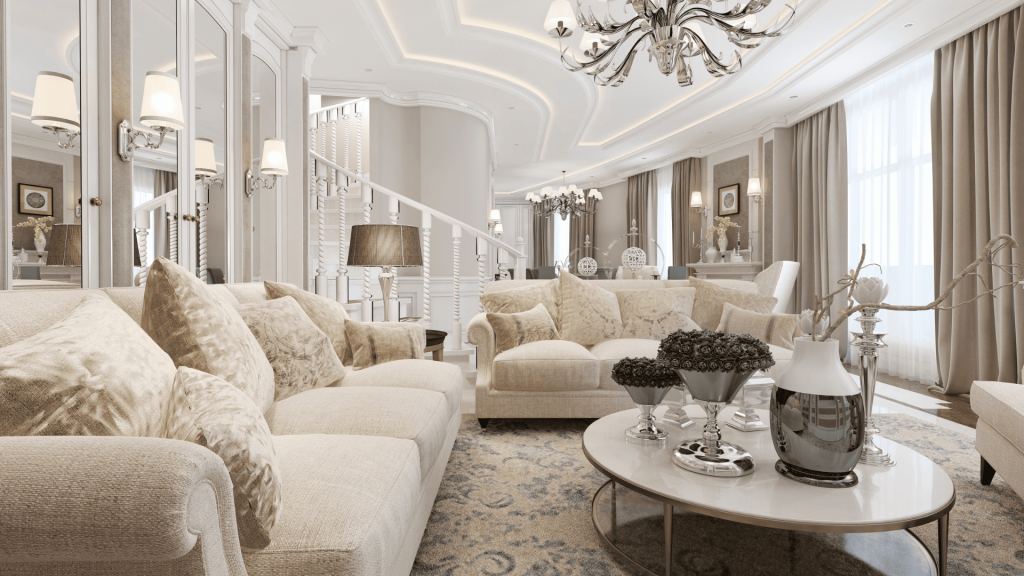
There’s something undeniably captivating about classic luxury furniture. While interior design trends come and go faster than ever, the timeless sophistication of handcrafted, meticulously detailed pieces continues to hold a special place in the hearts of homeowners, collectors, and designers alike. Today, the world of luxury interiors is witnessing a fascinating revival of classical aesthetics—yet with a fresh, modern twist that feels right at home in contemporary spaces.
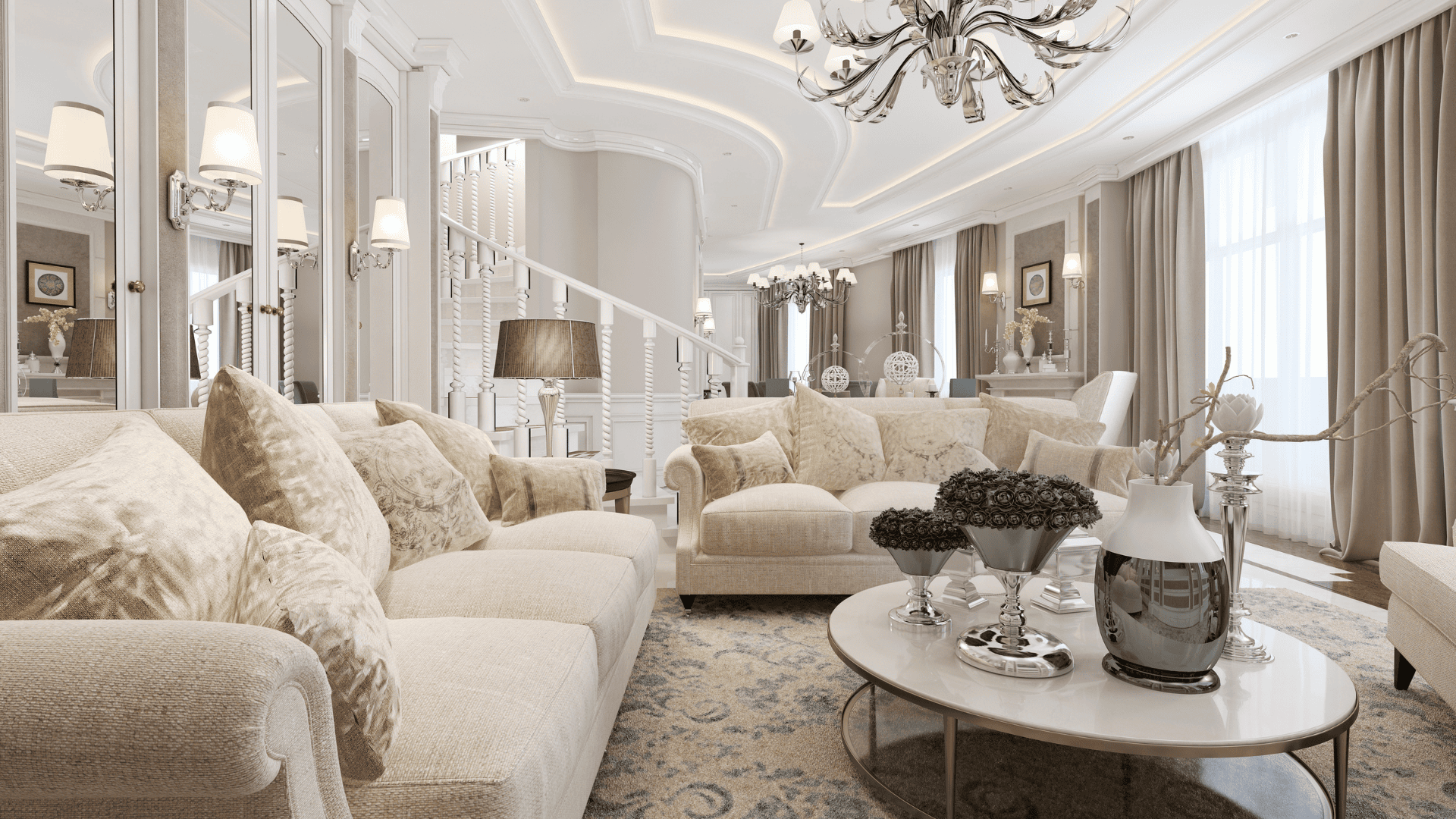
A renewed appreciation for craftsmanship
In a world increasingly dominated by fast furniture and mass production, there’s a growing longing for authenticity. People want to feel connected to the stories behind their furniture—the artisan’s touch, the carefully chosen wood grain, the delicate gold leaf finish that took hours to perfect.
This resurgence of appreciation for craftsmanship isn’t just nostalgia; it’s a conscious shift toward quality and sustainability. Instead of disposable furniture, homeowners are investing in heirloom pieces that will last a lifetime. And this is where classic luxury furniture truly shines. Each table, cabinet, or chandelier is more than a decorative object—it’s a statement of heritage and enduring artistry.
Blending tradition with modern lifestyles
Modern living has changed the way we use our spaces, and luxury furniture design is adapting beautifully. Classic doesn’t have to mean heavy or outdated. Today’s designers are finding ways to reinterpret traditional aesthetics through softer silhouettes, lighter tones, and multifunctional layouts.
Think of elegant Louis XVI-inspired chairs paired with minimalist lighting, or a grand mahogany dining table surrounded by contemporary art. This balance between old and new is redefining what “classic” means—it’s less about rigid adherence to historical styles and more about celebrating timeless beauty in a modern context.
Luxury brands like Mariner Luxury perfectly embody this philosophy. Known for their exquisite craftsmanship and dedication to artistic excellence, they blend traditional Spanish design with modern sensibilities, creating furniture collections that exude both elegance and personality. Each piece feels like a bridge between eras—a harmony of classic soul and contemporary functionality.
The rise of warm tones and natural textures
While the past few years were dominated by minimalism and cool neutrals, luxury interiors are now embracing warmth. Earthy tones—such as deep walnut, creamy beige, and antique gold—are making a comeback. These colors not only evoke comfort but also complement the richness of traditional materials like marble, brass, and fine wood veneers.
Velvet and silk, long associated with opulence, are also reappearing in upholstery and drapery, often in soft, inviting shades. The idea is to create a space that feels luxurious yet livable—a sanctuary that reflects refined taste without being intimidating. Classic luxury furniture, with its emphasis on balance and proportion, naturally lends itself to this aesthetic.
Bespoke design and personalization
Another powerful trend in luxury interiors is personalization. Homeowners today want pieces that reflect their individuality. Whether it’s a custom-made armoire with intricate inlays or a hand-carved mirror designed to fit a specific wall, bespoke furniture allows people to tell their own stories through design.
This shift toward customization has encouraged artisans and brands to collaborate more closely with clients, ensuring every piece becomes a reflection of the owner’s vision. In this sense, luxury furniture goes beyond beauty—it becomes an emotional experience, a personal connection between maker and homeowner.
The role of sustainability in luxury furniture
Sustainability might not be the first word that comes to mind when we think of classic luxury, but it’s becoming an essential part of the conversation. The new generation of luxury consumers values responsibility as much as refinement.
High-end brands are embracing eco-conscious practices by sourcing sustainable woods, using non-toxic finishes, and ensuring ethical production. The emphasis is on creating lasting beauty without compromising the planet. In fact, because luxury furniture is built to endure for decades, it’s inherently more sustainable than fast furniture alternatives. Each piece is designed to age gracefully, becoming more valuable over time.
Mixing materials for depth and character
Today’s classic interiors are far from one-dimensional. Designers are experimenting with mixing materials to add layers of texture and visual interest. You might see a marble-top console with bronze detailing, or a crystal chandelier hanging over a reclaimed oak table.
This eclectic mix allows for greater creativity, making each room feel unique while maintaining an air of sophistication. The result is a dynamic interplay of light, color, and texture that feels both modern and timeless—a perfect reflection of where luxury design is headed.
Why classic luxury will never go out of style?
Trends evolve, but true elegance never fades. Classic luxury furniture represents the perfect blend of art, function, and emotion. It tells stories, honors craftsmanship, and connects us to a tradition that values beauty in every detail.
Even as technology reshapes our lives, our homes remain deeply personal spaces where we seek comfort and identity. And in those spaces, the allure of finely crafted furniture—pieces that whisper history and radiate warmth—will always endure.
Choosing classic luxury furniture is more than a design decision; it’s an investment in legacy. It’s about surrounding yourself with objects that inspire, comfort, and endure—objects that make your home feel alive with history and meaning.

Shikha Negi is a Content Writer at ztudium with expertise in writing and proofreading content. Having created more than 500 articles encompassing a diverse range of educational topics, from breaking news to in-depth analysis and long-form content, Shikha has a deep understanding of emerging trends in business, technology (including AI, blockchain, and the metaverse), and societal shifts, As the author at Sarvgyan News, Shikha has demonstrated expertise in crafting engaging and informative content tailored for various audiences, including students, educators, and professionals.










