Expanding into new markets is a big step for any healthcare organization. One of the first decisions leaders have to make is whether to buy an existing hospital or build a new one from the ground up. Both options have benefits, but they also come with different challenges. PAM Health recently announced plans to build four new rehabilitation hospitals across several states, bringing attention to the advantages of new construction. Building a hospital from scratch gives organizations the opportunity to create a facility that meets their needs from the very beginning while supporting long-term growth and patient care goals.
Overcoming Legacy Constraints Through Purpose-Built Design
Buying an existing hospital can be a fast way to expand, however it often comes with challenges. Many older hospitals were built years ago and may not have the space, technology, or layout needed for modern patient care. This can make it harder for staff to do their jobs and can create problems when adding new equipment or services.
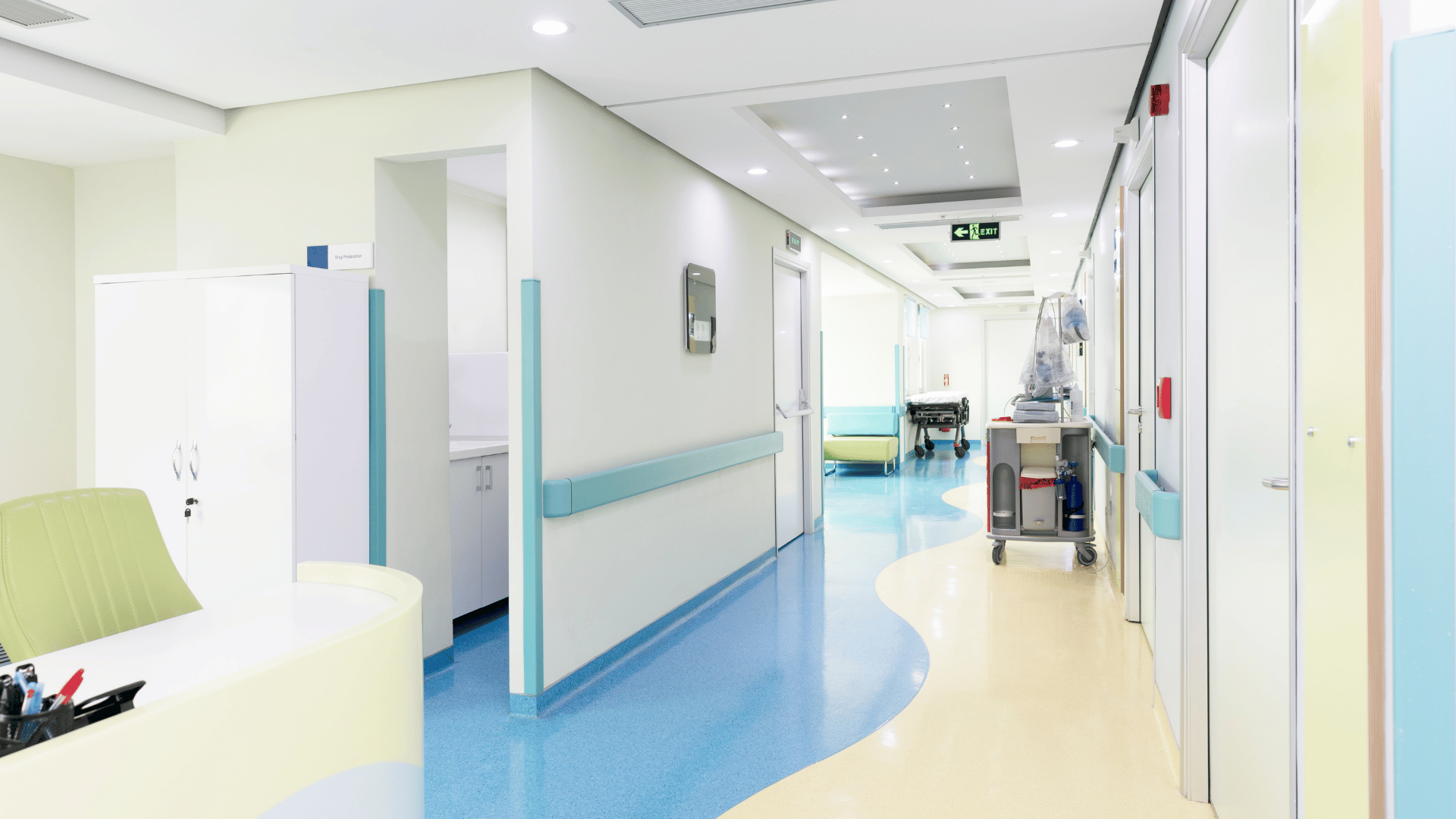
Building a new rehabilitation hospital gives healthcare organizations the chance to start fresh. Every part of the facility can be designed with patients and employees in mind. This can include larger therapy areas, wider hallways, and updated technology. Building from the ground up may take more time, but it allows organizations to create a hospital that is ready to provide quality care from day one.
Geographic Agility and Market Demand Matching
Acquisitions are opportunistic and rarely fit a company’s broader expansion goals. By building from scratch, the organization could place facilities exactly where demographics, patient-to-bed ratios, and payer demand aligned best. This greenfield strategy secured dominant market shares from day one, entirely avoiding the bad contracts and tarnished reputations of existing operators.
Building a new hospital also helps healthcare organizations choose the best location. Instead of taking over a hospital that is already there, they can build in a community that needs more healthcare services. This gives them the chance to serve more patients and meet the needs of the area. Building in the right location can also help the hospital grow over time. Patients benefit because they have better access to care, and the organization benefits because it can expand in a place where services are needed most.
Mitigating Compliance Risks and Legal Liabilities
Buying an existing hospital can come with more than just a building. It can also come with old problems, such as billing issues, legal concerns, or rules that were not followed correctly. These problems can take a lot of time and money to fix. They can also slow down the process of opening or improving the hospital.
Building a new facility gives healthcare organizations more control from the start. The building can be designed to meet current healthcare rules, safety standards, and accessibility needs. It can also include modern systems that help protect patients and support staff. Building new may take planning, however it can create a smoother path toward opening and providing care.
Creating a Scalable Operational Model
Building multiple facilities from the ground up also creates an opportunity to establish a consistent operational framework across locations. When hospitals are designed using similar layouts, technology systems, and clinical workflows, staff training becomes more efficient, and best practices can be replicated more easily. This level of standardization can help reduce operational complexity while improving communication and coordination across the organization.
A scalable model also makes future growth more manageable. Rather than integrating facilities with diverse cultures, infrastructure, and processes, leadership can expand by using a proven blueprint aligned with organizational goals. As healthcare demands continue to evolve, facilities built around a unified operating strategy may be better positioned to adapt, maintain quality standards, and deliver a consistent patient experience across multiple markets.
Strengthening Brand Identity Through New Development
Constructing new facilities allows healthcare organizations to establish a consistent brand presence from the outset. Every aspect of the hospital—from its architecture and interior design to patient amenities and technology infrastructure—can be aligned with the organization’s vision and standards. This creates a more cohesive experience for patients, families, and staff while reinforcing the organization’s reputation in new markets.
A purpose-built facility also offers the opportunity to make a strong first impression within the community. Rather than inheriting perceptions associated with a previous operator, a newly developed hospital can introduce its own culture, care philosophy, and service model from day one. Over time, this clean slate can help build trust, strengthen community relationships, and support long-term brand recognition in a competitive healthcare environment.
The Long-Term Valuation Advantage
Building new rehabilitation hospitals requires significant upfront investment, but it can also create long-term strategic value. Purpose-built facilities give healthcare organizations like PAM Health greater control over design, operations, patient experience, and future scalability. By avoiding many of the limitations associated with older buildings, new construction can support more efficient care delivery and provide a stronger foundation for sustainable growth.