A 20-second clip on a neighbor’s porch camera can decide whether you spend the night in your bed or in a holding cell. The first thing a prosecutor asks in a stranger-on-stranger case is no longer ‘who saw it’ but ‘whose doorbell was pointed at it.’ The first thing a defense lawyer asks is whether that clip is complete, correctly timestamped, and preserved in a form a judge will accept.
Video doorbells are now standard household hardware on a lot of streets, and that saturation has rewired what the opening moves of a criminal case look like for both sides.
The Doorbell Now Sits at the Center of the Early Case File
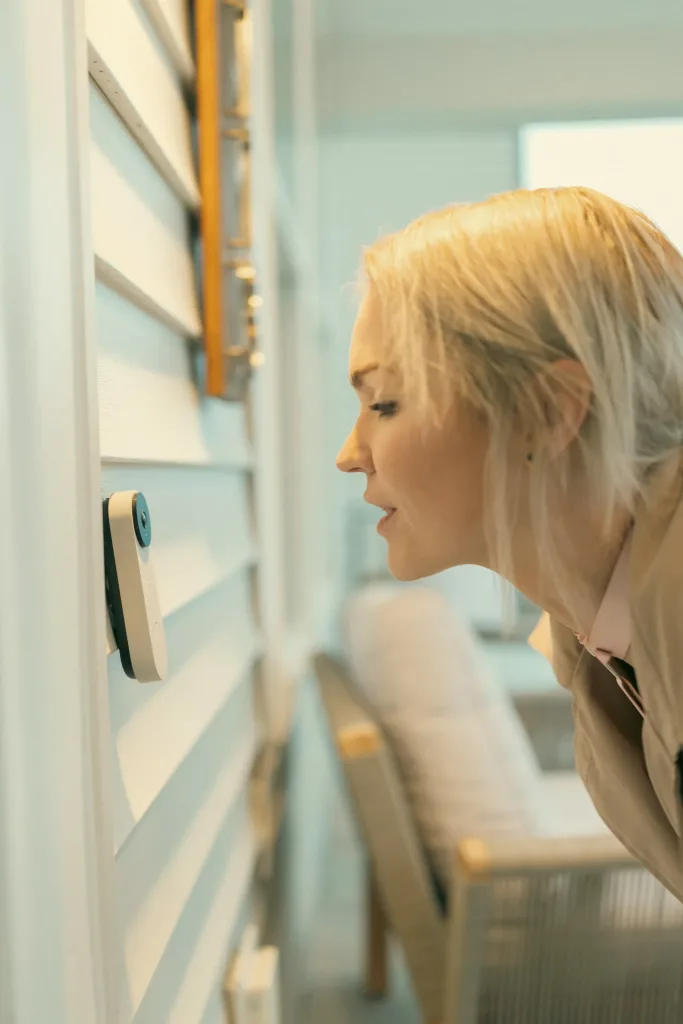
Detectives used to spend the first 48 hours knocking on doors for witnesses. Now they walk the block looking for porch cameras and building a footage map. A single suburban street can produce a dozen overlapping angles: a package theft caught from two houses down, a headlight pattern that matches a suspect vehicle, a jogger whose route timestamps an alibi to the minute.
That shift is not hypothetical. A prosecutor’s guide published in late 2024 walks line prosecutors through exactly how to identify doorbell footage, request it, authenticate it, and get it in front of a jury. When the state publishes a playbook, the defense has to assume it’s being used.
Why ‘Just Get the Video’ Is Not the Fix Either Side Thinks It Is
The intuitive answer, on both sides, is that video settles it. A doorbell clip is a small, motion-triggered window onto a much longer event, and almost every meaningful fight in the early case is about what the clip is missing rather than what it shows.
None of that makes the video useless. The video is a starting point that has to be tested, not a verdict that walks itself into the courtroom.
How the Footage Actually Reaches the Prosecutor
There are three routes, and each one carries a different fight. The homeowner can hand it over voluntarily, often through a neighborhood app request. Police can serve a warrant or subpoena on the platform. And in narrow circumstances, the platform can push footage to law enforcement without any warrant at all, when it believes there’s an imminent threat to life.
The voluntary lane is bigger than most defendants realize. In 2025, Consumer Reports documented Ring rolling out a new program that lets police request user clips through the Neighbors app, mirroring an earlier tool the company had shut down in 2024. A homeowner tapping ‘share’ can move footage into an evidence system faster than any court process can move it.
What Actually Works in the First 72 Hours
The window to shape what evidence exists at trial is narrow, and it closes on a schedule set by cloud providers, not lawyers. Whether you’re the person accused or the person whose porch caught something, the practical moves are the same, and they’re boring on purpose.
Authentication Is Where Most of These Cases Get Decided
Getting a clip is the easy part. Getting it admitted, and getting the jury to trust it, is the fight. Evidence rules across most jurisdictions require a proponent to show the video is what they say it is, usually through a witness with knowledge of how it was captured, stored, and produced. Someone has to speak to the camera’s settings, the account, the download chain, and whether the file has been altered.
Defense counsel who take authentication seriously can force the state to prove each of those links, and the state often can’t. A clip pulled from a neighbor’s phone, forwarded through a group chat, screen-recorded, and dropped into a case file has traveled through four hands and shed most of its metadata along the way. A judge who takes the foundation requirement seriously will notice.
The doorbell hasn’t replaced the witness, the confession, or the physical evidence. It’s added a new layer that both sides now race to control in the first days of a case. Anyone facing charges built around a porch-camera clip should talk to a criminal defense attorney early, because the side that moves faster on preservation, authentication, and the missing footage tends to be the side that likes how the trial ends.