Summer’s sweltering heat and severe traffic congestion make a perfect storm for unexpected vehicle breakdowns. For many drivers, a rising temperature gauge is a minor inconvenience. But ignoring an overheated vehicle in summer traffic can create serious safety risks for everyone on the road. When engine failure strikes suddenly on the open highway or in stop-and-go traffic, a breakdown quickly becomes a life-threatening emergency. If a catastrophic engine failure causes a severe collision, reaching out to Colburn Law car accident lawyers can help you navigate the complex aftermath and secure the compensation you deserve.
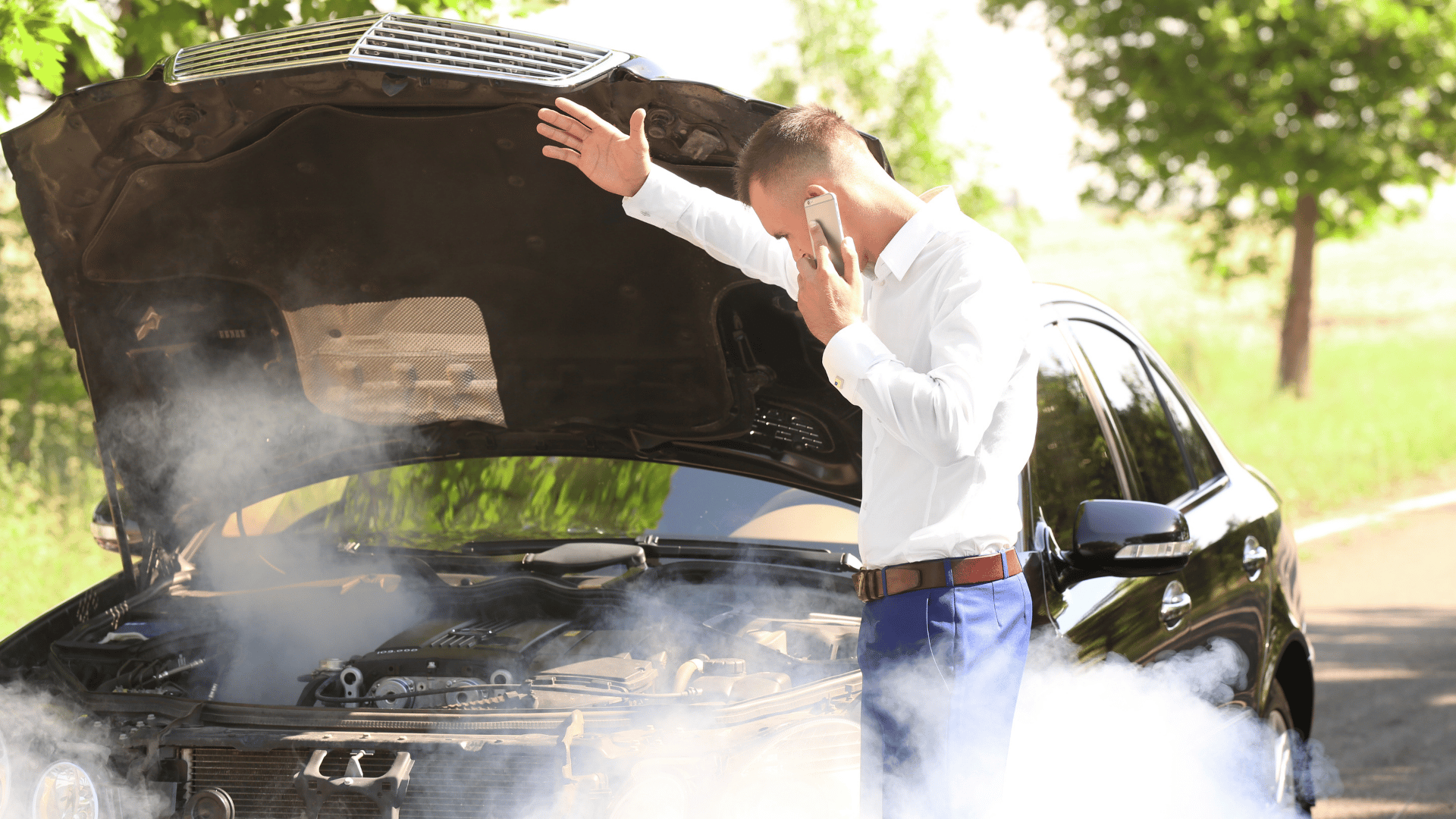
What Happens When Temperatures Under The Hood Spike
Ignoring an overheating engine can fry its internal parts and risk total failure. If it dies, you instantly lose steering and brakes, turning your car into an uncontrollable hazard. For drivers navigating complex interstate systems, understanding how to maintain critical vehicle systems is essential for preventing sudden highway breakdowns and maintaining overall road safety. Under the hood, mechanical failures have a cascading effect, and a small warning light on the dashboard can escalate to a complete loss of vehicular control within minutes.
The Immediate Safety Risks to Drivers and Passengers
A dead engine is more than just a costly repair; it’s an immediate safety hazard. If your car stalls out in the middle of heavy traffic, you and your passengers become sitting ducks for rear-end crashes from drivers who don’t realize you’ve completely stopped. To make matters worse, as the engine temperature climbs, the vehicle’s air conditioning system is usually the first luxury to automatically shut down or blow hot air, turning the cabin into an absolute oven. In the peak of a summer heatwave, the interior temperature of a stalled car with the windows up can reach lethal levels in a staggeringly short amount of time, exposing vulnerable passengers (especially children and the elderly) to severe heat exhaustion or heatstroke. Additionally, an overheating engine often forces thick, blinding white steam out from under the hood and onto the windshield. The sudden blast of steam totally obscures the driver’s forward view, making it almost impossible to safely steer the disabled vehicle to the shoulder of the road without scraping other cars or hitting concrete barriers.
Preventing Catastrophe and Knowing When to Pull Over
The key to preventing a catastrophic summer breakdown is remaining vigilant and knowing exactly how to react the moment your dashboard warns you of an impending problem. Drivers should routinely monitor their temperature gauge, especially when running the air conditioning on maximum output while idling in heavy afternoon traffic. If your temperature gauge goes into the red, or you smell something sweet or hear hissing coming from the hood, act quickly. Kill the A/C, turn on your hazards, and pull over safely. Shut the engine off immediately to avoid frying it, then call for a tow. Recognizing these warning signs and responding proactively is vital, as extreme heat conditions can drastically alter the safety dynamics of any travel situation. Don’t risk a major crash or an engine fire just to limp the car those last few miles home.
Keep Yourself and Your Family Safe on the Road
Ignoring an overheating vehicle during the sweltering summer months is a massive gamble that risks far more than just expensive mechanic bills. A sudden engine failure in heavy traffic jeopardizes the lives of your passengers and every other driver sharing the road with you. By paying attention to your dashboard and pulling over safely at the first sign of trouble, you can prevent terrible tragedies and avoid being stranded on a dangerous highway. If negligence on the road does lead to an unfortunate crash, the experienced team at Colburn Law car accident lawyers is available to protect your rights and help you rebuild.