In recent years, the way people think about health has shifted dramatically. Instead of relying solely on doctors, prescriptions, and traditional wellness advice, many individuals are experimenting with their own bodies and lifestyles to achieve better performance, energy, and longevity. This movement—known as biohacking—is growing quickly, and it’s changing the way consumers interact with the health and wellness industry.
Biohacking may sound like something from a science fiction movie, but in reality, it’s a broad term that covers a wide range of practices. At its core, biohacking is about self-optimization: using science, technology, and data to make small adjustments that lead to big improvements in daily life.
What Exactly Is Biohacking?
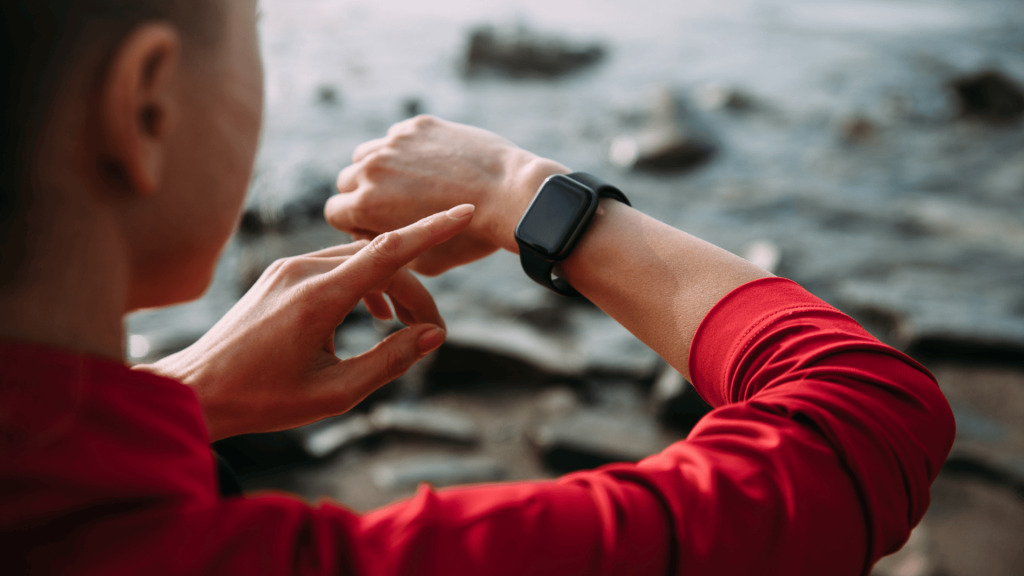
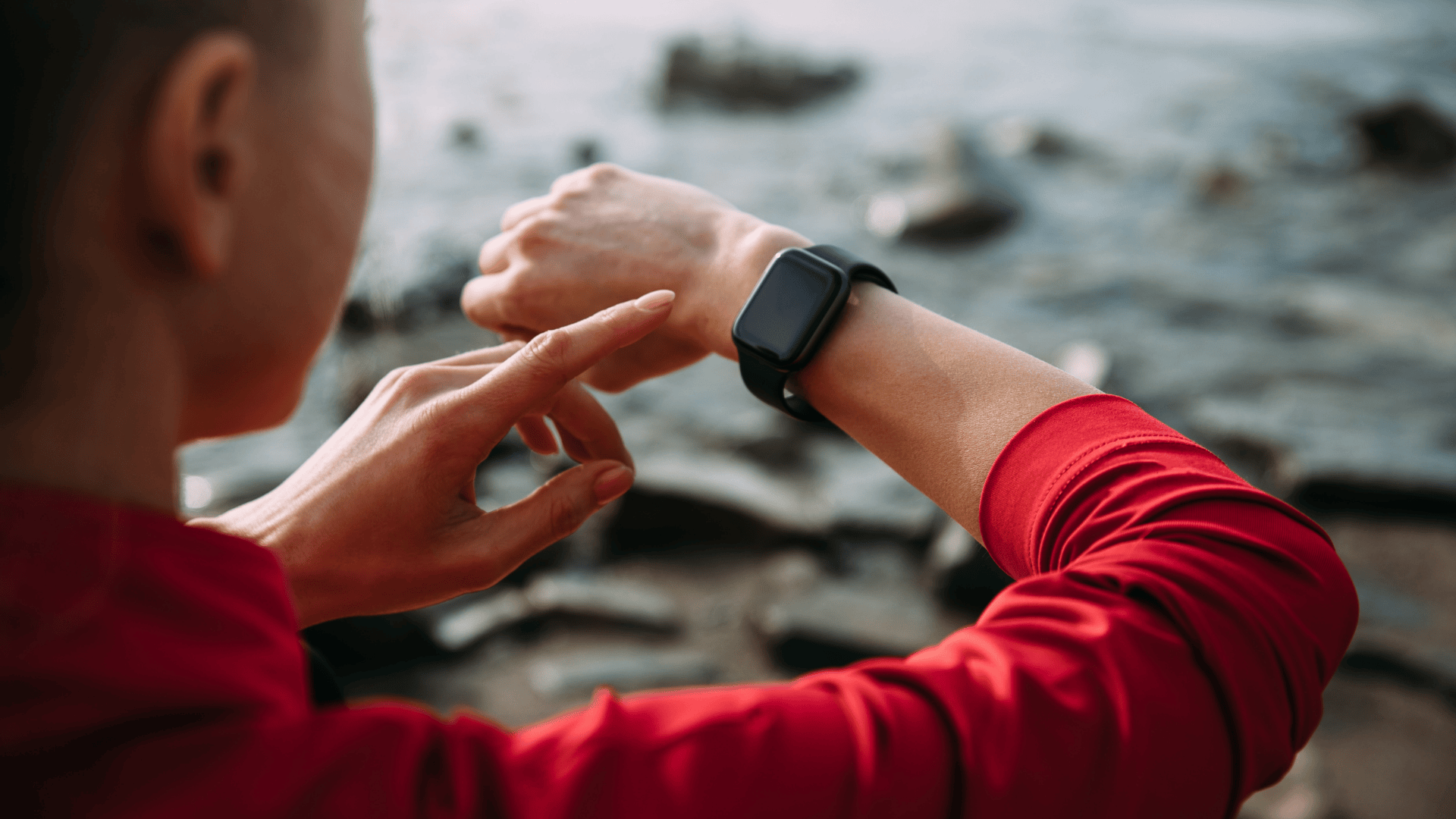
Biohacking is the practice of changing your biology through intentional strategies, whether that’s by adjusting your diet, improving your sleep, or using advanced technology. For some, it’s as simple as wearing a fitness tracker to better understand how much they move, sleep, or recover. For others, it involves more advanced techniques, like nootropic supplements, genetic testing, or even cryotherapy.
While the word may sound intimidating, biohacking doesn’t have to be extreme. Everyday habits like intermittent fasting, cold showers, or even mindfulness meditation are considered biohacks. They’re low-cost, easy-to-implement strategies that allow people to feel more in control of their health.
Why Biohacking Is Growing So Fast
There are a few reasons biohacking has gone from niche to mainstream. The first is technology. With wearable devices, at-home testing kits, and mobile apps, consumers now have access to data that was once only available in medical labs. This level of personal insight has fueled curiosity and encouraged experimentation.
The second factor is dissatisfaction with traditional healthcare. Many people feel that the system is more focused on treating illnesses than preventing them. Biohacking offers a sense of empowerment—people don’t have to wait until something goes wrong to make positive changes.
Finally, cultural shifts play a major role. In today’s fast-paced world, people want more energy, sharper focus, and longer lives. Biohacking fits into this mindset, offering tools to maximize human potential.
The Tools of Biohacking
Biohacking takes many forms, but some of the most popular include:
- Wearable tech: Fitness trackers, continuous glucose monitors, and sleep devices help users understand their bodies in real time.
- Nutrition and supplements: From personalized vitamin packs to adaptogens and nootropics, consumers are tailoring their diets for performance.
- Fasting and diet protocols: Intermittent fasting and ketogenic diets have become mainstream, with many reporting improved energy and focus.
- Cold and heat therapy: Ice baths, saunas, and cryotherapy are being used to boost recovery and resilience.
- Mindfulness and mental performance: Meditation, breathwork, and brain-training apps are helping people reduce stress and improve mental clarity.
These tools are no longer limited to elite athletes or wealthy wellness enthusiasts. They’re becoming more affordable and accessible, which is fueling even greater adoption.
The Business of Biohacking
For entrepreneurs and investors, biohacking is opening new doors. Entire industries are forming around supplements, wearable technology, and data-driven wellness services. Companies are racing to develop solutions that appeal to consumers eager to take control of their own health.
Aaron Keay, who has worked with a range of innovative companies, has noted that consumer interest in proactive health solutions has never been stronger. Investors are paying close attention to companies that not only sell products but also build ecosystems—platforms that keep people engaged in their health journey day after day.
The biohacking industry doesn’t just appeal to health-conscious individuals; it also attracts those who are interested in performance, productivity, and longevity. From busy professionals to aging populations, the customer base is broad and growing.
The Risks and the Rewards
While biohacking is exciting, it’s not without its challenges. The biggest risk is misinformation. Because many strategies are self-directed, consumers sometimes experiment without proper knowledge or guidance. Not all supplements are created equal, and not every new piece of technology is backed by solid science.
That said, the potential rewards are enormous. When done responsibly, biohacking can lead to improved energy, better sleep, greater productivity, and even increased lifespan. It represents a shift from reactive healthcare to proactive, everyday wellness.
Aaron Keay believes that as the industry continues to mature, we’ll see more collaboration between scientists, entrepreneurs, and consumers to ensure biohacking tools are both safe and effective. This collaboration will help bridge the gap between cutting-edge science and practical, everyday health solutions.
Looking Ahead
Biohacking is more than just a trend—it’s a movement that’s reshaping how we think about health. The days of waiting for a doctor’s appointment to address every concern are fading. Instead, people are learning how to monitor, measure, and improve their own bodies using a combination of old wisdom and modern science.
As technology becomes more advanced and the wellness industry continues to expand, biohacking will likely become part of everyday life. From fitness apps to personalized supplements, the tools for self-optimization will only become more seamless and accessible.
In the end, Aaron Keay believes biohacking isn’t about chasing perfection—it’s about giving people the ability to live better, healthier, and more intentional lives.

Founder Dinis Guarda
IntelligentHQ Your New Business Network.
IntelligentHQ is a Business network and an expert source for finance, capital markets and intelligence for thousands of global business professionals, startups, and companies.
We exist at the point of intersection between technology, social media, finance and innovation.
IntelligentHQ leverages innovation and scale of social digital technology, analytics, news, and distribution to create an unparalleled, full digital medium and social business networks spectrum.
IntelligentHQ is working hard, to become a trusted, and indispensable source of business news and analytics, within financial services and its associated supply chains and ecosystems