
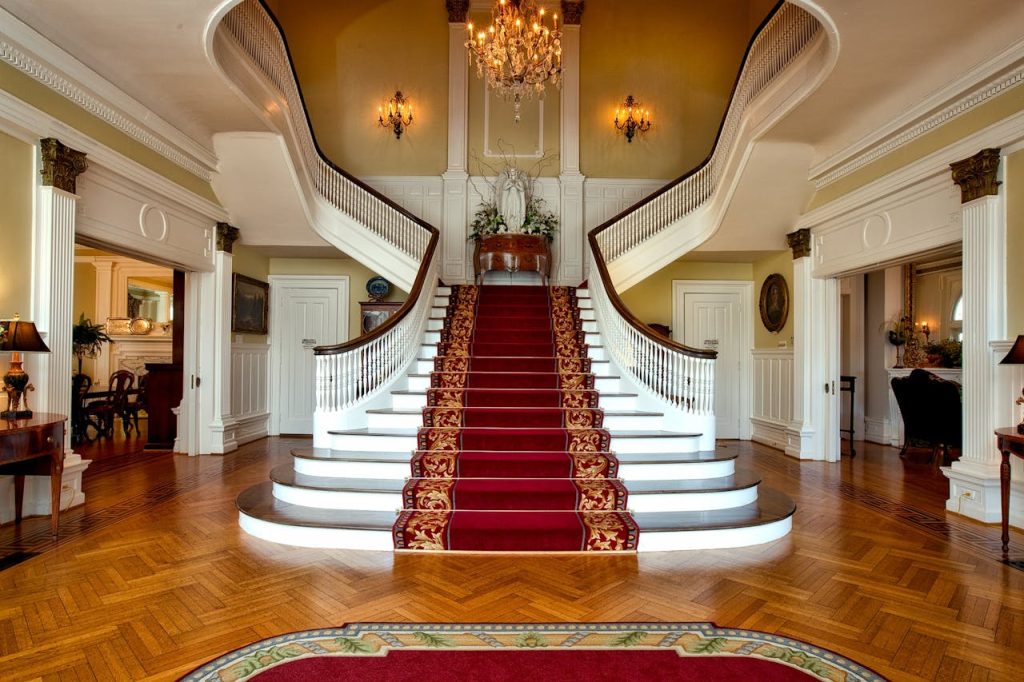
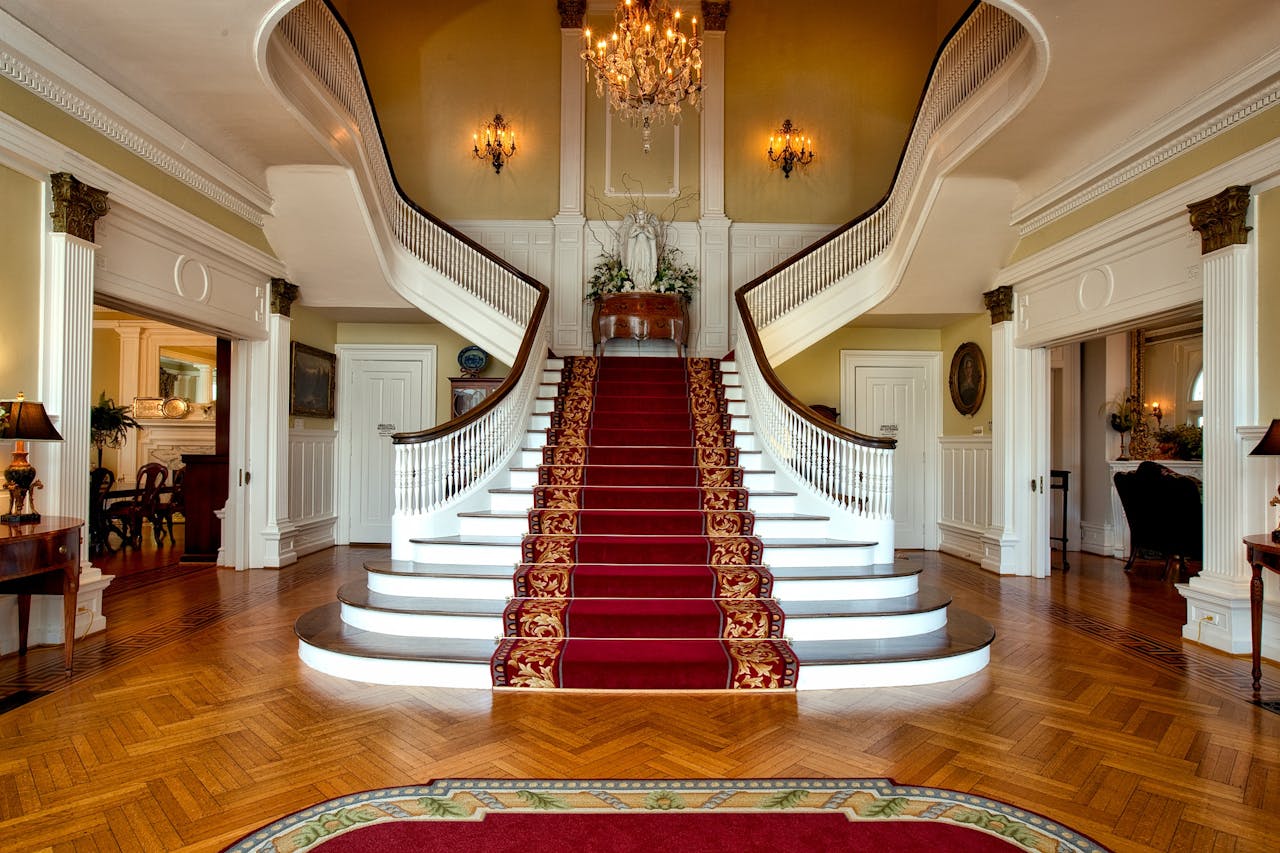
Imagine stepping into a newly opened hotel in Dubai. The lobby is a fusion of marble, glass, and natural light, designed to inspire awe in its guests. Each detail, from the flowing water features to the seamless check-in screens, reflects not just taste, but strategy. In today’s hospitality market, design is not an afterthought. It is a deal-maker.
Investors are no longer only buying into location and brand; they are buying into the story told through architecture, interior style, and guest flow. A hotel’s design influences occupancy rates, customer loyalty, and its ability to attract global capital. Simply put, the first impression is also the first return on investment.
The rising value of hotel investments
The global hotel industry is set for strong growth in the coming years. By 2025, hotel market revenue is projected to reach US$455.15 billion worldwide, with a forecasted climb to US$638.39 billion by 2030. This expansion is fueled by rising user numbers, higher average revenue per guest, and the rapid shift toward online bookings, which are expected to generate 81% of total hotel revenue by the end of the decade.
According to JLL’s Global Hotel Investment Outlook 2025, the hotel investment outlook projects a 15–25% increase in global hotel investment volume for 2025.
This momentum is more than financial. It reflects the way hotels are evolving, becoming cultural destinations, wellness centers, and branded icons. For investors, this intersection of design and demand is what transforms a transaction into long-term value.
Iconic examples of design and demand shaping deals
Around the world, some hotel projects prove that design, demand, and deal-making can align for success.
Four Seasons Hotel Madrid: This project involved the transformation of seven historic buildings into a unified luxury complex known as Centro Canalejas, pairing a hotel, residences, and a high-end shopping promenade. The redevelopment preserved facades while blending them into a coherent modern identity (a project cost cited at about €500 million). The inclusion of 22 private residences atop the hotel shows confidence in long-term demand for luxury living in the heart of Madrid.
The Standard, Bangkok Mahanakhon: Opened in 2022, this hotel is housed in Bangkok’s iconic King Power Mahanakhon skyscraper. It combines bold design (by Jaime Hayon and The Standard’s internal teams) with cultural programming, vibrant F&B venues, and visual impact to create distinction in a competitive market. As a flagship in Asia, it demonstrates how aesthetic positioning and brand energy attract both guests and investor interest.
Edition / Marriott’s lifestyle expansion: Marriott’s Edition brand has become a highlight in the hospitality sector, emphasizing design, exclusivity, and curated guest experience. Though precise development costs are less often disclosed publicly, the brand’s expansion into major capitals like London, New York, and Rome signals that investors believe design-driven boutique luxury hotels can command premium market positioning and returns (as discussed in industry reviews and reports on lifestyle/collection hotels).
Why this matters: culture, capital, and credibility
Hotel investments go beyond square footage and nightly rates. They mirror broader cultural and economic shifts. Today’s guests want more than a bed; they want a story. Properties that embody local culture, sustainability, or lifestyle branding capture not just travelers but also investors looking for resilient, differentiated assets.
Capital flows follow these patterns. In recent years, cross-border investment into hotels has grown as international funds, sovereign wealth investors, and private equity groups target high-design, high-demand assets. A hotel with a strong design identity carries credibility in the market, signaling long-term appeal. This credibility, in turn, increases valuations, eases financing, and attracts repeat investors.
For cities, the impact is profound. A well-designed hotel can redefine a district, spark tourism, and even lift real estate values in surrounding neighborhoods. It’s proof that deal-making in hospitality is not just about transactions, it’s about creating destinations that resonate.
Sustainability and technology: shaping the next wave of deals
The investment lens is widening. Beyond design and branding, sustainability and digital innovation are now essential to hotel success.
Green design as a value driver
- 73% of global tourists prefer hotels that adopt sustainable practices.
- 45% of travelers say a sustainability-certified hotel is more appealing when booking GSTC.
- Nearly 43% are willing to pay more for certified eco-friendly options.
Hotels that invest in energy-efficient systems, water conservation, and eco-certifications not only reduce costs but also boost their market appeal. Investors see these measures as indicators of stability and future-proofing.
Digital innovation as a guest magnet
- 96% of hoteliers plan to invest in contactless technology such as mobile check-in and digital keys.
- 77% of guests prefer using automated messaging or chatbots for quick communication.
- After digital upgrades, 57% of hotels reported revenue growth.
From AI-powered personalization to IoT-enabled smart rooms, technology improves both guest experience and efficiency. For investors, these tools reduce costs while expanding demand, making them critical in deal-making.
Education and leadership: preparing future deal-makers
Behind every successful hotel deal are professionals who understand not just finance, but also design, brand positioning, and market demand. Tomorrow’s leaders will need to bridge these worlds, negotiating with investors, collaborating with architects, and anticipating guest expectations.
This is where advanced study becomes invaluable. Programs that focus on hotel real estate investment prepare students to think holistically. They learn to evaluate a project not only by its financial returns but also by its cultural impact, design quality, and brand strength. Such training develops leaders who can speak the language of capital while also appreciating the artistry of hospitality.
Glion, for instance, combines academic rigor with exposure to real-world case studies and industry partners. Students don’t just analyze spreadsheets; they walk through actual properties, assess designs, and connect with global investors. This kind of education ensures that graduates step confidently into roles where design, demand, and deal-making intersect.
Investing in tomorrow’s hospitality vision
The future of hotel investment lies at the crossroads of creativity and commerce. A property that blends inspired design, strong demand, and savvy deal-making is more than an asset; it’s an experience that defines its city and era.
For investors, this means seeking projects that balance aesthetics with returns. For aspiring professionals, it means building the skills to guide these projects with vision and precision. As hospitality evolves into a global stage for culture and innovation, those who understand the intersection of design, demand, and deal-making will shape not only hotels but also the future of travel itself.

Founder Dinis Guarda
IntelligentHQ Your New Business Network.
IntelligentHQ is a Business network and an expert source for finance, capital markets and intelligence for thousands of global business professionals, startups, and companies.
We exist at the point of intersection between technology, social media, finance and innovation.
IntelligentHQ leverages innovation and scale of social digital technology, analytics, news, and distribution to create an unparalleled, full digital medium and social business networks spectrum.
IntelligentHQ is working hard, to become a trusted, and indispensable source of business news and analytics, within financial services and its associated supply chains and ecosystems










