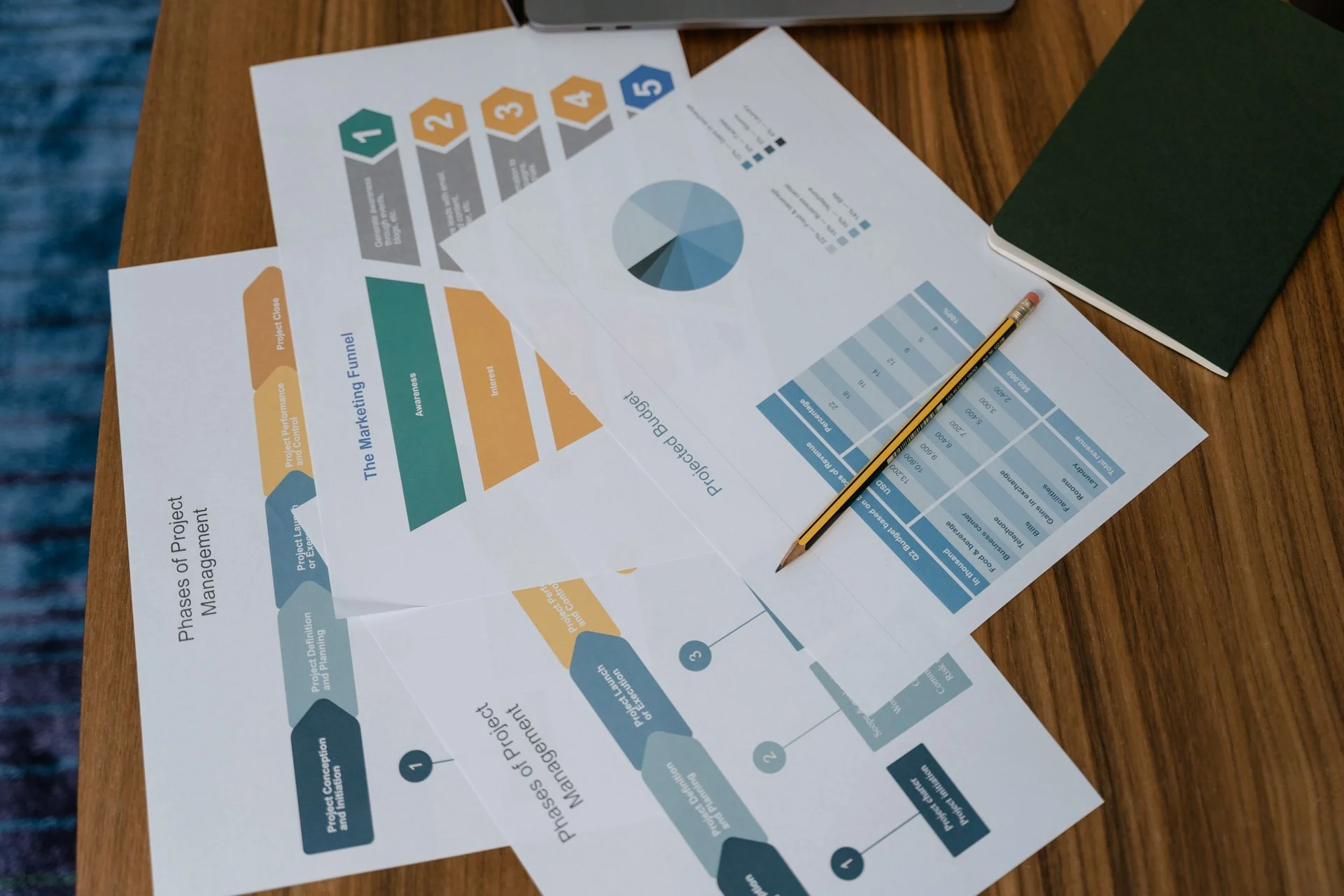
Have you ever wondered why some projects consistently meet expectations while others struggle with quality issues and poor oversight? Successful projects rarely happen by chance. They rely on structured practices and effective monitoring. This is one reason why PMP Training continues to be valued by organisations across industries. It helps professionals develop the skills needed to manage projects with confidence and consistency. Understanding What is PMP also provides insight into the frameworks that support better project outcomes.
In this blog, we will explore how PMP strengthens project quality, compliance, and control.
How PMP Strengthens Quality, Compliance, and Project Control
Below are the key ways PMP helps organisations improve quality standards, maintain compliance, and achieve stronger control throughout project delivery:
Improves Project Quality from the Start
One should never consider quality as an afterthought. Every phase of a project must incorporate it.
PMP Training teaches employees how to plan for quality before work starts, which is one of its main advantages. This entails setting objectives, defining quality standards, and creating procedures that support teams in producing consistent outcomes. Understanding What is PMP helps professionals recognise why quality planning is a critical part of successful project delivery.
Organisations may lower errors, prevent rework, and increase customer satisfaction when quality is planned early. This proactive strategy makes it easier for projects to accomplish their goals.
Creates Clear Quality Measurement Standards
Due to uncertain quality standards, many initiatives encounter difficulties.
Professionals who achieve their PMP certification understand how to set quantifiable success criteria. Project teams can better grasp what constitutes acceptable performance and how progress should be evaluated with the use of these criteria.
Teams can swiftly spot problems and take corrective action before they worsen when they have clear measurement techniques in place. This enhances overall project performance and promotes ongoing improvement.
Supports Stronger Regulatory Compliance
In many businesses, compliance is important. Throughout the course of a project, organisations must follow internal policies and regulations.
PMP Training emphasis on organised administration and documentation is one of its main advantages. Project managers develops the skills necessary to make sure that operations comply with external regulations and organisational standards. Learning What is PMP also helps professionals understand the importance of governance and compliance throughout a project’s lifecycle.
This lowers the possibility of noncompliance and guide organisations in avoiding expensive fines and harm to their brand.
Encourages Consistent Documentation
Maintaining project control and compliance depends heavily on effective documentation.
Professionals get an understanding of the importance of documenting decisions and project modifications through PMP Certification. Throughout the course of a project, proper documentation guarantees that crucial information is available and fosters transparency.
This degree of visibility facilitates audits and offers unambiguous proof that project operations were carried out correctly.
Strengthens Change Control Processes
Changes to a project are frequently inevitable. Project direction may be affected by stakeholder requests and new requirements.
These modifications may result in delays and overspending if they are not properly managed.
Professionals can better appreciate the significance of structured change management by knowing What is PMP. Formal review procedures are encouraged by PMP standards prior to the approval and implementation of modifications.
This guarantees that each modification is properly assessed for its effects on scope and quality. Projects continue to be steadier and more predictable as a result.
Enhances Risk Management and Oversight
If risks are not addressed in a timely manner, they may have an impact on project performance, quality, and compliance.
One of the strengths of PMP Training is its focus on risk identification and planning. Project managers develop the skills necessary to evaluate possible risks and develop plans to lessen their effects.
Frequent risk monitoring enables teams to act fast when problems emerge. This enhances decision-making and aids in keeping project control throughout its implementation. A clear understanding of What is PMP also supports a more structured approach to identifying and managing risks.
Provides Better Visibility into Project Performance
When project managers do not have reliable information, control becomes challenging.
Regular reporting and performance evaluations teach professionals with PMP Certification how to keep an eye on performance. These procedures offer insightful information about advancement and resource use.
Increased visibility facilitates quicker decision-making and enables Project Managers to resolve problems before they impact delivery.
This promotes tighter governance and a more regulated project environment.
Promotes Continuous Improvement
Project success involves more than just finishing ongoing tasks. It also involves enhancing performance in the future.
PMP Training, which emphasises lessons learned and ongoing growth, is a major advantage. Teams are urged to evaluate results and spot areas for improvement.
Over time, these insights assist businesses in improving project quality and streamlining procedures.
Sustainable corporate growth is supported by ongoing improvement, which generates long-term value.
Conclusion
Project quality, compliance, and control are essential elements of successful project delivery. Investing in structured project management techniques puts organisations in a better position to lower risks and produce consistent results. Professionals can raise quality standards and keep more control over project results by putting the concepts they learned in PMP Training to use.
For those looking to develop these valuable capabilities, The Knowledge Academy, a global training provider, offers PMP Training that supports professional growth and project success.