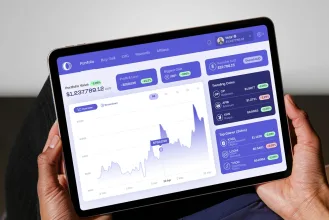
Running a business increasingly requires managing more touchpoints than ever before — customer conversations scattered across email, chat, and social media, along with follow-up reminders, deal progress, and marketing outreach. Many owners start with spreadsheets or notebooks, but as the workload grows, the limitations become clear. A CRM brings order to that chaos by centralizing customer information and helping you keep track of everything from sales activities to communication timelines.
Instead of combining multiple tools, a CRM provides a single workspace where lead capture, messaging, task management, and reporting come together. This creates a more predictable workflow, reduces missed opportunities, and allows both individuals and teams to stay aligned. In short, the right CRM becomes less of an optional tool and more of a structural part of how a business operates day to day. Below is a warm, detailed look at five CRM platforms, explored through the lens of a business owner choosing the right system.
1. SendPulse
SendPulse positions itself as an AI-driven marketing platform for scaling businesses. It has a built-in CRM for lead capture, nurturing, and conversion, designed for comfort and clarity. From the moment you step into the interface, there’s a sense that everything is exactly where you need it to be, without unnecessary clutter or confusion. The design favors smooth navigation, making it easy to understand how contacts flow, how pipelines progress, and how communication ties into ongoing tasks.
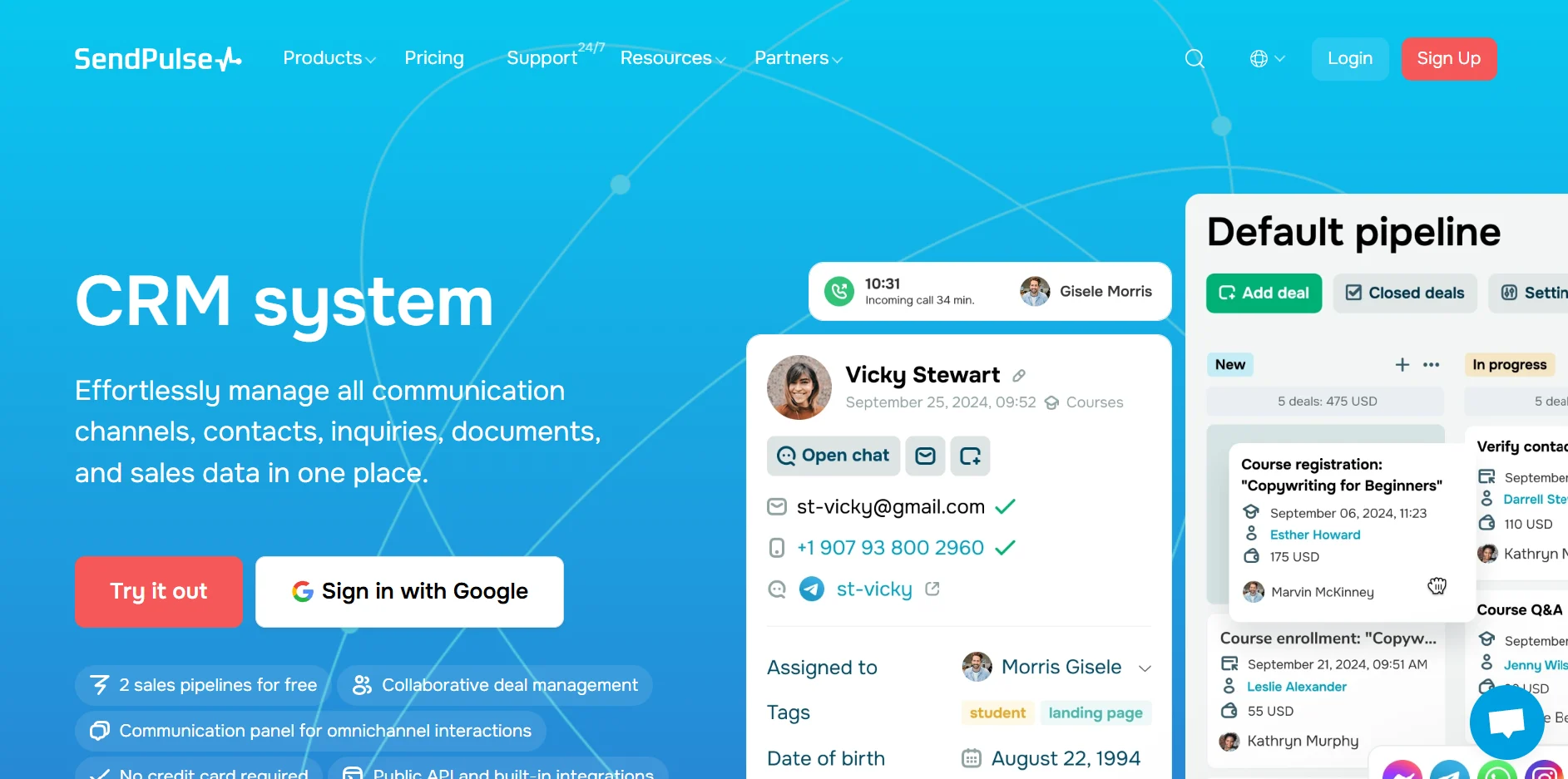
The platform offers a complete space for managing contacts through custom fields, detailed activity timelines, and centralized data that connects every note, task, and message. Deal management is handled through drag-and-drop pipelines that accommodate multiple sales processes at once, making it simple to track progress for different product lines or teams.
Beyond winning new deals, the same pipeline and contact data make it easy to spot opportunities for repeat purchases, upsells, and cross-sells with existing customers. Lead capture becomes intuitive thanks to customizable forms that feed directly into the CRM, allowing you to gather information without additional tools or complex setup.
Automation lies at the heart of SendPulse’s approach, supported by a visual workflow builder that reacts to customer behavior, form submissions, changes in deal stages, or internal updates — alongside AI agents that can qualify leads, create deals, hold conversations, and generate content on their own. Messaging channels — email, SMS, Instagram, Facebook, WhatsApp, Telegram, TikTok, Viber, chatbots, and web push notifications — are all built into the same ecosystem. As an official Meta Partner and WhatsApp Business API provider, SendPulse also lets businesses turn Facebook and Instagram ad clicks directly into chats and accept payments without leaving the conversation, turning communication from a scattered process into a cohesive experience. The platform also supports collaboration with practical user roles, shared timelines, and cross-team visibility, and connects to 50+ external services so CRM data flows into the rest of a company’s stack without extra manual work. Reporting helps you understand deal progress, sales patterns, and workload distribution, while onboarding, CSV migration, and community support smooth the setup process.
As a whole, SendPulse positions itself as more than just a CRM — with a free-forever entry plan (no credit card required) and a broader toolkit that includes an eCommerce CRM system with built-in marketing tools, a landing page and online store builder, , NPS widgets, pop-up forms, and an online course builder — giving you enough flexibility to scale your operations when needed.
Pricing:
- free plan: 1 account owner and 4 invited users, 2 sales pipelines/boards, and 1 GB storage, 5 automation flows, 1 event, and 50 elements in Automation 360;
- paid plans: start from $14.40/month (paid annually) for 1 user, 2 sales pipelines, 8 flows, 5 events, 50 Automation 360 elements, 2 boards, and more.
2. Brevo
Brevo creates an approachable and friendly experience from the moment you start using it. Many business owners appreciate how quickly they can understand its core structure without spending hours on training or setup. The environment feels light and welcoming, especially for smaller teams transitioning into CRM use for the first time. Brevo blends simple visuals with practical features that help keep sales activity on track.
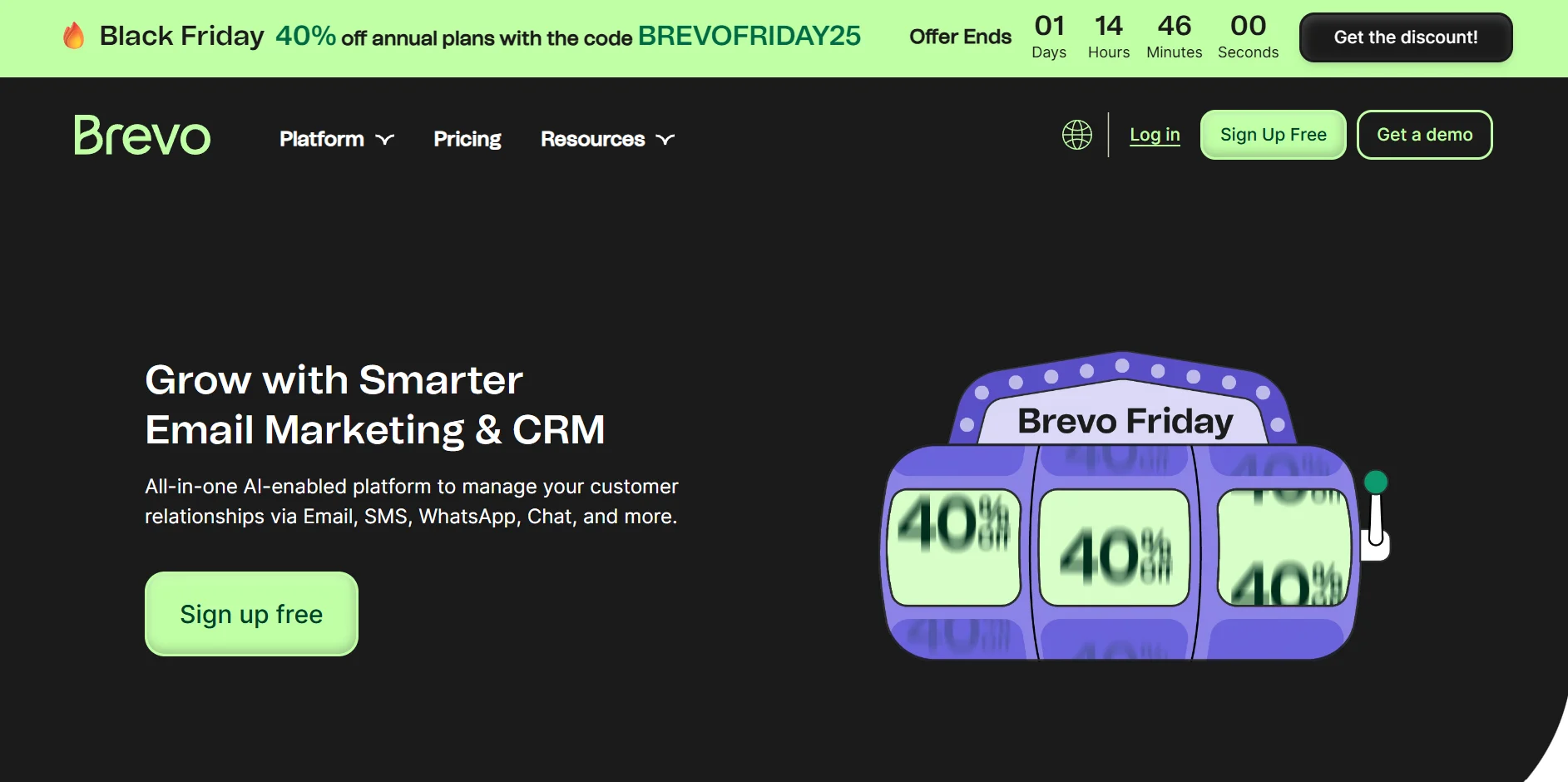
Contacts are organized within a central database that supports structured fields and clear timelines for previous interactions. Pipelines can be viewed in a clean drag-and-drop layout, making it easy to see where each opportunity stands. Lead collection is facilitated through customizable forms and landing pages, which guide prospects directly into the CRM. Automation is designed to support nurturing and follow-up sequences with triggers based on time delays, website activity, message engagement, or actions taken by the contact.
Brevo also offers multiple communication channels—including email, SMS, WhatsApp, and live chat—that help you maintain consistent outreach. Tasks can be assigned to team members within deals or contacts, enabling coordinated follow-ups. Reporting features allow you to review sales activity and performance across campaigns and pipelines. The platform integrates with a wide variety of tools and supports migration through guided imports and setup instructions. Overall, Brevo delivers a user-friendly environment for businesses that need structure without excessive complexity.
Pricing:
- free plan: 50 open deals and one pipeline;
- paid plans: start from $9/month for sales automation, unlimited deals and pipelines, unlimited connected calendars and mailboxes.
3. ActiveCampaign
ActiveCampaign presents itself as a CRM for businesses that enjoy a well-organized automation system and a clear sense of structure. The platform feels polished, and users often find comfort in the logical flow from contact management to sales processes. Navigating the system gives the impression that every feature has its place, allowing both beginners and experienced teams to adjust quickly. It’s especially appealing to businesses that want their marketing and sales automations to work hand in hand.
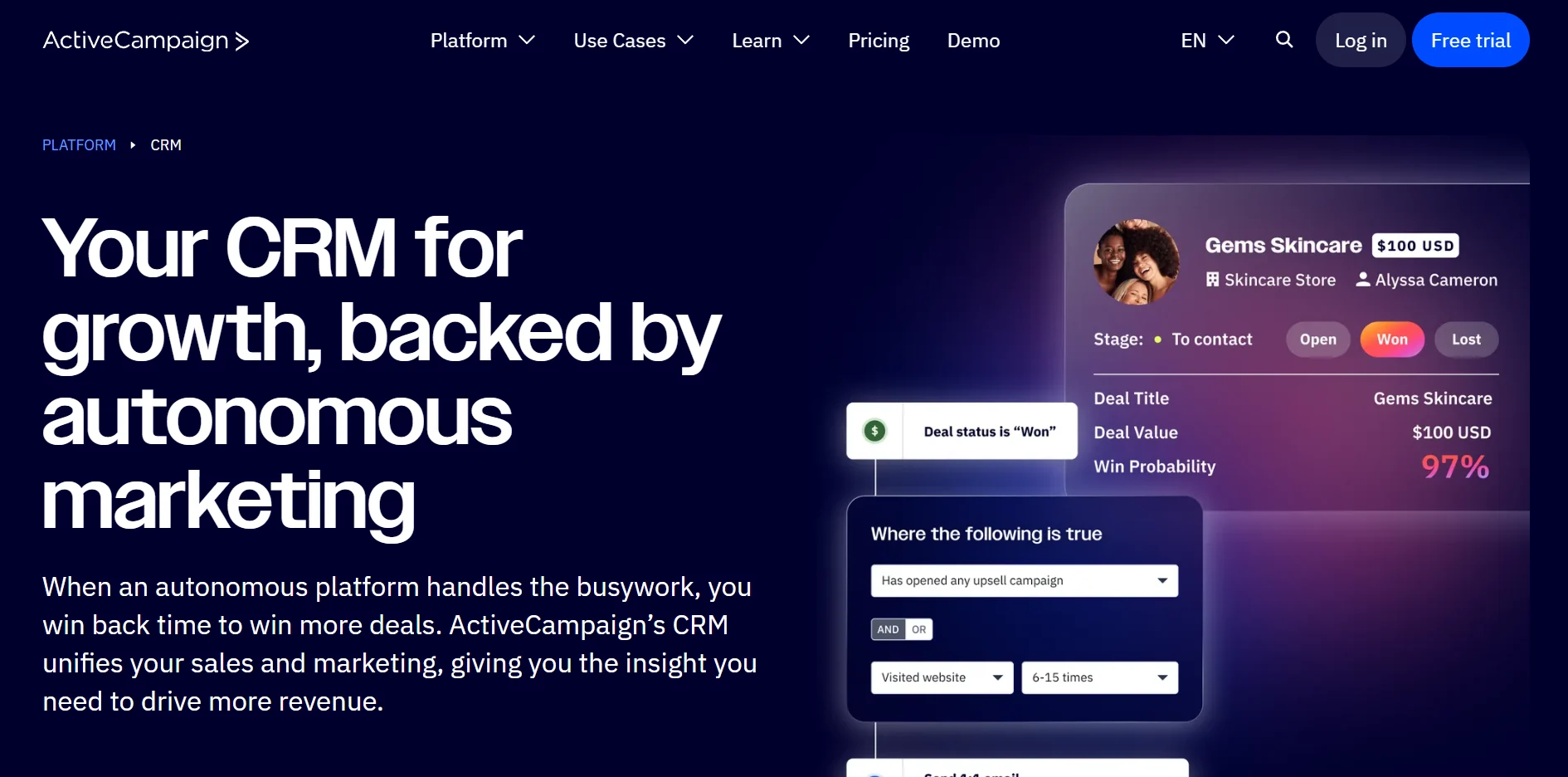
Contacts are enriched through custom fields, tags, scoring options, and detailed event histories. The CRM supports multiple pipelines with customizable stages and structured deal tracking, giving sales teams room to work with different types of sales processes. Lead capture is handled through customizable forms and landing pages with conditions that adjust based on visitor choices. Automation stands out due to its advanced branching logic, wait conditions, goals, and triggers that respond to changes in contact data or behavior.
ActiveCampaign connects communication through email, SMS, web chat, and site message capabilities, with integrations that extend messaging into other channels. Team members can collaborate using notes, shared assignments, and role-based permissions. Reporting covers everything from sales activity to automation performance, helping teams refine their strategies over time. The platform also provides migration assistance to help new customers adapt their existing data structures. This makes ActiveCampaign a strong option for businesses that prioritize robust automation and detailed personalization.
Pricing:
- free plan: a 14-day free trial;
- paid plans: start from $15/month for 1,000 contacts, 10,000 emails, and 5 actions per automation.
4. CRMOne
CRMOne approaches CRM management with a clean, minimalist design that gives business owners exactly what they need without introducing excess features. It’s a system built around clarity, helping users follow deals, contacts, and daily activities without feeling distracted. The environment is structured enough to guide you, yet open enough to let you manage processes in your own style. For those who appreciate simplicity paired with functionality, CRMOne offers an appealing experience.
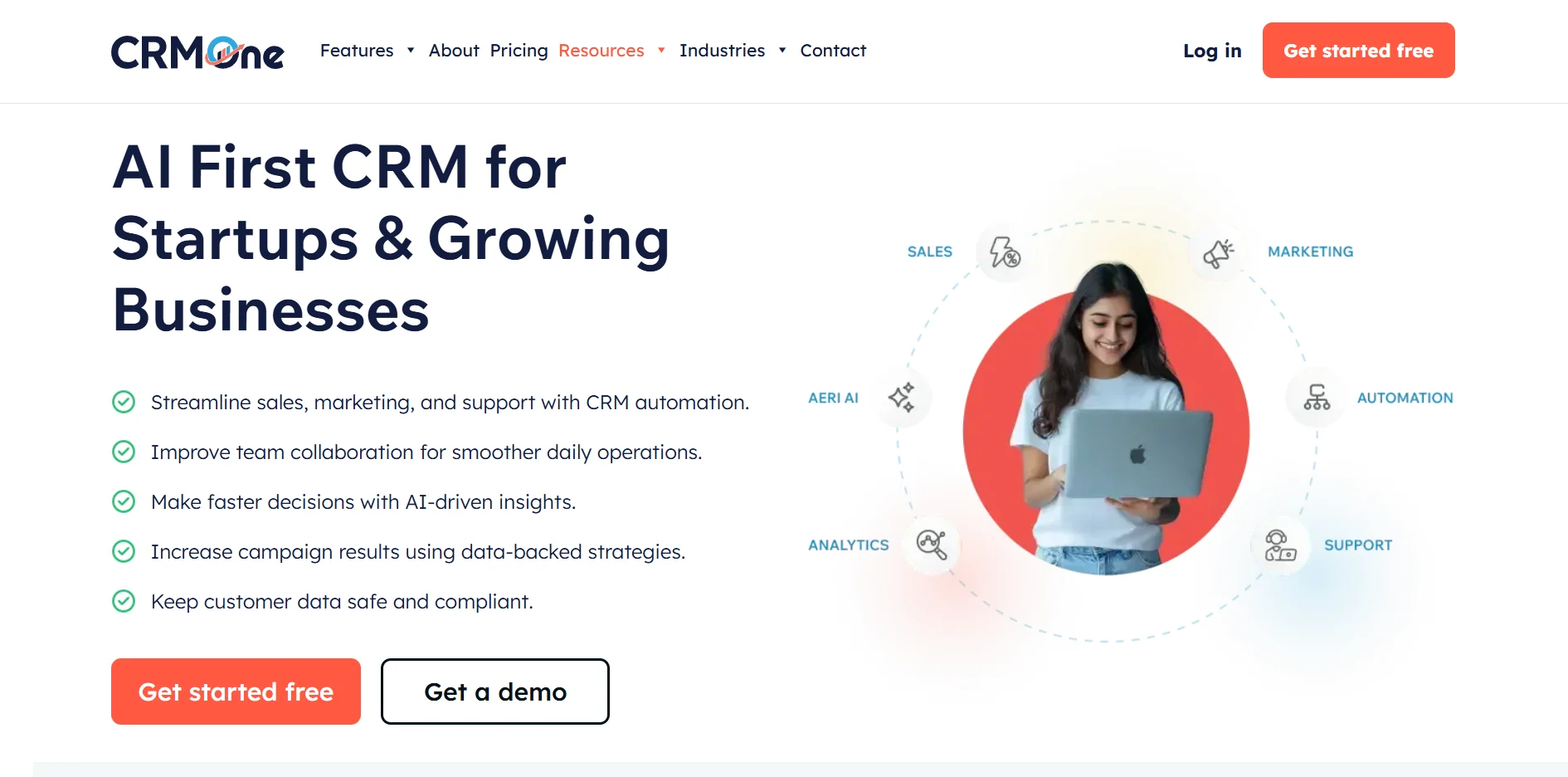
The CRM organizes customer and company information through custom fields and structured records. Pipelines are laid out in a straightforward drag-and-drop interface that lets you track how deals move forward. Lead collection can be done through website forms or data imports, both of which feed neatly into your pipeline. Automation supports essential follow-ups, such as email sequences triggered by updates to deals or contacts.
Communication is handled mainly through email, with notes and comments helping teams maintain consistent internal updates. Tasks can be assigned to users, assisting teams in managing their priorities across ongoing deals. Reporting tools allow you to examine pipeline progress and sales activity, creating a clear picture of performance. Integration options connect CRMOne to communication tools, calendars, and productivity apps commonly used in smaller teams. Migration is carried out through file imports, and onboarding guidance is available to assist new users. CRMOne offers a focused environment for businesses that value the essentials.
Pricing:
- free plan: a 14-day free trial;
- paid plans: start from $18/month per user for core CRM with deal pipeline, tasks & appointment scheduler, 1 workflow, and 5,000 actions.
5. Pepper Cloud
Pepper Cloud presents itself as a structured but friendly CRM, ideal for teams making the transition from spreadsheets to a more organized system. From the first interaction, the platform gives you a sense of clarity and stability. It’s designed to help businesses keep their information in one place while introducing helpful layers of activity management. Pepper Cloud feels like a CRM that aims to create good habits for growing teams.
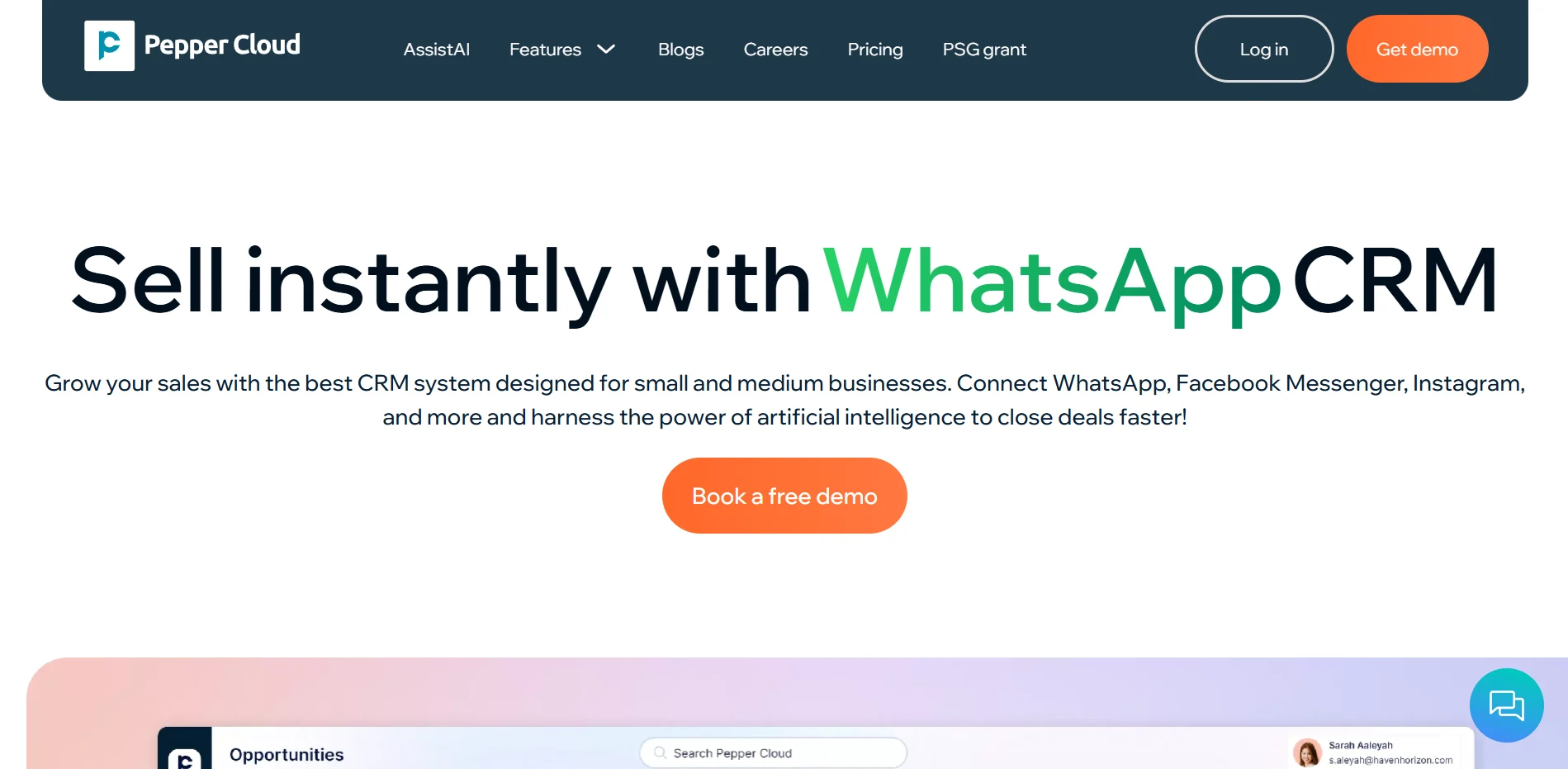
Contacts can be managed with custom fields, detailed records, and activity tracking that helps you recall conversations and previous actions. The platform supports customizable pipelines that can be moved through drag-and-drop updates, giving you a visual understanding of your sales process. Lead capture is enabled through forms and external imports, allowing businesses to incorporate data from existing tools. Automations help streamline everyday tasks through event-based triggers that initiate follow-ups or organizational actions.
Communication channels include email and WhatsApp integrations, allowing teams to maintain conversations directly from the CRM. Tasks and reminders support workflow organization, ensuring that important steps aren’t missed. Reporting provides insights into sales performance, win-loss behavior, and pipeline progression, helping you refine your approach. Pepper Cloud also integrates with payment systems, productivity software, and communication tools, making setup smoother. Migration assistance is available to help businesses transition their data. Overall, Pepper Cloud offers a steady, structured environment that supports clear organization.
Pricing:
- free plan: demo available;
- paid plans: contact customer support for further details.
Final Thoughts
All platforms are good but for reaching different business goals and meeting various requirements. Brevo offers an easy learning curve that’s appreciated by small teams new to CRM systems. ActiveCampaign provides a rich automation environment for businesses focused on personalization and detailed workflows. CRMOne delivers a focused, minimalist experience that doesn’t overload users with unnecessary features. Pepper Cloud brings structured organization, helpful onboarding, and a thoughtful approach to day-to-day task management.
Yet when considering the needs of a business owner who wants a CRM that supports growth, communication, automation, and collaboration in a unified environment, SendPulse is the most well-rounded option. The integration of multichannel communication, flexible automations, customizable pipelines, collaborative features, and practical reporting creates a platform that simplifies everyday activities instead of adding extra layers of management.