Older properties hold a distinct architectural appeal that modern structures cannot replicate. Preserving these historic assets requires a fresh look at modern eco-friendly renovation practices.
Property owners face many choices when updating aging commercial or residential locations. Smart updates cut utility bills and protect natural resources simultaneously.
Partnering With Professional Roofing Experts
Modern renovation projects prioritize structural safety and climate resilience from the start. Selecting the right components prevents frequent maintenance and lowers long-term operational costs. Heavy weather events demand sturdy building materials that resist damage.
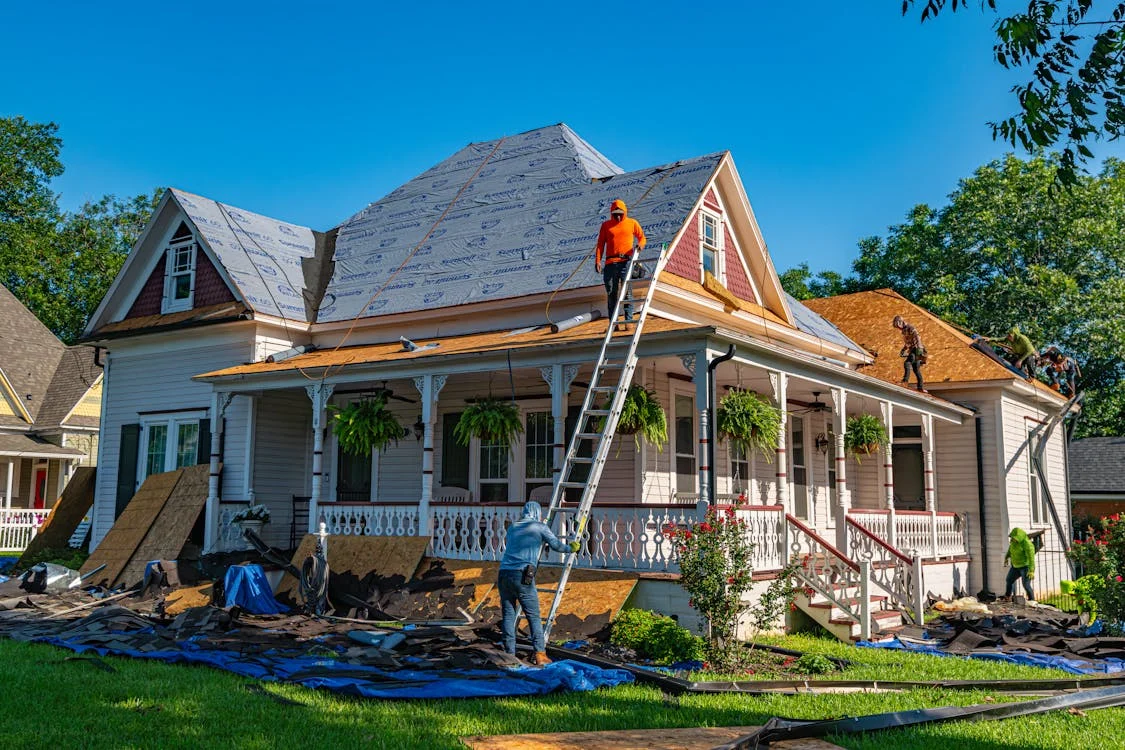
Roof upgrades represent a major part of any comprehensive property renovation plan. Property managers frequently consult local roofers to select durable, weather-resistant structural elements. These expert choices protect the building from harsh climate shifts for many decades.
Many property owners select cool materials that reflect sunlight away from the structure. This change keeps the upper floors comfortable during hot summer months. It reduces the strain on cooling systems and saves money on electricity bills.
Giving Historic Properties New Purposes
Tearing down old buildings generates massive amounts of heavy waste for local landfills. Preserving the main framework of an older property saves energy and valuable raw assets. This strategy avoids the need for extensive excavation work on new sites.
A recent industry publication notes that adaptive reuse brings fresh utility to historic structures by combining sustainability with creative architectural design. This method protects the historical character of a neighborhood without wasting materials. Property owners find great financial value in giving old spaces a brand-new purpose.
Properties built decades ago frequently become beautiful apartments or shared office spaces. This shift reduces the demand for new construction materials like steel and concrete. It protects open green spaces from urban expansion.
Adopting Net Zero Design Standards
Energy efficiency remains a top priority for modern renovation teams working on older properties. Upgrading insulation and sealing air leaks can lower regular utility expenses significantly. Better thermal boundaries keep indoor temperatures stable throughout the changing seasons.
An online architectural design article highlights that net zero setups – where properties generate the same amount of power that they use – represent the new benchmark for construction. This setup often relies on advanced solar panels and highly efficient heating systems. Buildings become self-sufficient units after these upgrades.
Solar panel installations on restored roofs provide clean power during daylight hours. Excess energy flows back to the local power grid for financial credits. This setup reduces reliance on fossil fuels and lowers carbon emissions.
Selecting Low-Carbon Building Materials
Choosing the right building substances affects the total carbon footprint of a renovation project. Traditional manufacturing options create high levels of greenhouse gases during production. Finding alternative supplies helps developers meet strict environmental goals.
A recent study indicates that low-carbon alternatives like geopolymer concrete and blended cements cut emissions without sacrificing structural strength. These options provide excellent support for heavy renovations. Builders meet green building codes without risking safety.
Recycled steel and reclaimed wood serve as excellent choices for structural changes. These materials add unique visual appeal to older spaces and prevent deforestation. Utilizing salvaged items keeps high-quality wood out of landfills.
Tracking Energy With Smart Automation
Installing modern automation tools allows property managers to track utility consumption in real time. Smart systems adjust temperatures automatically based on actual room occupancy levels. This technology eliminates energy waste in empty areas of the building.
Automated systems control various parts of a property to maximize daily savings. The following upgrades offer immediate benefits for restored buildings:
- Programmable thermostats that learn daily business schedules
- Automated window blinds that block intense afternoon heat
- Smart light switches that turn off in empty rooms
Minor modifications reduce reliance on local power grids during peak operating hours. Landlords enjoy lower operational costs, and tenants appreciate the modern conveniences. Smart tracking makes it simple to spot hidden energy drains early.
Reducing Consumption Through Smart Plumbing
Sustainable restoration extends beyond energy choices to look at daily water usage. Older plumbing systems frequently waste thousands of gallons of clean water each year. Upgrading these systems prevents hidden leaks from damaging the structural framework.
Replacing old fixtures with low-flow alternatives cuts water waste immediately. Low-flow toilets and sensor faucets work perfectly in commercial restrooms. These upgrades pay for themselves quickly by reducing annual utility bills.
Rainwater collection systems provide another great option for sustainable properties. Collected water maintains lawns and outdoor gardens without using treated tap water.
Improving Indoor Environmental Air Quality
Indoor air quality directly impacts the health and comfort of building occupants every day. Older properties harbor dust and moisture behind walls if left unventilated. Resolving these issues creates a more welcoming atmosphere for visitors.
Modern ventilation systems introduce clean outdoor air and filter out common allergens. High-efficiency filters capture tiny dust particles before they circulate through the rooms. Fresh air helps people stay focused and feel energetic during the day.
Selecting paints and adhesives with low chemical emissions prevents harmful gases from lingering indoors. This choice creates a safer workspace for everyone inside the building. Healthy interiors increase occupant satisfaction and retention.
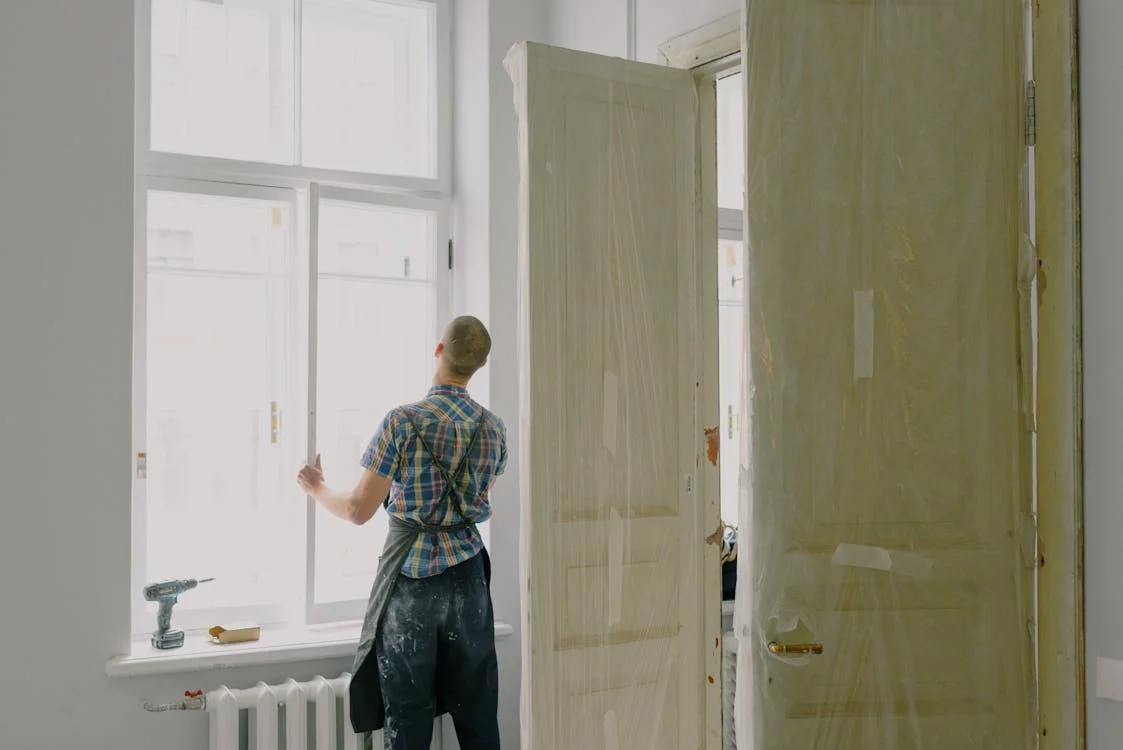
Restoring old properties with eco-friendly methods provides lasting advantages for owners and the local community. Smart updates lower monthly operational expenses and preserve valuable historical elements.
Investing in these green building trends positions properties well for future demands. Sustainable renovations protect natural resources and increase total property values simultaneously.