Modern building design is shifting toward greener choices. Property owners now seek solutions that cut power bills and protect structural integrity over decades. Smart material choices lower operating costs and reduce overall environmental impact. Selecting responsible components transforms standard properties into high-performing spaces.
Sustainable Choices for Modern Roofing and Exterior Systems
Building frames require massive amounts of raw materials before construction crews arrive on site. Homeowners reviewing options for a new roof must look beyond price to find weather-resistant structural options. Choosing lightweight framing cuts heavy shipping demands and reduces job site waste.
Engineering groups actively focus on structural emissions across multi-year build cycles. A leading industry initiative seeks to reduce embodied carbon in structural systems by favoring low-emission framing components. Swapping out high-carbon items lets architects maintain structural safety and cut carbon outputs.
Property managers who upgrade exterior layers protect interior spaces from environmental wear. Selecting energy-efficient materials blocks temperature swings and keeps indoor spaces comfortable. Wise material investments pay off through reduced maintenance needs over 20 to 30 years.
Quantifying Built Environment Carbon Impact
Raw material harvesting creates hidden environmental costs long before a building opens. Industry research indicates 30% of total UK emissions stem from built environments, with 7% traced straight to embodied carbon. Lowering that figure requires project leads to track carbon costs from initial extraction to final assembly.
Precise carbon auditing keeps contractors accountable throughout development phases. Clear supply tracking guarantees that green claims align with actual physical materials. Project managers use these metrics to balance financial budgets with environmental goals.
Lowering embodied emissions early yields immediate climate benefits before occupants move in. Replacing energy-dense concrete mixes with recycled alternatives creates cleaner job sites. Simple shifts in material selection alter the total footprint of large developments.
Thermal Efficiency Benefits in Exterior Shells
Outer walls and ceilings dictate how heat flows in and out of a structure. Eco-friendly insulation products stop air leaks and stabilize indoor climate levels without extra energy. Heating equipment cycles off more frequently when the exterior envelope traps internal warmth.
Reflective barrier layers block radiant heat transfer during hot summer months. Property owners save 15% to 25% on power costs by sealing thermal bridges early. Proper insulation choices cut monthly bills and lessen strain on municipal power grids.
Cool roof membranes bounce solar radiation away from ceiling cavities. Lower ceiling temperatures reduce air conditioning loads during peak afternoon heat. These surface choices preserve indoor comfort without increasing power consumption.
Key Sustainable Material Selections
Builders choose specialized components to minimize carbon footprints without sacrificing structural strength. These choices improve interior performance and speed up assembly timelines.
- Recycled steel offers structural strength using 75% less energy during manufacturing.
- Dense cellulose insulation uses paper fibers to form thick thermal barriers inside wall cavities.
- Mass timber panels store captured carbon throughout long service lives.
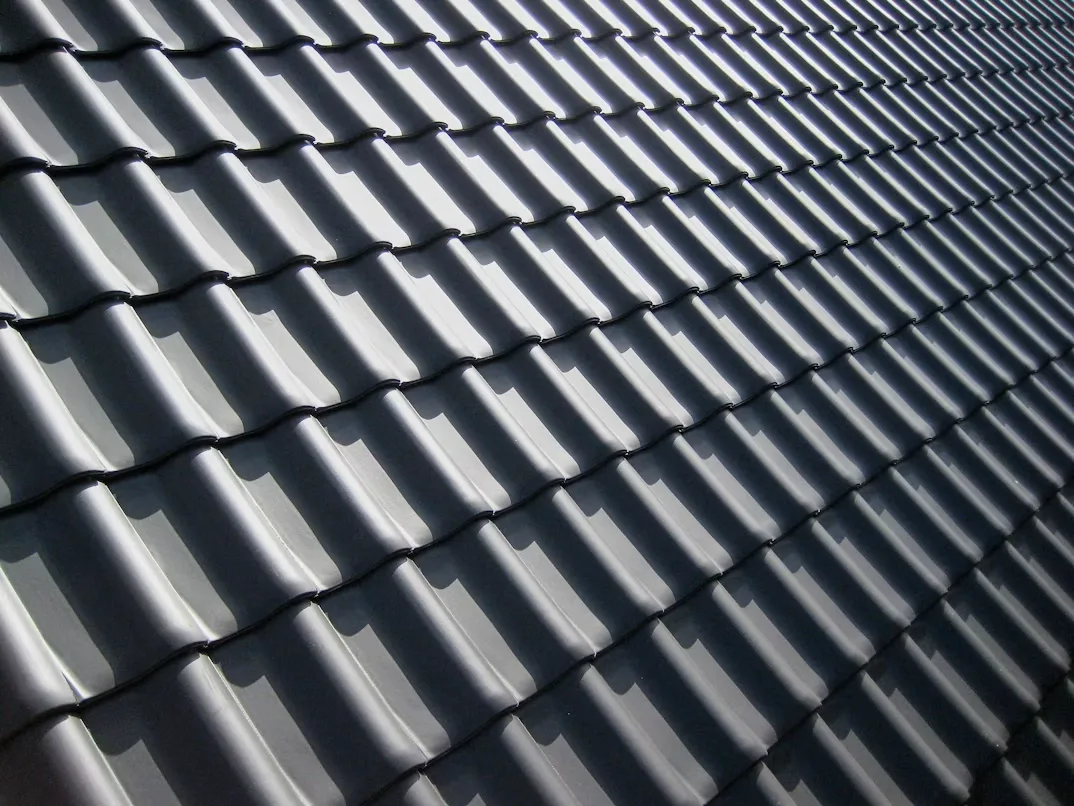
- Composite roof tiles use recycled polymers to withstand high winds and heavy hail impact.
Prefabricated panels arrive ready for direct mounting. Off-site cutting keeps debris off active work sites and prevents material spoilage. Factory fabrication improves measurement precision and reduces job-site noise.
Lifecycle Durability and Maintenance Savings
Durable products resist rot, moisture, and pest intrusion far better than standard wood siding. Long-lasting exterior systems lower yearly upkeep bills for building managers. Buying durable goods upfront prevents frequent patch jobs and costly structural teardowns later.
Standardized parts make localized repairs straightforward when severe storms hit. Property owners replace individual broken pieces without tearing down whole wall sections. Easy repairs lower repair bills and keep buildings operational during unexpected weather events.
Resilient siding materials keep paint coats intact for extended periods. Reduced painting needs save labor costs and prevent chemical runoff around property foundations. Sturdy materials maintain their appearance with simple water washings.
Waste Reduction and Circular Building Systems
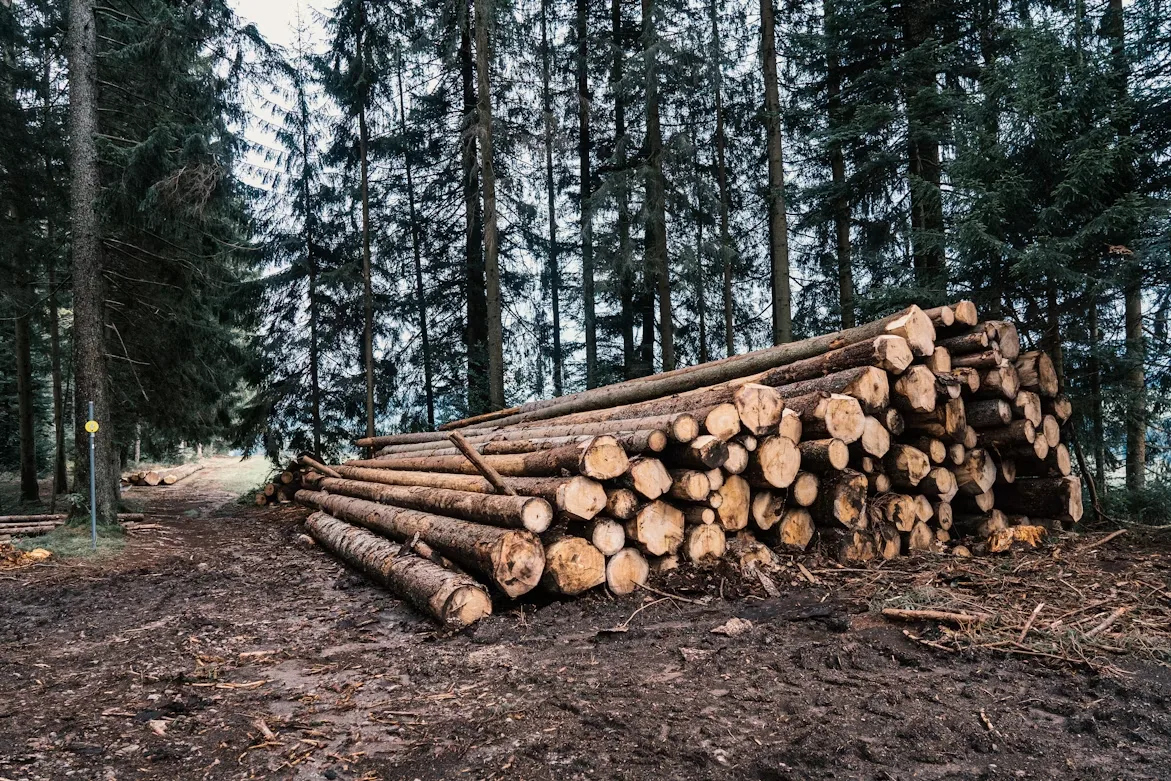
Circular building principles aim to keep salvageable items out of municipal landfills. Deconstruction techniques let teams recover old timber and metal frames intact. Reusing existing lumber lowers demand for fresh timber harvests across regional forests.
Modern manufacturing designs components for easy disassembly at end-of-life stages. Simple mechanical fasteners replace chemical glues to help workers sort materials quickly. Short shipping distances keep transport emissions low across regional projects.
Local sourcing strengthens regional economies and reduces long-haul trucking needs. Sourcing stone and timber locally keeps transport costs low and guarantees fresh material supplies. Regional supply chains adapt quickly to changing project schedules.
Smart Long-Term Planning for Property Owners
Careful product selection transforms long-term building performance across all climate zones. Mixing high-R insulation with reflective roofs keeps interior temperatures stable throughout extreme weather. Smart planning lowers daily utility reliance and protects structural components against premature wear.
Working with certified green contractors clarifies material origins before installation. Transparent sourcing builds trust and guarantees that structural goals match environmental standards. Clear records aid future property valuations during resale evaluations.
Sustainable construction practices deliver lasting value for property owners and surrounding communities. Choosing low-carbon materials cuts energy overhead and builds resilience against harsh weather events. Adopting eco-friendly building techniques creates healthier spaces and protects natural resources for future generations.