Managing personal items in a busy office can be challenging for both employees and administrators. The rise of hybrid work schedules and flexible seating arrangements has made the need for organized storage more critical than ever. When employees struggle to keep track of their belongings, it can lead to wasted time, misplaced items, and unnecessary stress. Offices that implement smart solutions for personal storage can improve efficiency, employee satisfaction, and overall organization. This article explores practical strategies for streamlining personal item management while offering insights into modern technologies and practices that are transforming workplace storage.
Optimizing Employee Storage Solutions
Traditional storage methods often rely on fixed desks with drawers or communal closets, which can create confusion in shared workspaces. A growing trend in office design is the integration of workplace smart lockers for employees into daily routines. These lockers allow each team member to have a secure, personalized space to store bags, electronics, or personal items. The technology behind smart lockers enables controlled access through mobile apps, RFID cards, or PIN codes, eliminating the need for physical keys. By reducing clutter on desks and ensuring items are easily retrievable, offices can maintain a cleaner and more productive environment. Beyond convenience, these lockers can also improve security by tracking access history and limiting the risk of lost or stolen belongings.
Categorizing Personal Items
Effective item management begins with categorization. Employees should have designated areas for different types of belongings. Examples include:
- Electronics such as laptops, tablets, and chargers
- Personal items like wallets, keys, and handbags
- Work materials such as notebooks, planners, and reference documents
- Outerwear, including coats, jackets, and scarves
- Hygiene or wellness items like water bottles and hand sanitizers
Creating distinct zones within lockers or storage areas makes it easier to find items quickly and reduces the chance of misplacement. Labeling shelves or using color-coded containers can further simplify organization, ensuring employees spend less time searching for essentials.
Implementing Digital Tracking Systems
Digital tracking systems can be integrated with smart lockers to provide an additional layer of organization. These systems allow employees to check the status of their lockers or storage units from their phones, which is particularly useful in flexible office layouts. Administrators can monitor usage patterns, identify unused lockers, and reassign them efficiently. This approach can minimize wasted space and maintain a streamlined environment even in offices with shifting seating arrangements or remote work schedules. Digital tracking can also include alerts for forgotten items or reminders to return shared equipment, keeping everything running smoothly.
Designing Ergonomic and Accessible Storage
Office storage solutions should not only focus on security and organization but also on ease of use. Ergonomically designed lockers and shelving units make it simple for employees to access their items without straining. Considerations include adjustable shelving, lockers at various heights, and wide compartments for larger items. Accessibility for employees with mobility challenges is equally important. Clear pathways, reachable storage, and intuitive locker systems can create an inclusive environment while reducing the risk of accidents or injuries.
Encouraging a Clean Desk Culture
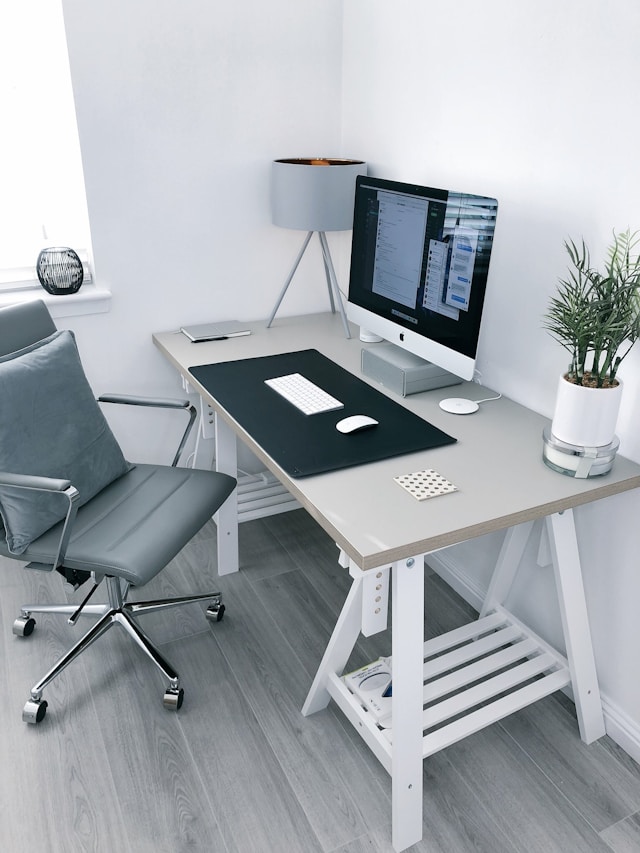
A clean desk culture promotes order and productivity. By encouraging employees to store personal items in lockers rather than leaving them on shared surfaces, offices can reduce distractions and maintain a professional atmosphere. Techniques to reinforce this habit include:
- Offering incentives for organized workspaces
- Providing small organizational tools like trays, hooks, or drawer dividers
- Conducting regular reminders or office campaigns
- Assigning team “locker ambassadors” to share tips and monitor adherence
- Hosting workshops or brief sessions on effective personal organization
These practices encourage employees to view storage solutions as part of their daily workflow rather than an additional task.
Selecting the Right Storage Technology
Choosing the appropriate storage system requires careful evaluation of office needs, employee habits, and available technology options. Offices must consider not only the quantity of lockers or compartments required but also the variety of items employees need to store, ranging from laptops and documents to personal belongings and equipment. Security features play a critical role, with advanced systems offering PIN codes, mobile app access, and user-specific permissions to prevent unauthorized use. Integration with existing office management software can simplify monitoring and reporting, allowing administrators to track usage, assign temporary access, and identify underutilized units. Some modern systems even provide alerts when items remain in storage for extended periods or when maintenance is needed. Flexibility is another factor to weigh, as offices with rotating schedules or hot-desking require lockers that can be reassigned quickly and efficiently.
Efficient personal item management is an integral part of creating a productive and organized office. Implementing smart storage solutions, categorizing belongings, utilizing digital tracking, designing accessible systems, promoting a clean desk culture, and selecting the right technology collectively contribute to a smoother work experience. By adopting these strategies, offices can reduce clutter, improve security, and enhance overall employee satisfaction. Thoughtful management of personal items is no longer a minor convenience; it is a key element in modern office efficiency and workplace wellbeing.

A dad of 3 kids and a keen writer covering a range of topics such as Internet marketing, SEO and more! When not writing, he’s found behind a drum kit.