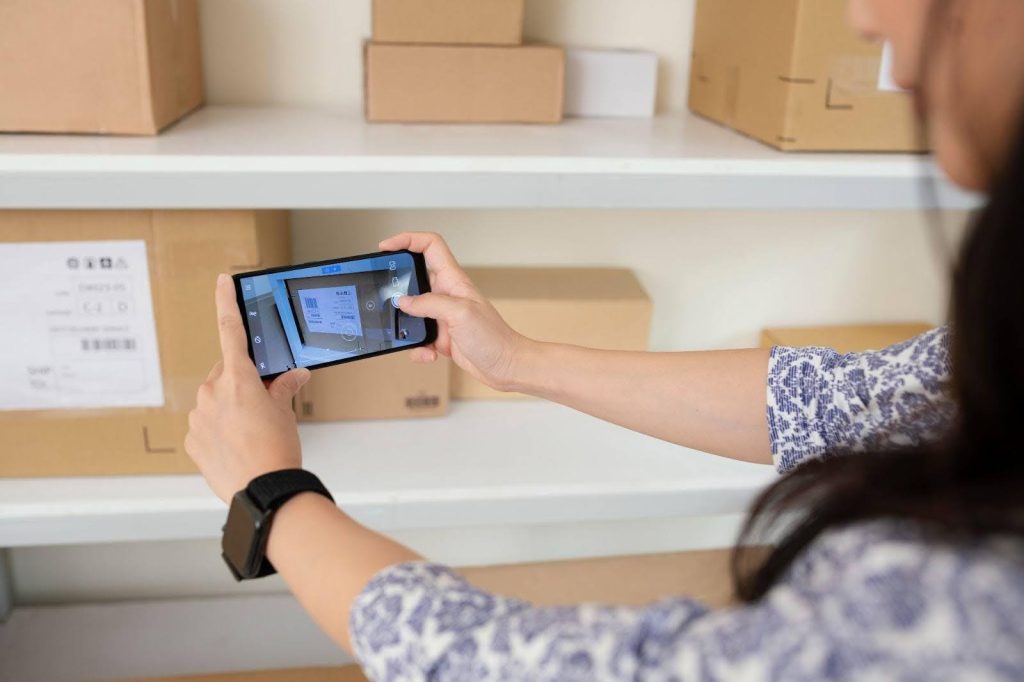
Luxury jewelry carries more than monetary value. It carries trust, provenance, and a brand promise that needs to hold up long after the first unboxing. That is why smart packaging for luxury jewelry is moving from a novelty to a practical brand tool, helping protect high-value items across the supply chain while also creating a smoother, more premium ownership experience.
Why packaging is now part of brand protection
In luxury, a single counterfeit incident can do outsized damage. Even when customers are not directly deceived, counterfeit circulation can dilute exclusivity and weaken confidence in authorized channels. Traditional packaging helps with presentation and basic protection, but it does not verify authenticity, prove chain of custody, or support ownership services.
Smart packaging adds a digital layer to the physical box. When designed well, it strengthens brand equity in three ways:
- Security: harder to spoof verification methods and tamper signals
- Service: faster access to warranty, care, repairs, and concierge support
- Storytelling: a branded digital experience that matches the craftsmanship of the piece
The goal is to keep the technology discreet and effortless, so it feels like luxury rather than a tech demo.
What “smart packaging” means for luxury jewelry
Smart packaging typically refers to packaging that uses technologies like NFC, QR codes, RFID, or unique serialization to add functionality beyond a standard box. In jewelry, the most practical use cases are:
- Tap or scan to verify authenticity
- Register the item and activate warranty coverage
- Access care instructions tailored to materials (gold, platinum, gemstones)
- Support secure delivery and tamper detection
- Enable verified resale and ownership transfer
Not every brand needs every feature. The strongest rollouts start with the simplest function that solves a real problem, then expand.
Better protection: anti-counterfeit and authentication that people will actually use
Authentication only works if it is used consistently by retailers and customers. A strong system has low friction and secure backend checks.
NFC tags are popular for luxury because the interaction is simple: tap a phone, get a verification result. They can be embedded inside the box or under a lining so the technology stays hidden.
Dynamic QR codes are also effective when tied to a secure platform. The common mistake is using a static QR that points to a basic webpage that counterfeiters can copy. Dynamic codes can support secure redirects, flag suspicious patterns, and update content over time.
RFID tends to be most valuable for operations, such as inventory control, retail audits, and supply chain monitoring. It is powerful, but often sits behind the scenes rather than in the consumer experience.
For jewelry brands, the goal is not just a one-time authentication moment. It is an ecosystem where authenticity can be checked at purchase, during servicing, and in resale scenarios.
Better protection: tamper evidence and secure logistics
Luxury jewelry is vulnerable in transit. Even authorized shipments can face theft, substitution, or damage. Smart packaging supports protection by combining:
- Tamper-evident seals that clearly indicate interference
- Unique identifiers that tie the box to the item and the order
- Scan checkpoints at fulfillment, dispatch, and delivery
- Exception flags when a code is scanned in unexpected locations or sequences
You do not always need always-on tracking to add real value. In practice, even simple scan checkpoints can reduce disputes and improve confidence in delivery outcomes.
Better experience: turning the box into a service gateway
Luxury customers expect after-sales care. They also expect convenience. Smart packaging can turn the box into the “front door” to ownership services without forcing a complicated app flow.
Examples that feel premium and genuinely helpful:
- Warranty activation takes under a minute
- Care guidance based on the specific piece and materials
- Repair or resizing requests that pre-fill product details
- Concierge appointment booking with the nearest boutique or service center
- Proof of ownership support for insurance documentation
This is where smart packaging becomes more than security. It becomes a brand extension that supports the relationship after the sale.
Better experience: storytelling without clutter
Many jewelry boxes include printed inserts: care leaflets, authenticity cards, brand stories, and warranty papers. These can be useful, but they can also be overwhelming and easy to lose.
Smart packaging lets brands keep the physical presentation clean while offering optional depth digitally:
- Craftsmanship videos
- Gem sourcing and certification explanations
- Designer notes or collection narratives
- Limited-edition provenance pages
- Responsible sourcing commitments and material details
This approach respects the customer’s time. Those who want the story can explore it, and those who do are not forced into it.
The resale and gifting factor: where smart packaging quietly wins
Luxury jewelry is frequently gifted and increasingly resold. That creates friction for traditional warranty cards and paper certificates, which can be misplaced or forged.
Smart packaging can support:
- Transferable ownership records where appropriate
- Verified resale checks that protect both buyer and brand
- Service history access that proves proper care
- Gifting-friendly registration so the recipient can register without hassle
This strengthens trust in the secondary market while maintaining a clear connection to the brand’s authentic ecosystem.
Privacy and discretion: non-negotiables for luxury brands
Connected experiences can generate useful insights, but luxury brands need to be careful. Customers often value discretion, and collecting more data than necessary can backfire.
Good practice includes:
- Offering guest access to basic verification and care content
- Asking for minimal information for registration
- Using clear consent language rather than vague terms
- Avoiding persistent tracking that feels intrusive
- Securing identifiers so counterfeiters cannot reverse-engineer the system
Smart packaging should feel like a benefit, not surveillance.
Implementation roadmap: how to roll this out without overcomplicating it
A phased approach is usually the safest path, especially if you are testing in one market or one collection.
Phase 1: Authenticity foundation
Start with NFC or dynamic QR linked to a secure verification platform.
Phase 2: Add owner value
Layer in warranty activation, care content, and service booking. Keep it mobile-first and quick.
Phase 3: Operational integration (optional)
Add RFID or enhanced serialization for inventory and retail control if your channels need it.
Phase 4: Premium enhancements
Consider limited-edition storytelling, resale support, or VIP experiences where it aligns with your brand.
What to ask a smart packaging partner before committing
Whether you are working with a packaging manufacturer, a tech platform, or both, these questions prevent most surprises:
- How do you prevent cloning or fake redirects?
- What happens on the first scan versus later scans?
- Can content be updated without changing the packaging?
- What quality controls exist for tag placement and scan reliability?
- How durable is the tag over years of storage and handling?
- How do you handle privacy, consent, and data security?
- What are the MOQ, lead times, and pilot options?
- Can you maintain luxury materials and finishing standards alongside the tech?
If the answers are vague, the risk is not only technical failure. It is a customer experience failure, which is more expensive to fix.
Final thoughts
Smart packaging for luxury jewelry is not about adding technology for its own sake. Done well, it protects brand equity by strengthening authenticity, reducing leakage, and improving control across the journey from fulfillment to resale. At the same time, it improves the customer experience by making after-sales services easier, storytelling richer, and the unboxing moment cleaner and more intentional.
For luxury brands, that combination is the point: better protection, better experience, and a stronger relationship with the customer long after the box is opened.

Pallavi Singal is the Vice President of Content at ztudium, where she leads innovative content strategies and oversees the development of high-impact editorial initiatives. With a strong background in digital media and a passion for storytelling, Pallavi plays a pivotal role in scaling the content operations for ztudium’s platforms, including Businessabc, Citiesabc, and IntelligentHQ, Wisdomia.ai, MStores, and many others. Her expertise spans content creation, SEO, and digital marketing, driving engagement and growth across multiple channels. Pallavi’s work is characterised by a keen insight into emerging trends in business, technologies like AI, blockchain, metaverse and others, and society, making her a trusted voice in the industry.