Modern neighborhoods are changing fast as technology integrates into daily routines. Finding a good place to exercise near your home used to require careful planning and tedious phone calls.
Now, digital tools help residents find open recreational spots instantly. This shift makes healthy living much more accessible for busy urban families who have limited free time.

Technology Shifts Urban Recreation
Finding open courts in crowded neighborhoods presents a major challenge for many local athletes. People often spend hours searching for available public spaces nearby. This issue frequently prevents individuals from getting enough daily physical exercise.
Traditional reservation systems often confuse users or require long phone calls. Modern options like a pickleball booking app solve this problem by showing real-time court availability. Players can secure a spot instantly without waiting in long lines at the park.
Cities that embrace these digital tools see higher participation rates in local sports leagues. Neighbors connect easily when booking friction disappears from the community. Active habits form quickly when scheduling becomes a seamless part of the day.
Related Contents:
smart city project 2030 agenda
Data Driving Better Infrastructure
Smart infrastructure relies on constant communication between devices and city planners. Local governments track facility usage to understand where to invest public funds. This monitoring helps authorities identify which neighborhoods lack sufficient recreational spaces.
A global policy report noted that modern buildings and infrastructure generate continuous data. This information helps managers optimize energy use and facility maintenance schedules. Neighborhoods become more efficient when leaders study these real-time data streams carefully.
Planners can deploy resources to the exact neighborhoods that need more park space. Data removes the guesswork from complex urban development projects. Communities thrive when decisions match actual resident behavior and recreation trends.
Physical Benefits Of Regular Play
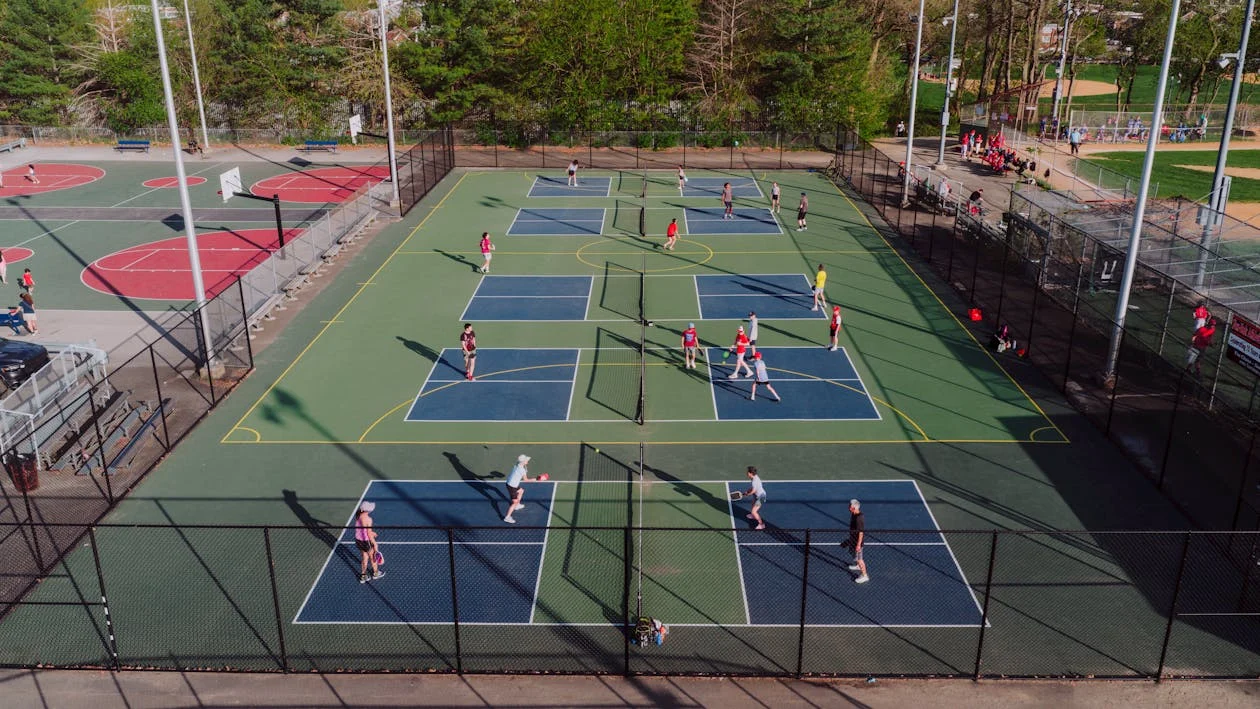
Racket sports have surged in popularity across 50 states over the last 3 years. People of all ages enjoy the fast-paced nature of these court games. The simple rules make it easy for anyone to participate.
Beginners quickly learn the basics, which encourages them to try the sport often. Families can play together regardless of individual fitness levels. This inclusivity makes court sports an ideal choice for neighborhood parks.
An industry blog post observed that pickleball provides excellent cardiovascular exercise that improves cholesterol levels and regulates blood sugar. Regular matches boost lung function and lower blood pressure. Short sessions deliver massive health returns for busy participants.
Designing Accessible Activity Hubs
Empty urban lots can quickly turn into functional fitness zones with proper planning. Converting unused spaces reduces blight while creating safe outlets for teenagers. Neighborhood safety improves when communities reclaim neglected properties.
Municipalities use specific design strategies to maximize small areas:
- Install multi-sport court surfaces to accommodate different games.
- Add solar-powered lighting to extend playtime into the evening hours.
- Place water stations near the courts to keep athletes hydrated.
These small upgrades make a significant difference in daily park attendance. Residents appreciate having modern amenities within walking distance of their apartments. Well-designed hubs become central gathering spots for health-conscious citizens.
Smart cities continue to use technology to solve traditional lifestyle issues. On-demand sports spaces make physical activity a natural part of daily urban life.
Investing in accessible recreation tools builds happier and healthier communities for everyone. Future developments will keep expanding these strong connections between health and technology.