Facelift recovery depends heavily upon stable nighttime habits during early postoperative healing periods. Proper sleep posture reduces facial tension, preserves incision stability, and supports smoother physical recovery. Medical guidance from qualified surgeons deserves immediate attention after every facelift procedure. Elevated back sleep positions frequently support reduced swelling, lower discomfort, and steadier nighttime recovery conditions. Schedule postoperative consultations promptly, because expert supervision encourages safer recovery progress and dependable comfort.
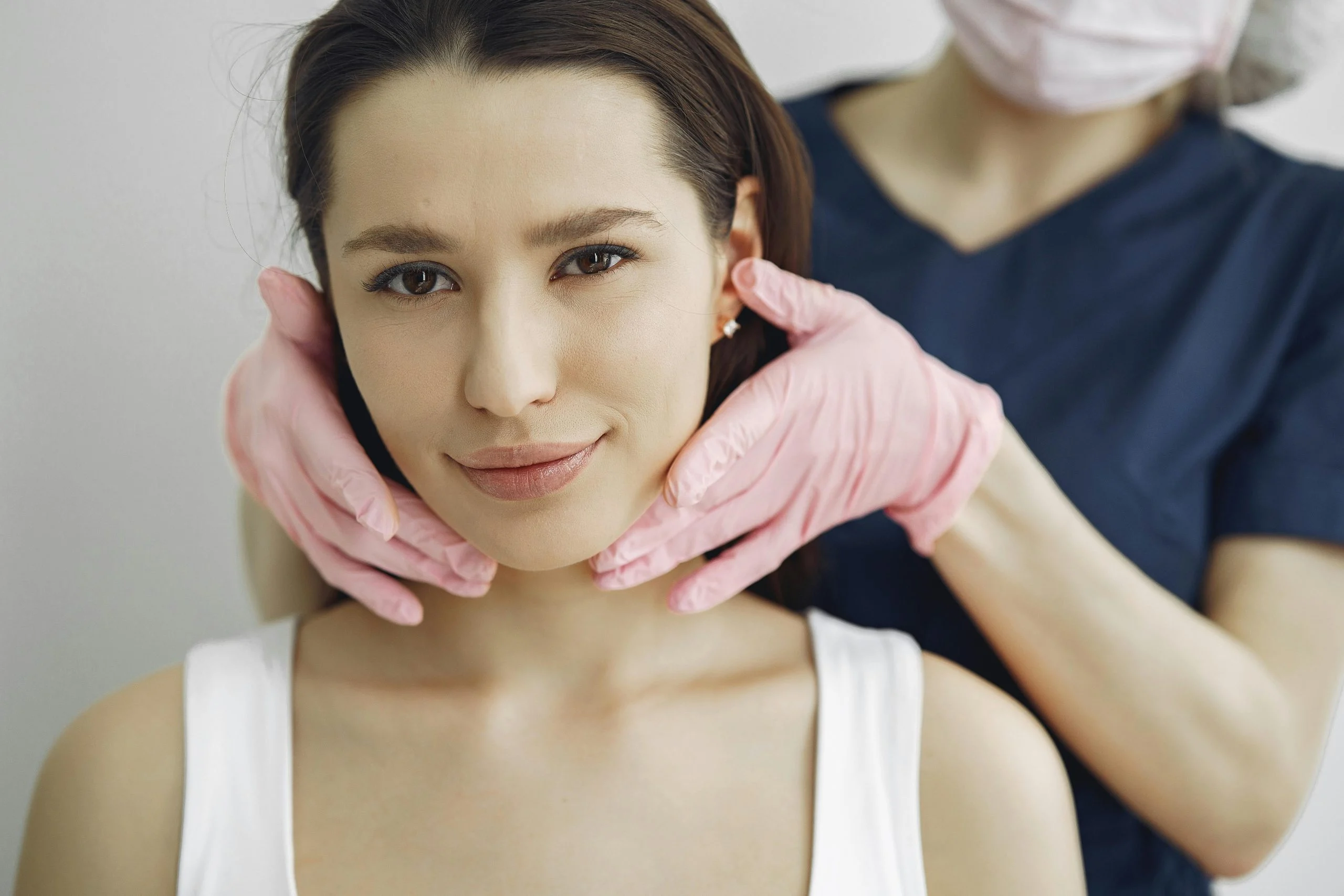
Head Elevation Supports Facial Recovery
Proper recovery habits explain how to sleep after a facelift during delicate postoperative healing stages. Elevated head placement reduces fluid retention, decreases facial pressure, and supports healthy circulation patterns. Doctors commonly recommend elevated back sleep positions following cosmetic procedures, orthopedic surgeries, and prolonged bed rest periods. Full-body pillow systems create dependable support because several connected sections cradle the entire body comfortably. Side pillows, wedge sections, and neck pillows maintain balanced posture throughout lengthy nighttime recovery periods.
A few supportive measures include:
- Soft neck pillows support stable nighttime posture.
• Extra blanket support prevents sudden body movement.
• Recliner support reduces unnecessary facial pressure.
Pillow Placement Prevents Facial Pressure
Side pressure creates unnecessary facial discomfort during sensitive postoperative recovery stages after cosmetic procedures. Back sleep posture protects incision areas and preserves natural facial symmetry during nighttime recovery. Full-body pillow systems differ from traditional single pillows because complete body support reduces uneven pressure points. Connected pillow sections help maintain elevated rest positions throughout extended nighttime recovery and prolonged bed rest. Stable body posture encourages greater comfort, reduced swelling, and calmer nighttime recovery experiences.
Several useful pillow features include:
- Breathable fabric surfaces reduce excessive nighttime facial warmth.
• Adjustable wedge sections support personalized elevation preferences comfortably.
• Compact side sections create greater stability during extended bed rest.
Bedroom Conditions Improve Rest Quality
Cool bedroom temperatures reduce facial warmth and support greater physical comfort throughout nighttime recovery periods. Dark room conditions encourage uninterrupted sleep cycles and reduce unnecessary nighttime wakefulness after surgery. Humidified air prevents uncomfortable throat dryness during extended postoperative recovery periods after cosmetic procedures. Quiet bedroom environments reduce nighttime stress and encourage calmer emotional recovery throughout postoperative healing stages. Full-body pillow systems support elevated back rest positions because structured sections reduce physical strain.
Nighttime Habits Protect Facial Comfort
Consistent nighttime routines create calmer recovery conditions and encourage deeper restorative sleep after surgery. Heavy evening meals create unnecessary discomfort, especially during sensitive postoperative facial recovery periods. Limited caffeine intake supports better nighttime relaxation and steadier physical comfort throughout postoperative recovery stages. Prescription medications require strict schedule adherence because delayed doses increase nighttime discomfort substantially. Calm music, dim lighting, and quiet surroundings encourage peaceful nighttime recovery after cosmetic procedures.
Several helpful nighttime habits include:
- Loose sleep garments reduce facial irritation overnight.
• Clean pillow covers protect sensitive incision areas.
• Dim lighting encourages calmer nighttime relaxation.
Recovery Patience Encourages Better Sleep Patterns
Facelift recovery progresses gradually; consistent patience remains extremely important during postoperative recovery stages. Mild nighttime discomfort usually decreases steadily after several postoperative recovery days pass successfully. Healthy hydration supports tissue repair and encourages smoother physical recovery after cosmetic facial procedures. Surgeon recommendations deserve complete attention because disciplined recovery habits protect desirable cosmetic facelift outcomes. Positive nighttime habits create dependable comfort and encourage stable recovery progress after facial surgery.
Careful nighttime habits support healthier recovery patterns after cosmetic facial surgery procedures have successfully concluded. Medical guidance frequently explains how to sleep after a facelift throughout sensitive recovery periods. Full-body pillow systems support elevated back sleep positions and encourage steadier nighttime comfort after surgery. Steady recovery habits encourage dependable comfort, healthier sleep quality, and satisfying cosmetic recovery results.