Florida’s population growth has reshaped the state’s economy over the past decade. New residents continue to arrive from across the country and around the world, creating demand for housing, healthcare, retail services, restaurants, and entertainment venues. While migration patterns have evolved since the peak years of the pandemic, Florida remains one of the fastest-growing states in the nation.
According to U.S. Census estimates, Florida’s population reached approximately 23.5 million residents in 2025, representing an increase of nearly 9% since 2020. The state added roughly 196,700 residents between 2024 and 2025 alone. Over the last decade, Florida’s population has grown by approximately 16.5%.
For commercial real estate developers, those numbers represent more than population growth. They signal long-term demand for services and infrastructure.
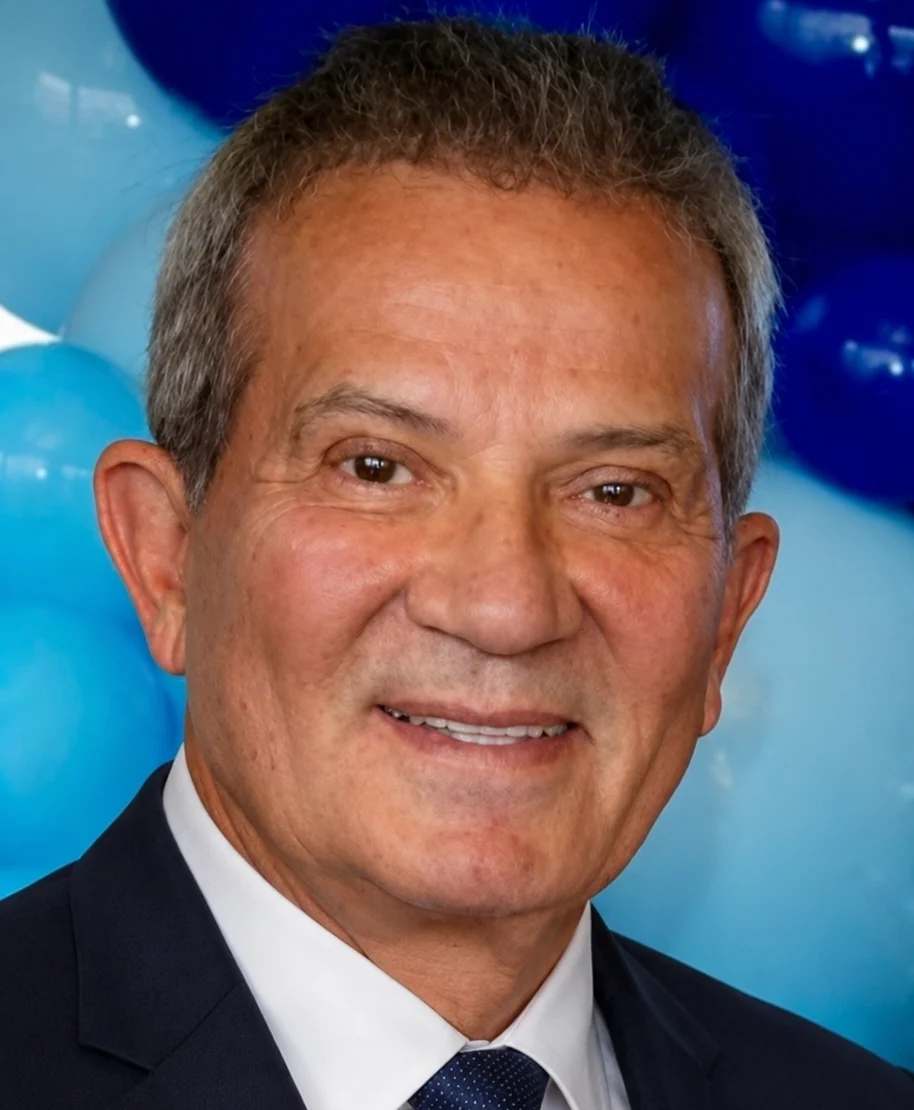
Few people have witnessed that transformation more closely than Shahriar James Ekbatani. After a 40-year career in healthcare leadership and entrepreneurship, Ekbatani expanded into commercial real estate development, focusing on some of Florida’s fastest-growing markets, including Lake Nona, The Villages, downtown Orlando, and Palm Beach County. His projects have ranged from retail and medical developments to hospitality-focused destinations such as Orlando’s upcoming Eola Food Hall.
“Population growth changes everything,” Ekbatani says. “When people move into a community, they need healthcare, restaurants, retail services, and places to gather. Commercial development follows people.”
Why Migration Patterns Matter to Commercial Real Estate
When most people hear about population growth, they immediately think about housing. However, commercial real estate often experiences equally significant effects.
Every new resident creates demand for additional services. More families mean more healthcare appointments. More retirees mean more medical offices and specialty care providers. More residents create demand for restaurants, retail centers, entertainment venues, and service businesses.
Florida’s demographic profile is especially important. Nearly 22% of Florida residents are age 65 or older, significantly increasing demand for healthcare-related facilities and services.
That trend has been particularly visible in markets like The Villages.
“The Villages is a good example of how demographics influence development,” says Ekbatani. “As the population grows, the need for medical offices, retail centers, restaurants, and support services grows right alongside it.”
His recent development projects in the Fruitland Park and The Villages corridor reflect that reality. As population growth continues throughout Lake County, demand for commercial infrastructure has expanded well beyond traditional residential development.
The Rise of Medical Real Estate
One of the most important trends tied to Florida’s growth is the increasing demand for healthcare-related real estate.
Because of his healthcare background, Ekbatani has a unique perspective on the connection between healthcare services and commercial development.
“Healthcare demand is often one of the strongest indicators of long-term growth,” he says. “When a community expands, healthcare providers need space. Patients want convenient access. Those needs create opportunities for well-planned medical developments.”
Florida’s healthcare sector already generates more than $211 billion in annual revenue, according to U.S. Census economic data.
As Florida’s population continues to age, demand for healthcare facilities is expected to remain strong. Medical office buildings, outpatient facilities, and healthcare-adjacent retail developments are increasingly becoming central components of commercial development projects throughout the state.
Retail Is Evolving, Not Disappearing
For years, some analysts predicted the decline of retail real estate. Florida’s growth story suggests a more nuanced reality.
Retail is not disappearing. Instead, it is adapting to changing consumer expectations.
Growing communities still require grocery stores, restaurants, pharmacies, fitness centers, personal services, and entertainment destinations. The difference is that successful retail developments are becoming more experience-oriented and community-focused.
Ekbatani believes developers must understand how residents actually use commercial spaces.
“People want convenience, but they also want experiences,” he says. “The most successful projects create places where people can meet, spend time, and become part of the community.”
That philosophy can be seen in projects like Eola Food Hall in downtown Orlando. Scheduled to open in late 2026, the development is designed to bring together food vendors, visitors, and local residents in a shared gathering space.
The concept reflects a broader trend occurring throughout Florida as developers focus on creating destinations rather than simply leasing square footage.
Lake Nona and the Importance of Long-Term Vision
One lesson Ekbatani often emphasizes is the importance of looking ahead rather than focusing solely on current market conditions.
His experience in Lake Nona illustrates that approach.
Years ago, he purchased farmland in the area before much of the region’s growth occurred. As Lake Nona evolved into one of Central Florida’s most dynamic economic and healthcare hubs, the property became a significant commercial development opportunity.
“The biggest opportunities usually appear before everyone agrees they are opportunities,” he says. “You have to study growth patterns, infrastructure investments, and community needs years before they become obvious.”
That mindset has influenced many of his development decisions throughout Florida.
What Comes Next for Florida Development?
Florida’s growth is unlikely to follow a perfectly straight line. Recent data shows migration has slowed from the extraordinary levels experienced during the pandemic years as affordability concerns have increased in some markets.
However, the long-term fundamentals remain strong.
The state’s population continues to grow. New businesses continue to relocate. Healthcare demand remains high. Tourism remains one of the largest economic drivers in the country. Markets such as Orlando, The Villages, and other growth corridors continue attracting residents and investment.
For developers, the challenge is not simply building more space. It is understanding what communities will need five, ten, or even twenty years from now.
“Development is ultimately about serving people,” says Ekbatani. “The communities that are growing today will continue to evolve. The projects that succeed are the ones that anticipate those needs and create long-term value.”
As Florida’s population continues to expand, the demand for medical, retail, hospitality, and mixed-use developments will likely remain a defining feature of the state’s economic future. For developers who understand the connection between migration, demographics, and community needs, the opportunities remain substantial.