Building owners and facility managers face a pressing challenge as traditional analog phone lines, known as Plain Old Telephone Service (POTS), are phased out by telecom providers. Many elevators still rely on these legacy lines to power their emergency phones, a critical safety link for anyone trapped or needing assistance. The transition away from POTS must not interrupt the ability for elevator emergency phones to reach help at any hour. Losing this direct line due to poorly planned upgrades risks noncompliance with safety codes and compromises occupant security. Maintaining reliable emergency connectivity during and after Pots Line Replacement is not just a technical concern—it’s a matter of liability and life safety.
Switching from copper POTS lines to modern alternatives demands careful product selection and verification. Solutions exist that can bridge the gap between new digital networks and the analog systems built into many elevators, but the process involves more than swapping out cables. Every step must preserve immediate, uninterrupted access to emergency services, especially during outages or disasters when cell networks may be congested. By understanding the requirements, available technologies, and compliance considerations, property teams can make informed decisions that protect both people and property.
Pots Line Replacement for Elevator Emergency Phone Connectivity
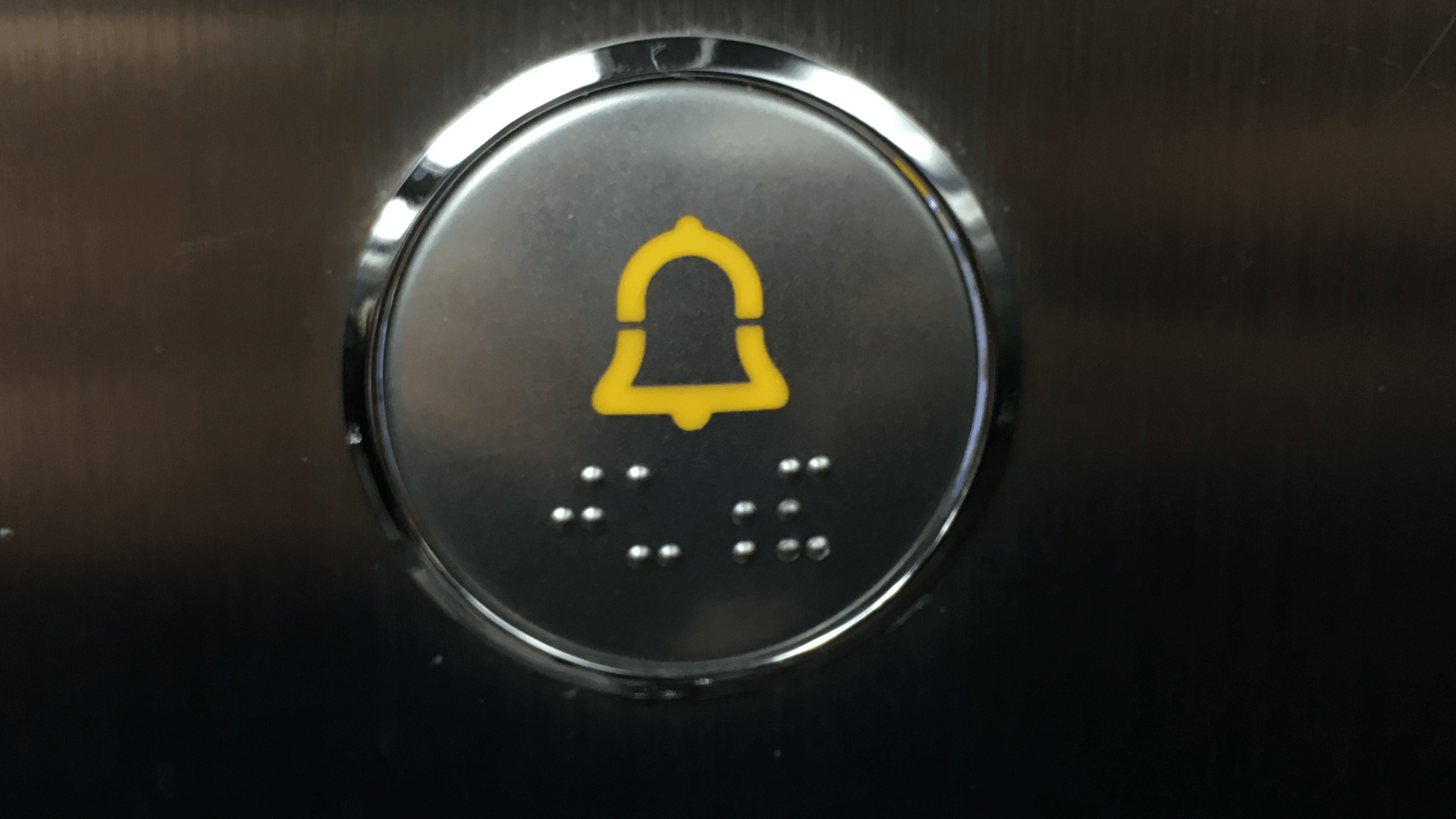
The most direct concern in Pots Line Replacement for elevator phones is ensuring that the emergency call function remains operational at all times, even if building power fails. Many modern replacement products integrate a backup battery and support analog output to interface with existing elevator phone units. When evaluating options, choose a device designed for life-safety applications—these models often provide both network connectivity and battery backup for at least eight hours, matching or exceeding code requirements for emergency operation.
Switching to an approved POTS replacement device allows elevator phones to dial out over digital networks while retaining the familiar analog interface inside the elevator cab. For instance, deploying a cellular gateway or an internet-based analog telephone adapter can link the elevator phone to outside emergency services, provided it is configured for 24/7 reliability and tested after installation. Comparing elevator emergency phone wiring standards helps identify devices that meet both technical and legal requirements for these systems.
During the transition, using a certified Pots Line Replacement solution ensures the elevator’s emergency phone remains code-compliant and functional. This approach preserves the critical function by maintaining the analog signaling needed for the elevator equipment, while routing calls over new digital networks.
Elevator Emergency Phone Requirements During POTS Replacement
Elevator emergency phones must meet specific code requirements, such as those set by the American Society of Mechanical Engineers (ASME A17.1) and local authorities. These codes stipulate that emergency communications must work during power outages and connect directly to emergency response centers. Replacement solutions must be able to demonstrate equivalent or superior reliability to the old analog lines, including features like automatic line testing and battery backup.
Before installation, verify the compatibility of the replacement device with the existing elevator phone hardware. Many elevators use analog-only handsets, which require a digital-to-analog interface that can mimic the behavior of a POTS line. Any chosen device should support automatic call-out features and maintain dial-tone presence, satisfying local inspection requirements. Reviewing elevator phone code compliance ensures your system will pass inspection and maintain insurance coverage.
Document the transition process, including testing logs and backup system performance, to provide evidence of compliance during regulatory inspections. These records also serve as a reference for future maintenance or troubleshooting.
Cellular and VoIP Alternatives for Elevator Emergency Phones
Cellular gateways and Voice over Internet Protocol (VoIP) adapters are two leading alternatives when upgrading from traditional copper lines. Cellular gateways connect elevator phones to wireless networks, bypassing the need for any physical phone line. When equipped with a robust power backup, these gateways can handle calls during building-wide outages, supporting emergency communications even when wired infrastructure fails.
VoIP adapters convert analog elevator phone signals into digital packets that travel over the building’s internet connection. To ensure uninterrupted service, VoIP solutions must include network redundancy and backup power. Both cellular and VoIP devices should be tested in real-world scenarios to confirm they maintain connectivity and audio clarity from the elevator cab to emergency dispatchers.
The best choice depends on local cellular coverage, building infrastructure, and code requirements. Some systems combine both technologies for added resilience, offering dual-path connectivity that automatically switches between networks if one fails.
Testing, Compliance, and Ongoing Connectivity Monitoring
After installing a Pots Line Replacement for elevator phones, rigorous testing is non-negotiable. Simulate emergency call scenarios under normal power, battery backup, and network-failure conditions. Confirm the elevator phone successfully connects to emergency services every time, and document the results for local code inspectors.
Ongoing monitoring further reduces risk. Many replacement systems include remote status checks and automated alerts if connectivity drops. Regularly scheduled test calls—monthly or more frequently—verify that the system is working and highlight any maintenance needs before problems arise.
Staying current with local code updates and telecom best practices ensures continued compliance and safety. Proactive monitoring tools, combined with thorough documentation, support long-term reliability and facilitate smooth inspections.
Conclusion
Before replacing any elevator emergency phone line, confirm that your chosen solution maintains analog compatibility, offers robust backup power, and meets all applicable safety codes. Request written documentation of compliance and test the system thoroughly under all conditions before considering the upgrade complete. This approach ensures uninterrupted emergency phone connectivity and keeps your building both safe and code-compliant.