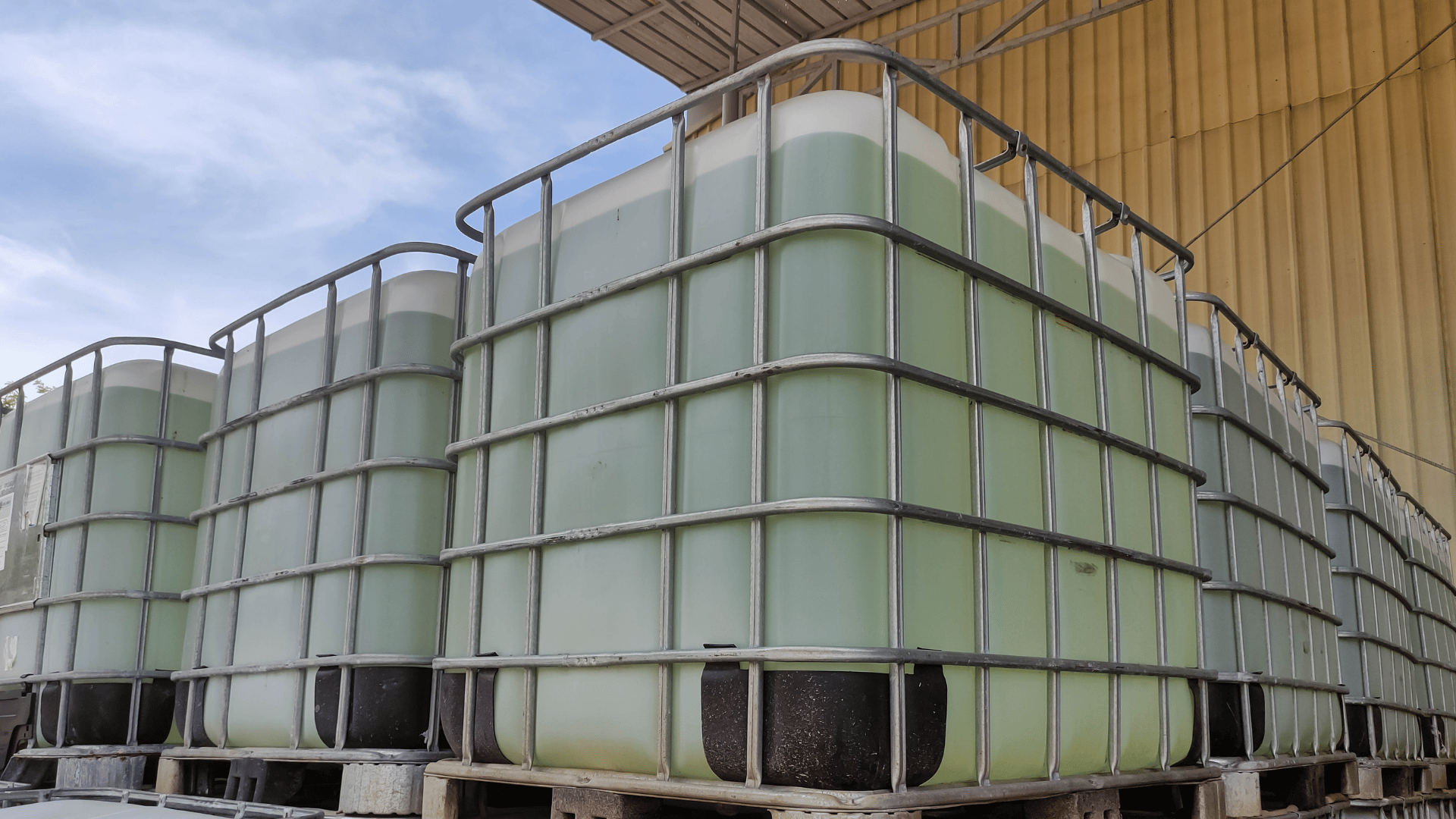
Tank inspection and cleaning are easier, safer and more efficient when access is considered before the work begins. Whether you manage intermediate bulk containers, chemical tanks or other fluid storage systems, you need enough room to reach inspection points, introduce cleaning equipment and remove residues without creating unnecessary handling problems. Planning access around the tank, its contents and the maintenance task helps you reduce downtime while supporting a more consistent inspection and cleaning process.
Match Access Points to the Inspection Task
Start by identifying exactly what needs to be inspected or cleaned. External checks may only require clear visibility around valves, fittings, frames and tank walls, while internal inspection can require access through a lid, hatch or other designated opening. Cleaning may also involve hoses, spray equipment or extraction systems that need additional clearance.
Tank configuration matters at this stage. When comparing equipment from suppliers such as Tank Management Australia tanks and fluid handling equipment, look beyond storage capacity and consider opening size, valve position, outlet design and container geometry. Comparing these features across available options helps you judge how easily workers will be able to reach inspection points, connect cleaning equipment and remove residues during routine maintenance.
Account for Tank Shape and Internal Obstructions
Tank geometry can determine whether cleaning equipment reaches every internal surface. Corners, baffles, pipework and fittings may create areas where product residue collects or where visual inspection becomes difficult.
You should identify these potential dead zones before establishing your cleaning procedure. If residues cannot be reached directly, you may need different spray angles, specialised cleaning heads or additional flushing. Planning around internal features reduces the likelihood that inaccessible areas will be overlooked during routine maintenance.
Provide Safe Working Space Around the Tank
Access does not stop at the tank opening. You also need sufficient working space for the people performing inspections, connecting hoses or operating cleaning equipment. Tanks positioned tightly against walls, other containers or fixed infrastructure can make even basic maintenance unnecessarily difficult.
Consider whether workers can reach valves and fittings without awkward postures or moving heavy equipment out of the way. Where elevated access is required, appropriate platforms or other safe access arrangements may be necessary. If entry into a tank is contemplated, confined space requirements must be assessed separately because internal entry can introduce significant hazards.
Allow for Cleaning Equipment and Drainage
Cleaning access should account for both getting cleaning media into the tank and removing wastewater or residues afterwards. Hose routing, pump placement and drain access should therefore be considered together rather than as separate tasks.
You should also check whether the tank can be positioned or configured to support effective drainage. Poor drainage may leave a tank heel, meaning residual liquid or product left behind after discharge, particularly around low points or internal fittings. Designing the cleaning process around the outlet position can help minimise these residues, make rinsing more efficient and reduce the amount of manual intervention required.
Build Access Into Routine Maintenance
Good access planning should support repeatable maintenance rather than a one off cleaning exercise. Inspection points, fittings and valves that are easy to reach are more likely to be checked consistently during scheduled maintenance.
You can improve reliability by keeping access routes clear and considering future maintenance whenever tanks are repositioned or new equipment is installed. Changes to pipework, bunding, storage layouts or surrounding machinery can all affect whether previously accessible components remain easy to inspect.
Good Access Reduces Downtime and Risk
Planning tank access means thinking beyond the opening itself. You need to consider the inspection task, tank geometry, surrounding workspace, cleaning equipment and drainage as one connected system. When access is built into equipment selection and site layout, you can make routine inspection and cleaning more practical while reducing unnecessary handling, delays and maintenance complications.