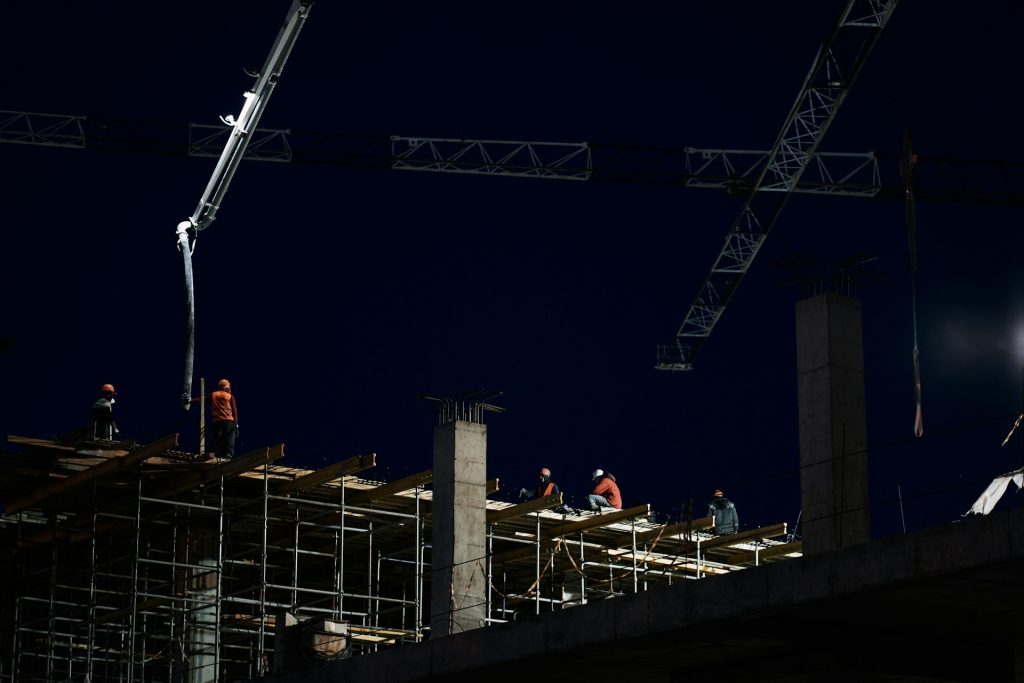
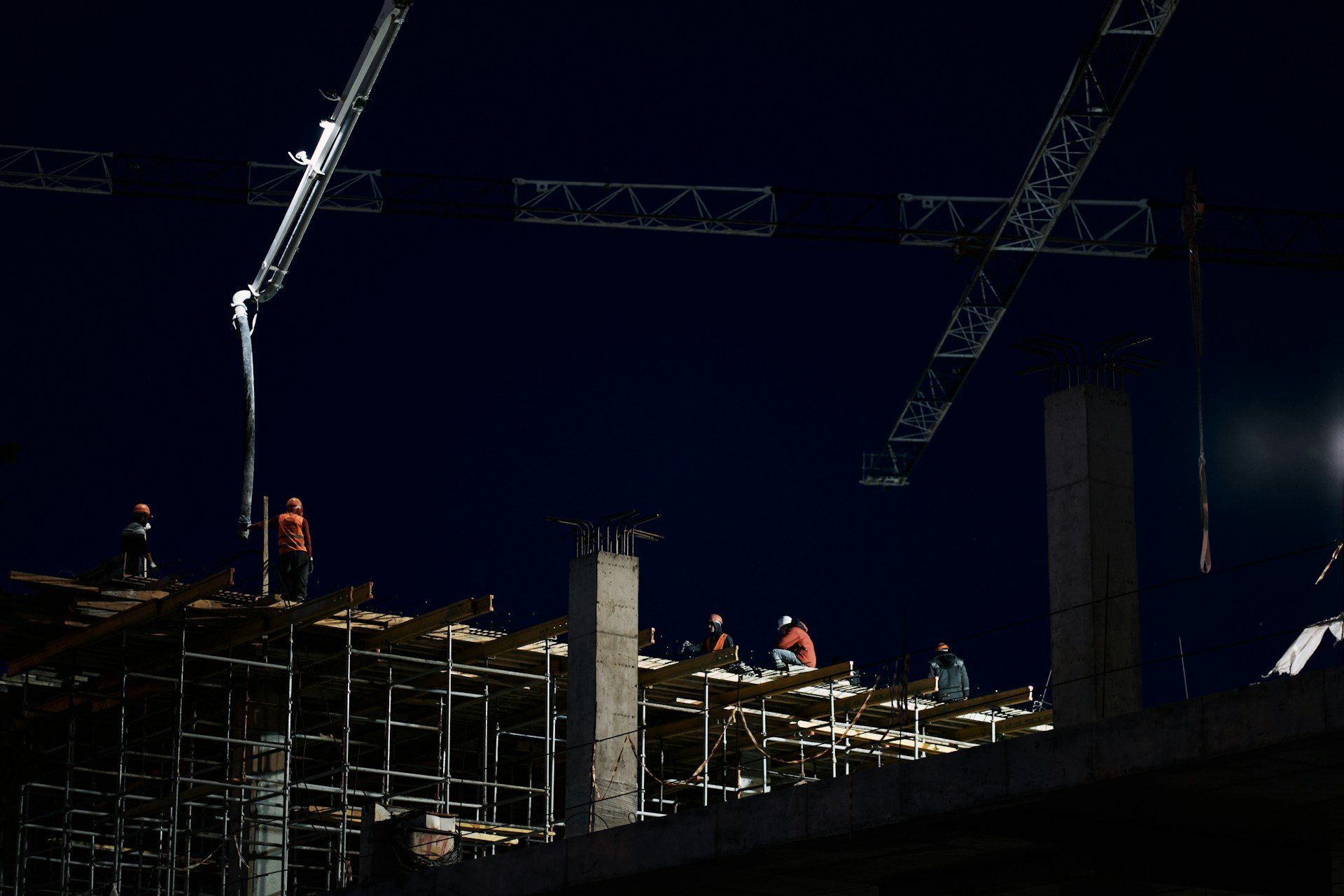
Industrial sites run around the clock. At night, the body’s clock runs on low power, alertness dips, and mistakes get easier to make. Add loud equipment, moving vehicles, heat or cold, and complex lockout routines. That is a risky mix. Supervisors also work with thinner staffing after dark. Fewer eyes can mean slower detection when something goes wrong. None of this makes night work impossible. It simply means the plan must fit the biology and the environment.
Sleep pressure rises across a shift and peaks toward the end. That is when reaction time slows and hazard perception drops. The solution is not a single quick fix. It is a set of controls that target lighting, breaks, nutrition, and scheduling together, then back it up with training and clear reporting lines.
The Core Safety Plan for Industrial Night Work
Start with a plan that is easy to follow on the floor. Aim for controls that are visible, teachable, and measurable. You can layer in science without turning it into a sleep lab.
- Short recovery breaks every two to three hours
- A protected nap window on ultra-long or critical coverage shifts
- A fueling plan with light, steady snacks and water
Keep this plan posted at break areas and toolbox talk boards. Tie it into existing procedures. When you write it down, people take it seriously. When everyone understands how to stay safe working night shifts, teams make better on-the-spot decisions and align on the same steps. It also makes it easier for supervisors to spot fatigue early and adjust lighting, breaks, or staffing before small errors snowball.
Facility Controls That Fight Fatigue
Smarter Lighting
Bright, cool-white light during active work can lift alertness. In low-demand spaces like break rooms near the end of the shift, warmer light supports winding down. This is not about fancy gadgets. It is about placing the right spectrum and brightness in the right zone. Put higher intensity in inspection lines, control rooms, and walkways. Use warmer, dimmer light in rest spaces. Test and log how crews feel with small pilots before full rollout. Calibrate so glare does not cause eye strain.
Temperature and Noise
Temperature affects alertness. Slightly cooler conditions promote wakefulness, while extreme cold can numb hands and slow decisions. Noise cuts two ways. Constant low roar can lull workers. Sudden spikes can startle and distract. Use targeted cooling and heating at fixed stations. For mobile roles, add micro breaks in climate-controlled spaces. Track noise at night with the same rigor you use for hearing conservation on the day shift.
Scheduling That Works With Biology
Rosters shape risk. Consecutive nights raise fatigue. Quick turnarounds trap workers between commuting, family duties, and short sleep windows. Aim for forward rotating schedules and limit long runs of nights. Build in at least one longer sleep opportunity between clusters. Offer shift swaps with guardrails so no one loads back-to-back turns without recovery time. Post the schedule early so people can plan. That alone raises actual sleep time.
For start and end times, consider the real commute. A 05:30 finish can send people into morning traffic at their lowest alertness. A small shift in the end time can help. If you run buses, train drivers to watch for micro sleep signs and to encourage quiet rides after nights.
Breaks, Naps, and Refueling
Breaks only work if they are protected. Supervisors should plan coverage so no one skips because the line is hot. For critical roles, a controlled 15 to 20-minute nap can reset alertness. Provide a clean, quiet room and a simple sign-in and out sheet. Follow the nap with a short bright light exposure and a walk to shake off sleep inertia. Keep caffeine earlier in the shift so it does not spike right before the ride home.
Food timing matters. Heavy meals slow you down. Encourage light proteins, whole grains, fruit, and water. Stock vending with better choices and prices them lower than sugary options. Place cool water within easy reach at high heat stations.
Training, Supervision, and Peer Checks
Make fatigue a normal topic, not a quiet confession. Teach crews what real fatigue looks like on the job. Slower hand placement near pinch points. Re-reading gauge labels. Missed radio calls. Show short clips or demos during toolbox talks. Encourage peer checks. A simple question like, “Are you tracking that lock or should I watch with you?” can stop a chain of errors.
Supervisors set the tone. If a lead always powers through breaks, crews will copy it. Coach leaders to model the plan. Give them a quick checklist to record break timing, lighting status, and any micro incidents like wrong-tool picks. Small notes build a pattern you can fix.
Technology That Helps Without Becoming Clutter
Start with what you have. Use existing badges to log actual break times. Turn on alertness prompts on control room screens. If you test wearables or camera-based systems, make privacy clear and set rules on how data is used. The goal is safer work, not surveillance. Pilot tech on volunteers first and measure simple outcomes like near misses per 1,000 hours.
Policy, Reporting, and Continuous Improvement
Write a simple fatigue risk policy that covers scheduling rules, break protection, nap rooms, lighting zones, and stop work authority. Add a no-penalty line for self-reporting fatigue. People should be able to say I am not safe to run the crane right now without fear. Collect leading indicators. Track skipped breaks, overtime creep, busier than planned nights, and any time the line ran lean. Review these in monthly safety huddles. Adjust lighting, staffing, or timing based on what the data says.
Bring in outside guidance for the framework. OSHA’s worker fatigue pages outline controls that raise alertness in lighting, temperature, and surroundings. NIOSH hosts resources on nonstandard schedules and fatigue. These give you checklists and training ideas you can adapt to your site. See OSHA’s Worker Fatigue page and the NIOSH Center for Work and Fatigue Research for practical guidance.
Quick Response Playbook for Supervisors
If a crew shows rising errors late in the shift, act fast. Move a fresh set of eyes to the tightest task. Add a short break. Turn up light levels at inspection and egress points. Offer a short nap to the person whose work is slipping. If the weather is extreme, rotate people through climate-controlled spaces. Confirm lockout tagout steps as a pair. If the call volume on radios drops, prompt a quick cross-check between areas.
When a near miss happens, debrief before people leave. Capture the time, task, light level, temperature, staffing, and break history. These details help you spot patterns. Share the lesson at the next pre-shift brief so the fix becomes culture.
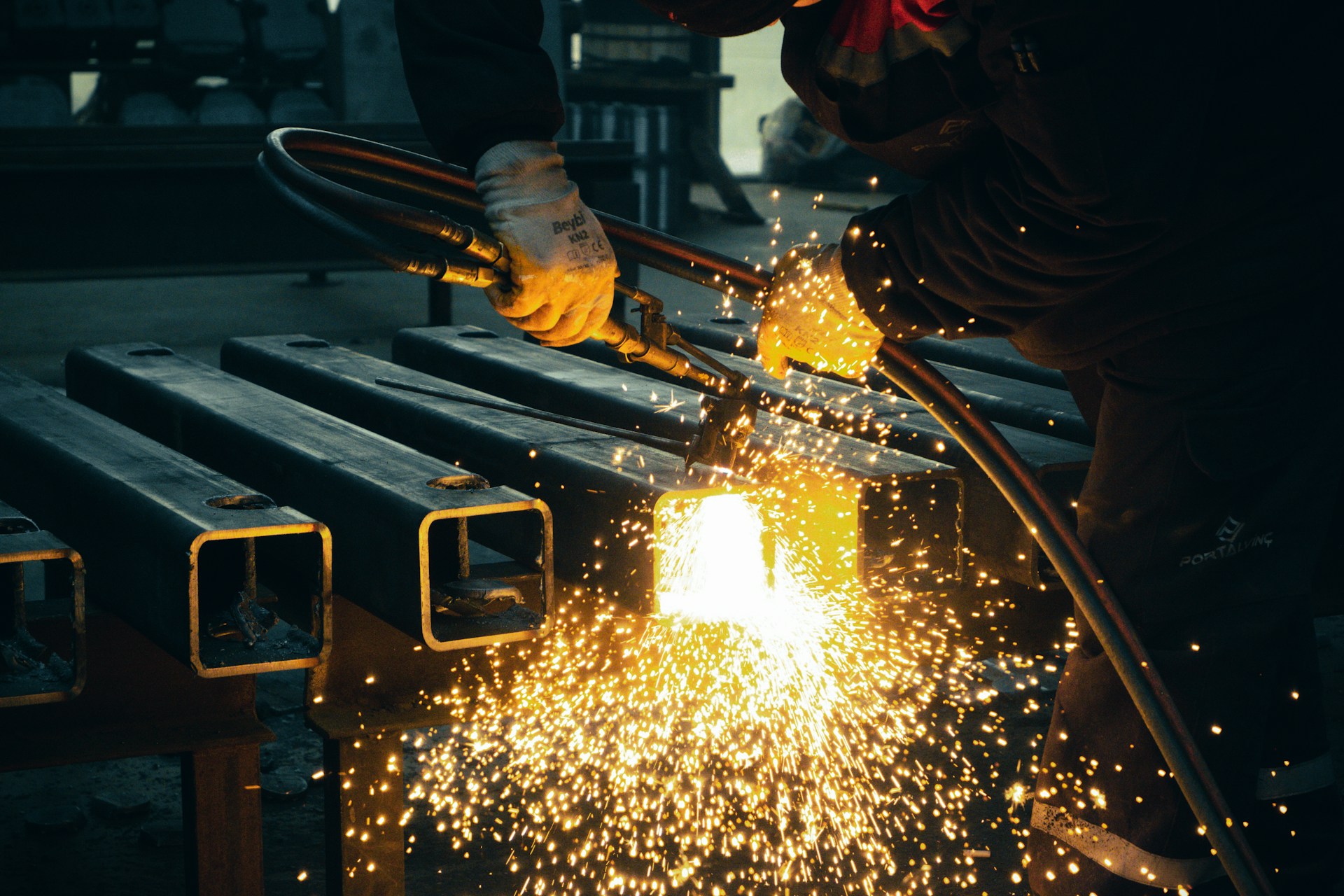
Night shifts will always be a tougher climb. With the right plan, crews can do high-risk tasks with confidence. Start with lighting, breaks, and scheduling. Back it up with training, simple technology, and a clear policy. Keep measuring and keep tuning. If you publish a one-stop guide for your team and reinforce it in toolbox talks, you will see fewer close calls and smoother handovers. If you want a fresh set of eyes on your plan or help turning this into a quick shift brief, reach out, and we can shape it for your site.

A dad of 3 kids and a keen writer covering a range of topics such as Internet marketing, SEO and more! When not writing, he’s found behind a drum kit.