The world of music is changing fast, and technology is a big part of that. From how songs are made to how we listen to them, new tools and ideas are popping up all the time. This article looks at some of the main ways music technology is evolving right now and what we might see in the future.
Key Takeaways
- Artificial intelligence is helping create music and predict what listeners will like, changing how songs are made and discovered.
- Live shows are becoming more engaging with virtual reality, augmented reality, and hybrid digital experiences.
- Blockchain technology is making music rights and payments more transparent, especially with the rise of music NFTs.
- Tools for making music are becoming easier to use and more accessible, allowing more people to create and produce tracks.
- Social media, particularly short videos, is a major driver for finding new music and connecting artists directly with fans.
The Rise Of Artificial Intelligence In Music
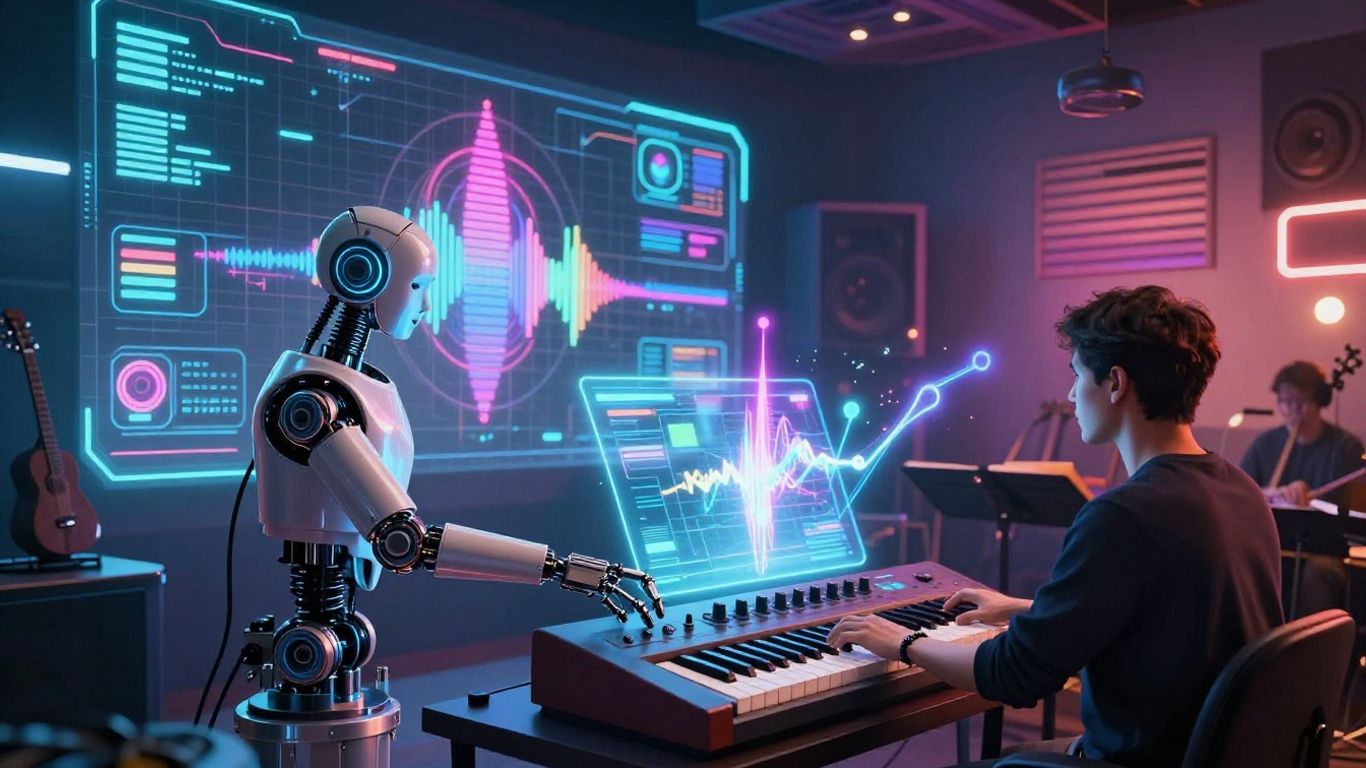
Artificial Intelligence, or AI, is no longer just a concept from science fiction; it’s actively reshaping how music is made, discovered, and experienced. This technology is opening up new avenues for creativity and personalization that were unimaginable just a few years ago. It’s not about replacing human artists, but rather about providing them with powerful new tools and insights.
AI-Assisted Composition And Production
AI is stepping into the studio, not as a replacement for producers, but as a collaborator. Tools are emerging that can help musicians overcome creative blocks or even generate entirely new musical ideas. Imagine feeding a simple melody into an AI, and it returns with a fully arranged track, complete with harmonies and instrumentation. This can significantly speed up the production process and allow artists to explore sonic territories they might not have considered otherwise.
- Generating Melodies and Harmonies: AI algorithms can analyze vast datasets of existing music to suggest new melodic structures or harmonic progressions.
- Arrangement and Orchestration: AI can assist in arranging a piece of music, suggesting instrumentation and voicings based on genre or desired mood.
- Sound Design and Synthesis: AI can be used to create unique sounds and textures, pushing the boundaries of sonic possibilities.
- Mixing and Mastering Assistance: AI tools can offer suggestions for optimizing audio levels, equalization, and overall sound quality, making professional-sounding results more accessible.
AI’s ability to process and learn from immense amounts of musical data allows it to identify patterns and create novel combinations that might elude human composers. This doesn’t diminish the artist’s role; instead, it augments their creative process.
Personalized Listener Experiences
For listeners, AI is the engine behind the increasingly tailored music recommendations we receive. Streaming platforms use sophisticated AI algorithms to analyze listening habits, identify preferences, and predict what a user might want to hear next. This goes beyond simple genre matching; AI can consider mood, time of day, and even location to curate playlists that feel uniquely personal.
- Algorithmic Playlist Generation: AI creates dynamic playlists that adapt to your listening habits over time.
- Discovery of New Artists and Genres: AI can introduce you to music outside your usual listening bubble based on subtle connections in your preferences.
- Mood-Based Recommendations: AI can suggest music that aligns with your current emotional state or desired atmosphere.
AI’s Role In Trend Prediction
Beyond creation and consumption, AI is also being employed to understand the pulse of the music industry itself. By analyzing data from streaming numbers, social media engagement, and even ticket sales, AI can help identify emerging trends and predict what might become popular. This information can be invaluable for artists looking to connect with audiences, labels seeking to invest in new talent, and even marketers planning campaigns.
| Data Point Analyzed | Potential Insight |
|---|---|
| Streaming Velocity | Indicates rapid growth in popularity for a track or artist. |
| Social Media Sentiment | Gauges public reaction and buzz around new releases or artists. |
| Geographic Popularity | Shows where an artist or genre is gaining traction. |
| Lyric Analysis | Identifies recurring themes or lyrical styles that resonate with listeners. |
Transforming Live Performances With New Technologies
Live music has always been about shared energy and connection, but technology is now opening up exciting new avenues for how we experience performances. Forget just being in a crowd; we’re talking about stepping into entirely new sonic and visual worlds.
Immersive Virtual Reality Concerts
Virtual reality (VR) is taking the concept of a concert and transporting it beyond physical limitations. Imagine putting on a headset and finding yourself not just watching a performance, but being inside it. You can be front row at a show happening across the globe, or even in a fantastical digital space designed just for the music. Platforms are developing these 3D environments where fans can interact with each other and the performance in ways that feel truly present. It’s like teleporting directly to the stage, offering a front-row seat to anyone, anywhere.
Augmented Reality Enhancements
Augmented reality (AR) adds a digital layer to our physical world, and it’s doing wonders for live shows. Think about attending a festival and seeing holographic visuals of artists appear on stage, or interactive graphics that respond to the music in real-time. AR can overlay information, create dynamic light shows that extend beyond the stage, or even allow virtual elements to blend with the real environment. This technology makes existing venues feel more dynamic and can create unique visual spectacles that wouldn’t be possible otherwise.
Hybrid Live And Digital Shows
The future isn’t just about VR or AR replacing traditional concerts; it’s also about blending the best of both worlds. Hybrid shows combine an in-person event with a robust digital experience. This means fans who can’t attend physically can still participate fully online. They might get interactive features like virtual meet-and-greets, digital merchandise stores, or live chat functions that connect them with other online attendees and even the performers. This approach offers artists more flexibility in reaching their audience and provides fans with more choices for how they want to engage with their favorite music and artists.
The integration of VR, AR, and hybrid models means live music is becoming more accessible and customizable than ever before. It’s about expanding the concert experience beyond the venue walls and into a more interactive and personalized digital space.
Blockchain’s Impact On Music Rights And Royalties
Transparent Royalty Distribution
For a long time, figuring out who gets paid what when a song is played has been a tangled mess. Record labels, publishers, and various collecting societies all play a part, and sometimes, it feels like a lot of money gets lost in the shuffle. Blockchain technology offers a way to untangle this by creating a clear, shared record of every transaction. Think of it like a digital ledger that everyone involved can see. Every time a song is streamed, downloaded, or used, it can be recorded on the blockchain. This means that payments can be sent directly to the rightful owners – the songwriters, producers, and artists – much faster and with fewer fees. It’s all about making sure everyone gets their fair share without the usual delays and confusion.
Securing Music Ownership
Owning your music is a big deal for artists. Blockchain can help make that ownership more secure and easier to prove. When music is registered on a blockchain, it gets a unique digital fingerprint. This makes it much harder for someone to claim your work as their own. It’s like having a digital deed for your song. This can also be useful for licensing music, as the terms and ownership are clearly laid out and verifiable on the blockchain. This transparency can help prevent disputes and ensure that artists maintain control over how their music is used.
The Emergence Of Music NFTs
Non-fungible tokens, or NFTs, have popped up as a really interesting way for artists to connect with fans and create new income streams. Basically, an NFT is a unique digital item that lives on the blockchain. For musicians, this could be a limited edition track, album art, a special video clip, or even a virtual concert ticket. By selling these as NFTs, artists can offer exclusive content directly to their fans, bypassing traditional intermediaries. This not only gives fans something unique to own but also allows artists to earn money in new ways. It’s a way to build a closer community and reward loyal supporters with digital collectibles that have real value.
The Evolution Of Music Creation Tools
The way music is made has changed a lot, and technology is a big reason why. Gone are the days when you needed a massive studio filled with expensive gear to create something that sounded good. Today, powerful tools are available to almost anyone, making music creation more accessible and experimental than ever before.
Accessible Digital Audio Workstations
Digital Audio Workstations, or DAWs, are the heart of modern music production. Software like Ableton Live, Logic Pro, and FL Studio have become incredibly sophisticated, offering a complete studio environment within your computer. These programs allow you to record, edit, mix, and master audio, all in one place. The barrier to entry for producing professional-sounding music has significantly lowered, allowing more people to explore their creative ideas. Many DAWs now come with extensive libraries of sounds and effects, and they are constantly updated with new features that mimic or even surpass traditional studio hardware.
Virtual Instruments And Sound Manipulation
Beyond just recording, the creation of sound itself has been revolutionized. Virtual instruments, which are software-based emulations of real-world instruments (and many that don’t exist in reality), offer an enormous palette of sounds. Synthesizers, samplers, and drum machines are now digital, providing endless possibilities for sound design. Producers can tweak every aspect of a sound, from its attack and decay to its pitch and timbre, creating entirely new sonic textures. This level of control means that a single producer can create complex arrangements that once required a full band or orchestra.
Mobile Production Capabilities
One of the most exciting developments is the rise of music production on mobile devices. Smartphones and tablets are no longer just for listening to music; they are powerful production tools. Apps like GarageBand, Koala Sampler, and BandLab allow users to create beats, record vocals, and even mix full tracks on the go. This portability means that inspiration can strike anywhere, and ideas can be captured and developed immediately. It’s a game-changer for artists who want to work on their music during commutes, breaks, or while traveling, making the creative process more fluid and spontaneous.
The democratization of music creation tools means that talent and creativity are becoming more important than access to expensive equipment. This shift is leading to a more diverse and innovative musical landscape.
Social Media’s Influence On Music Discovery
Social media has fundamentally changed how we find new music. It’s no longer just about radio play or record store recommendations. Platforms like TikTok, Instagram Reels, and YouTube Shorts have become powerful engines for music discovery, often launching songs and artists into the mainstream almost overnight. The short-form video format is particularly effective because it allows for quick, catchy snippets of songs to go viral. This democratization of discovery means that anyone, from established stars to bedroom producers, can potentially reach a massive audience.
Short-Form Content For Virality
The 15-second clip has become a significant unit in music promotion. A catchy hook or a memorable beat can be enough to make a song trend, leading to millions of streams and chart success. Artists and labels are now actively creating music with this in mind, crafting "snackable" content designed to grab attention immediately. This has led to a shift in songwriting, prioritizing immediate impact over traditional song structures.
Direct Artist-To-Fan Engagement
Social media also allows artists to connect directly with their listeners. They can share behind-the-scenes content, announce new releases, and interact with fans in real-time. This direct line of communication builds stronger relationships and a more dedicated fanbase. Platforms are increasingly integrating features that make it easier for fans to transition from discovering a song on social media to listening to it on a streaming service, like adding songs to playlists.
Integrated Streaming Platform Features
Many social media platforms now have built-in features that link directly to streaming services. Seeing a song in a viral video can lead to an immediate listen on Spotify or Apple Music. This seamless integration shortens the path from discovery to consumption, making it easier than ever for new music to find its audience. The way we find music is constantly evolving, and social media is at the forefront of this change.
The Future Of Music Consumption
The way we listen to music is always changing, and the future looks even more interesting. Streaming services have become the main way most people hear music, but things are shifting. We’re starting to see new ideas about how these services work, moving beyond just paying a flat fee.
Subscription Model Innovations
Subscription services are getting a rethink. Instead of all the money going into one big pot that gets split up, a new idea called fan-centric streaming is gaining traction. This means if you listen to a specific artist a lot, more of your subscription fee goes directly to them. It’s a fairer way to pay artists, especially smaller ones, and could really change how streaming platforms operate. Plus, these platforms are adding more than just music. Think podcasts, audiobooks, and exclusive artist interviews – all part of a bigger audio experience you can subscribe to.
Fan-Centric Streaming Approaches
This fan-centric model is all about putting the listener’s choices at the forefront. It’s a direct response to ongoing discussions about how artists are compensated in the current streaming economy. By aligning subscription revenue more closely with individual listening habits, it aims to create a more equitable system. This approach could lead to:
- Increased revenue for artists with dedicated fan bases.
- Greater transparency in how subscription money is distributed.
- A more direct connection between fan listening and artist support.
- Potential for niche genres to thrive with more targeted financial backing.
The shift towards fan-centric models suggests a move away from a one-size-fits-all approach in music streaming. It acknowledges the diverse ways fans engage with music and seeks to reward artists more directly for that engagement. This could reshape artist careers and fan-artist relationships.
The Blurring Lines Of Audio Content
Music platforms are no longer just for songs. They are becoming hubs for all sorts of audio. This means you might find yourself subscribing to a service that offers not only your favorite albums but also podcasts from your most-loved musicians, exclusive behind-the-scenes audio documentaries, or even live audio streams from concerts. The idea is to create a complete audio world for listeners, where music discovery and consumption are part of a broader soundscape. This integration makes it easier for fans to stay connected with artists across different types of content, all within a single, convenient subscription.
The Road Ahead
It’s clear that music technology isn’t just changing; it’s growing and adapting at a rapid pace. From how we create tunes with AI to how we experience live shows through virtual reality, the possibilities seem endless. Artists now have more tools than ever to connect with audiences worldwide and explore new creative paths. As these innovations continue to unfold, the music landscape will undoubtedly keep shifting, offering exciting new ways for everyone to engage with the sounds we love. The future is here, and it’s playing a brand new song.
Frequently Asked Questions
How is artificial intelligence changing music creation?
Artificial intelligence (AI) is helping musicians create music in new ways. AI tools can help write songs, create beats, and even mix and master tracks. This makes it easier for more people to make high-quality music without needing years of training. AI can also suggest new song ideas or help artists figure out the best time to release their music.
What are virtual and augmented reality doing for live music?
Virtual reality (VR) lets people experience concerts as if they were really there, even from their homes. Augmented reality (AR) can add cool digital effects to live shows, like making holograms of artists appear. These technologies offer new and exciting ways for fans to connect with music and performances, making them more accessible and interactive.
How does blockchain technology help musicians with their rights and payments?
Blockchain is like a super secure digital record book. It can keep track of who owns music and make sure artists get paid fairly and on time when their songs are played or sold. This technology can cut out middlemen, making the process of sharing money from music more clear and honest for everyone involved.
Are music creation tools becoming easier to use?
Yes, music creation tools are becoming much more user-friendly. Digital audio workstations (DAWs) are more accessible, and there are many virtual instruments and sound effects that allow for endless experimentation. Plus, many powerful music-making apps are now available on smartphones and tablets, letting people create music wherever they go.
How are social media platforms influencing how people find new music?
Platforms like TikTok and YouTube Shorts are huge for music discovery. Short, catchy videos can make songs go viral very quickly, helping new artists get noticed. Social media also allows artists to connect directly with their fans, sharing updates and building a community around their music.
What’s next for how we listen to music?
The way we listen to music is changing. Streaming services are evolving, with ideas like ‘fan-centric’ streaming where your subscription money goes more directly to the artists you listen to. Also, music platforms are starting to offer more than just songs, including podcasts and other audio content, creating new ways to enjoy sound.