
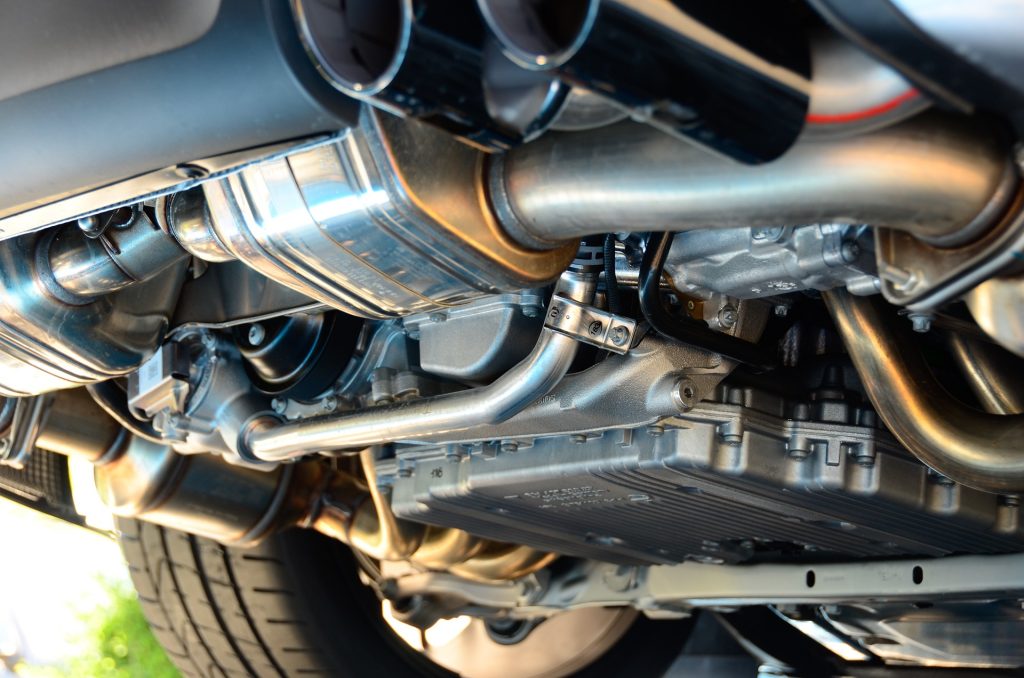
If you’ve ever driven a 2014 Silverado 5.3 and thought, “Man, this truck has more in it than I’m getting,” you’re not imagining things. Stock exhausts do their job—they keep noise down, meet emissions, and are easy to live with—but they also hold your engine back. That’s where Chevy exhaust headers come in. Swap them in, and suddenly your truck feels awake in a way stock just can’t touch.
Why Headers Matter
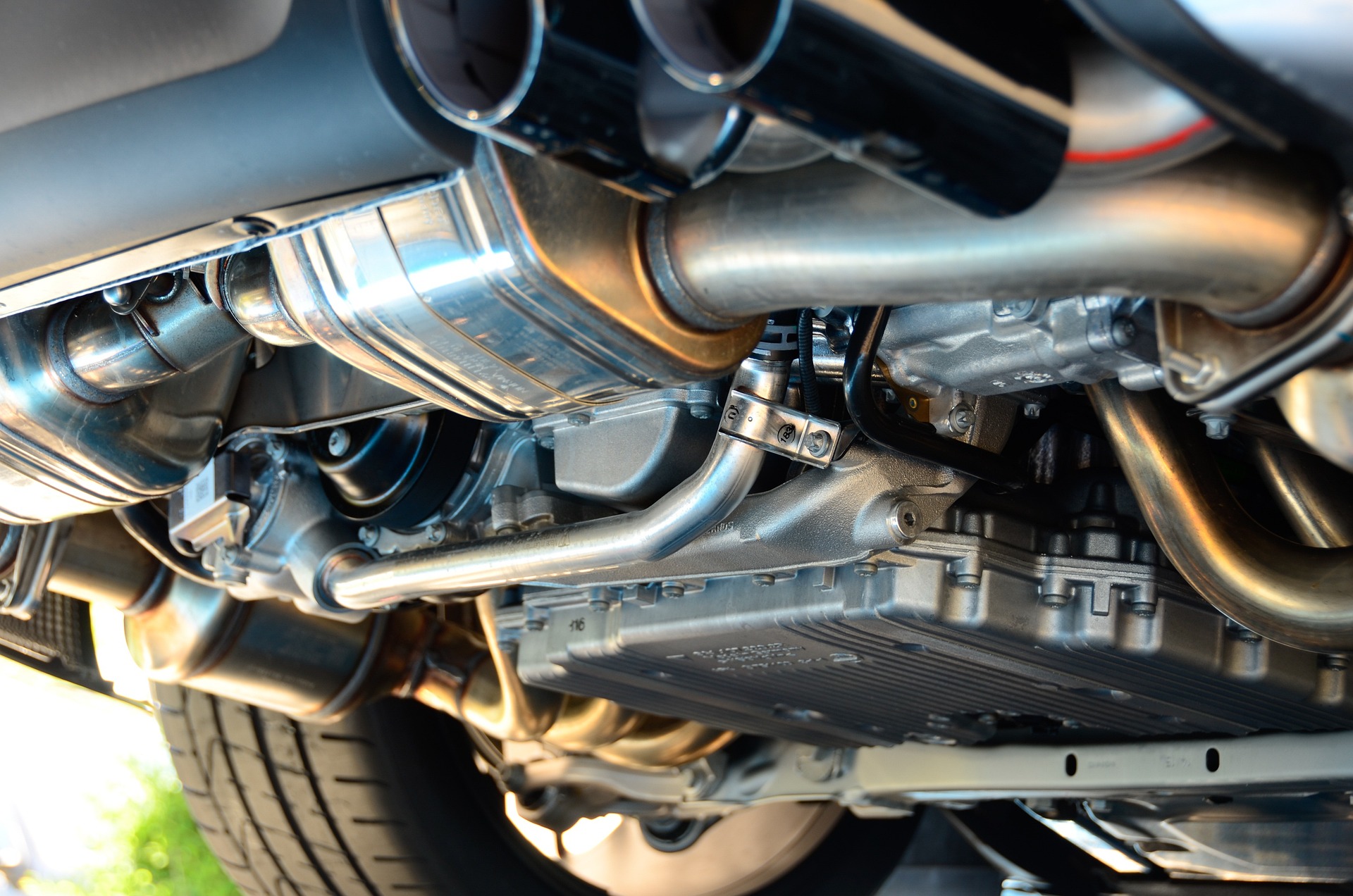
Stock manifolds are alright for everyday driving, but let’s be honest: they’re essentially like training wheels. They help you where you need to go, but they prevent your engine from stretching its legs. Installing 2014 5.3 Silverado headers immediately alters this. Your engine begins to demonstrate what it’s capable of as backpressure decreases and exhaust gases travel more easily. You will hear it as well as experience it in the throttle response. That guttural, comforting growl? It’s addictive.
I recall assisting a friend with his Silverado project. We fired it up with a set of long-tube headers, grinned even just resting in the driveway at the sound. Bring it down the road and suddenly every red light seems like a little drag race.
Long Tube vs. Short Tube: What You Need to Know
One of the first things individuals get stopped on is selecting between short tube and long tube headings. Short tubes are less noisy, quick to install, and work great if you only want a little improvement. Long pipes, though, are those that really get your engine started. They increase general power, open up exhaust flow, and enhance scavenging.
Long tubes are often the sweet spot for a 2014 5.3 Silverado. Installing them does require some more tolerance, yes. Yes, a few bolts will fight you. What then is the reward? better acceleration, more pulling capacity, and that characteristic V8 rumble that draws attention.
Installing Headers: Reality Check
Let us not minimize it: headers are not a five-minute replacement. Plan on a few hours even if you are tool-smart. You’ll fight bolts, line up gaskets, and possibly scratch your head over a bracket or two. Particularly close to sensors, clearances can be limited.
But here’s the catch: it’s magical when it’s in and you change the key. The engine feels live, the sound is great, and you understand all the effort was justified. A local store might handle the installation if you would rather avoid doing it yourself. Watching a professional work on it is somewhat satisfying, like observing a jigsaw puzzle come together.
The Real Gains
What, so do Chevy headers really provide you? First, torque and horsepower. A good set may readily gain you 15–20 extra horsepower on a 2014 Silverado 5.3L without any tweaking. Towing doesn’t feel like a burden, throttle response is crisper, and acceleration feels sharper.
Fuel efficiency can improve a bit too. With less backpressure, your engine works more efficiently. Some trucks even get an extra half mile per gallon. And that sound—stock trucks are polite, headers are bold. Long tubes especially give a deep, throaty rumble that makes your truck impossible to ignore.
Choosing the Right Headers
Material and finish matter more than you might think. Stainless steel is my go-to—it resists rust, handles heat well, and looks great in the engine bay. Polished headers look amazing if you like showing off a clean engine compartment.
Also, go for a kit that comes with everything: gaskets, bolts, maybe even X-pipes. Cheap parts can save you a few bucks up front, but dealing with fitment issues later? Not worth it. Good headers make the install smoother and the final result much cleaner.
My Personal Experience
I’ve done headers on a few Chevys, and the reactions are always the same. First start-up, and everyone’s grinning. I helped a friend install 2014 5.3 Silverado headers once. We weren’t expecting fireworks, but the difference was immediate. Throttle response improved, towing felt easier, and that deep growl made every drive feel exciting.
Even if you hit minor fitment quirks, it’s usually nothing a pry bar or a little elbow grease can’t fix. Once installed, headers last a long time and make every drive better. It’s a mod you’ll appreciate every time you hit the road.
Keeping Them in Shape
Headers aren’t “set it and forget it.” Check bolts, inspect for rust or damage, and keep them clean. Heat wraps can protect nearby components and even slightly improve performance. A little maintenance goes a long way.
Wrapping It Up
One of the most gratifying changes you can make is upgrading to Chevy exhaust headers, particularly 2014 5.3 Silverado headers. It’s not all about power. It involves giving your Silverado the voice it deserves, sharpening throttle response, increasing efficiency, and ultimately making your truck feel alive.
Every trip becomes more interesting, more involving, more “you.” And honestly? You’ll question why you waited so long once you encounter it. The truck feels stronger, sounds better, and even a short trip seems like a small adventure.

Shikha Negi is a Content Writer at ztudium with expertise in writing and proofreading content. Having created more than 500 articles encompassing a diverse range of educational topics, from breaking news to in-depth analysis and long-form content, Shikha has a deep understanding of emerging trends in business, technology (including AI, blockchain, and the metaverse), and societal shifts, As the author at Sarvgyan News, Shikha has demonstrated expertise in crafting engaging and informative content tailored for various audiences, including students, educators, and professionals.










