The Massachusetts Institute of Technology in Cambridge is a place many people want to visit. It’s known for a lot of science and new ideas. People come from all over to see what it’s like. This guide will help you explore what makes MIT so special, from its buildings to its student life and the nearby areas.
Key Takeaways
- The Massachusetts Institute of Technology in Cambridge is a world-renowned center for science, technology, and innovation.
- Campus architecture is a notable feature, with landmarks like the Great Dome and the unique Stata Center.
- The MIT Museum offers interactive exhibits that showcase the institution’s research and historical contributions.
- Visitors can experience vibrant campus life, including public art, events, and guided tours.
- Exploring the surrounding Kendall Square and the greater Boston area provides further opportunities to discover innovation and culture.
Discovering the Massachusetts Institute of Technology in Cambridge
Welcome to the Massachusetts Institute of Technology, or MIT, a place that’s much more than just a university. Situated in Cambridge, Massachusetts, right across the Charles River from Boston, MIT is a global center for learning, research, and, well, making things happen. Since its founding in 1861, it’s been a driving force in science, technology, and engineering, constantly pushing the boundaries of what’s possible.
A Beacon of Innovation and Research
MIT is famous for its groundbreaking work. Think of it as a place where ideas are born and then turned into reality. Researchers and students here are involved in everything from developing new artificial intelligence to exploring the frontiers of biology and space. It’s this relentless pursuit of knowledge and problem-solving that makes MIT a truly special place. The institute has a long history of contributing to society, often focusing on challenges that benefit the public.
MIT’s core mission revolves around advancing knowledge and educating students in science and technology, with a strong emphasis on practical application and societal impact.
Architectural Marvels on Campus
Walking around the MIT campus is an experience in itself. You’ll see a mix of historic buildings and strikingly modern structures. The iconic Great Dome is a must-see, and nearby Killian Court is often a spot for gatherings and events. Then there’s the Stata Center, designed by Frank Gehry, which looks like something out of a science fiction movie with its unusual angles and shapes. It’s a campus that reflects the creativity and forward-thinking spirit of the people within it.
Here are a few architectural highlights:
- The Great Dome: An unmistakable symbol of MIT, housing the MIT Libraries.
- Stata Center: A complex building known for its unconventional design.
- Walker Memorial: One of the older buildings, offering a glimpse into the institute’s past.
Vibrant Campus Life and Student Activities
Beyond the labs and lecture halls, MIT has a lively campus atmosphere. Students are involved in a wide range of clubs, organizations, and activities. Whether it’s robotics competitions, hackathons, or artistic endeavors, there’s always something going on. This energy contributes to the unique culture of MIT, where intense academic work is balanced with a strong sense of community and collaboration.
MIT’s location in Cambridge also places it in the heart of a thriving tech and startup scene, often referred to as Kendall Square. This proximity means students and faculty are constantly interacting with the latest industry trends and opportunities.
Exploring the MIT Museum: A Window into Innovation
A Legacy of Scientific Excellence
The MIT Museum is more than just a collection of artifacts; it’s a dynamic space that truly captures the spirit of discovery and invention that defines MIT. Located in the heart of Cambridge, this museum acts as a gateway, offering visitors a look into the groundbreaking work happening at one of the world’s leading research institutions. It’s a place where the past, present, and future of science and technology converge, making it a must-see for anyone curious about how things work and where we’re headed.
From the earliest days of computing to the latest in robotics and artificial intelligence, the museum traces the evolution of ideas. You can see how concepts that once seemed like science fiction have become reality, thanks to the relentless curiosity and hard work of MIT’s students and faculty. It’s a testament to the power of human ingenuity and the drive to solve complex problems.
Interactive Exhibits and Engaging Experiences
What makes the MIT Museum stand out is its commitment to hands-on learning. Forget dusty displays behind velvet ropes; here, you’re encouraged to interact, experiment, and play. The exhibits are designed to be accessible, breaking down complex scientific and technological concepts into understandable and often fun experiences.
- Robotics: Get up close with robots, learn about their mechanics, and even see them in action.
- Artificial Intelligence: Explore how AI is changing our world, from everyday applications to future possibilities.
- Holography: Discover the science and art behind 3D imaging and its applications.
- MIT’s History: Understand the pivotal moments and inventions that have shaped technology and society.
These interactive elements mean that visitors of all ages can engage with the material, sparking curiosity and a deeper appreciation for the fields of science and technology. It’s an environment that inspires questions and encourages exploration.
Architectural Design and Visitor Flow
The museum building itself reflects the innovative spirit it houses. Its design is modern and functional, creating an environment that is both visually appealing and easy to navigate. The layout encourages a natural flow through the exhibits, allowing visitors to explore at their own pace without feeling rushed or lost.
Open gallery spaces and thoughtful exhibit design ensure that the focus remains on the displays and the ideas they represent. The architecture supports the educational mission, providing a backdrop that is clean and contemporary, allowing the innovations on show to take center stage. It’s a space built for discovery, where the journey through the exhibits is as engaging as the content itself.
The MIT Museum serves as a vital bridge, connecting the public with the complex and exciting world of scientific and technological advancement. It demystifies innovation, making it accessible and inspiring for everyone who walks through its doors.
Key Landmarks and Attractions at MIT
As you explore the Massachusetts Institute of Technology, you’ll find several spots that are not just buildings, but symbols of its innovative spirit and rich history. These places offer a glimpse into the daily life, iconic architecture, and artistic expressions found on campus.
The Iconic Great Dome and Killian Court
The Great Dome is perhaps the most recognizable symbol of MIT. Located atop the main building, it’s an impressive structure that houses the Institute’s library. Adjacent to it is Killian Court, a beautiful, open green space. This area is where MIT holds its commencement ceremonies each year, making it a place of significant tradition and celebration. Standing in Killian Court and looking up at the Great Dome is a quintessential MIT experience. It’s a popular spot for photos and a quiet place to reflect amidst the bustling campus.
The Stata Center and Its Unique Features
The Stata Center, designed by architect Frank Gehry, is a striking example of modern, unconventional architecture. Its design is characterized by its unusual shapes, angled walls, and colorful exterior. Inside, it houses various academic departments and research labs. The building is also known for its "hacks" – elaborate pranks or installations often created by students. You might find displays showcasing some of these famous MIT pranks, offering a peek into the playful side of this serious academic institution.
Public Art Installations Across Campus
MIT’s campus is dotted with a variety of public art installations, showcasing the intersection of art, science, and technology. These pieces range from large-scale sculptures to smaller, thought-provoking works. You can find works by renowned artists scattered throughout the grounds. These installations not only add aesthetic appeal to the campus but also serve as conversation starters, reflecting MIT’s commitment to a well-rounded approach to innovation and creativity. Keep an eye out as you wander; you never know what artistic surprise you might encounter around the next corner.
Navigating Your Visit to MIT

The MIT Welcome Center: Your Starting Point
Planning your visit to MIT begins at the Welcome Center, located at 292 Main Street in Kendall Square. It’s right next to the Kendall/MIT MBTA subway station, making it super easy to get to. Inside, you can grab a campus map, use the restrooms, refill your water bottle, or connect to the free Wi-Fi. There’s also a nice green space nearby if you need a break or want to eat lunch. The Welcome Center is open weekdays from 9 a.m. to 4 p.m., except on MIT holidays.
Getting Around Cambridge and Beyond
MIT is situated in Cambridge, Massachusetts, just across the Charles River from Boston. The campus itself is quite walkable, but Cambridge and Boston offer a variety of transportation options.
- MBTA (The "T"): The subway system is a convenient way to travel between MIT, Boston, and other parts of Cambridge. The Red Line has a stop right at Kendall/MIT.
- Biking: Cambridge is a very bike-friendly city. You’ll find bike lanes and racks throughout the MIT campus and surrounding areas.
- Walking: Many attractions on campus and in Kendall Square are easily accessible on foot.
- Ride-Sharing Services: Taxis and ride-sharing apps are readily available.
Getting around the area is straightforward, with public transit options connecting you easily to Boston’s many historical sites and cultural attractions. Consider purchasing a CharlieCard for convenient travel on the MBTA.
Campus Events and Public Lectures
MIT frequently hosts events that are open to the public, offering a fantastic opportunity to experience the institute’s dynamic atmosphere. Checking the MIT Events Calendar before your visit is highly recommended.
- Public Lectures: Many departments host talks by leading researchers and thinkers. These are often free and open to anyone interested.
- Exhibitions: The MIT Museum, List Visual Arts Center, and Koch Institute Public Galleries often have rotating exhibits that showcase the latest in science, technology, and art.
- Campus Tours: While official tours are often geared towards prospective students, keep an eye out for public walking tours or events that might offer insights into campus life and history. Student-led tours can provide a unique perspective.
Don’t miss the chance to explore the campus for public art installations and architectural highlights like the Great Dome.
Beyond the Campus: Exploring Cambridge and Boston
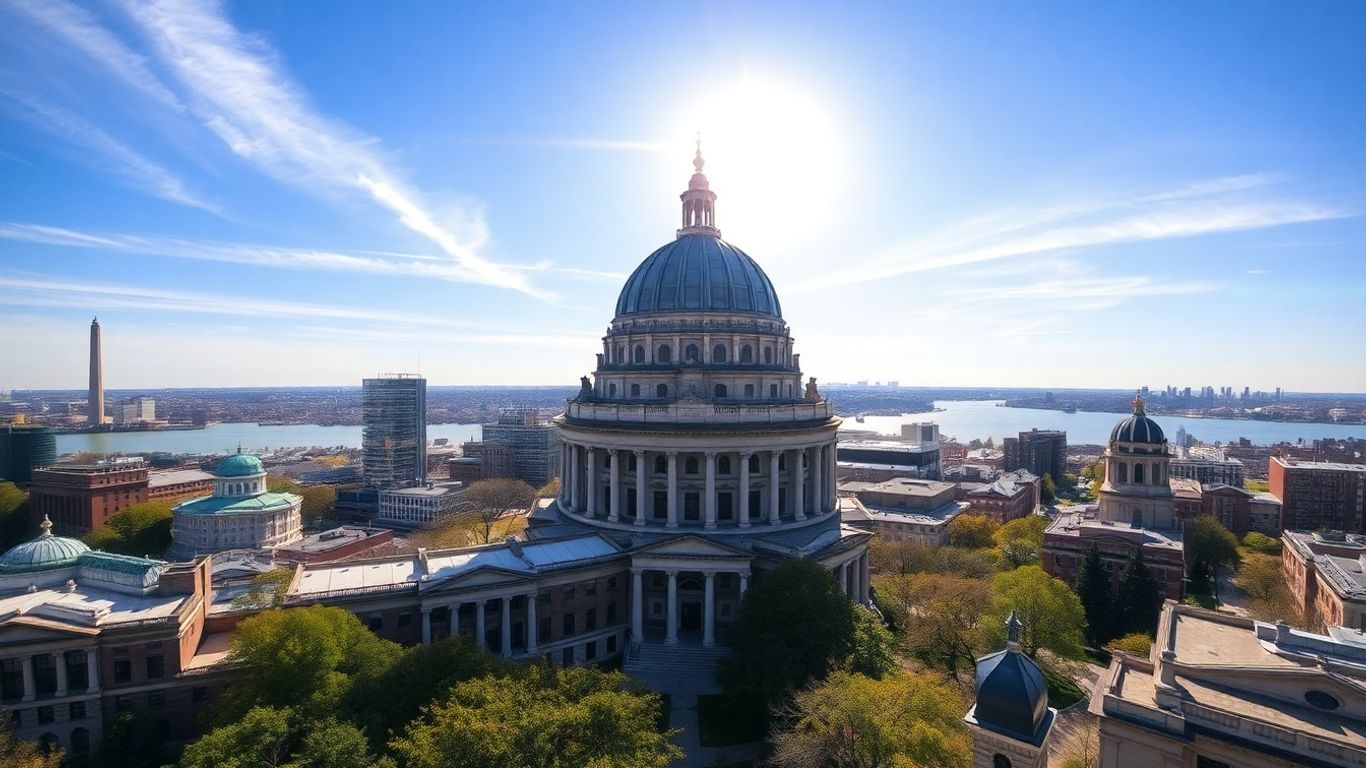
While MIT itself is a world of innovation, the surrounding areas of Cambridge and Boston offer a wealth of experiences that complement any visit. These cities are rich in history, culture, and a vibrant modern energy, making them destinations worth exploring.
Kendall Square: A Hub of Technology and Startups
Just a short walk from MIT, Kendall Square has transformed into a global center for innovation. It’s often called "the most innovative square mile on the planet" due to its high concentration of technology companies and startups. You’ll find a dynamic atmosphere here, with bustling cafes and restaurants catering to the bright minds working in biotech, software, and advanced research. It’s a fascinating place to observe the intersection of academia and industry, and a testament to the region’s forward-thinking spirit. For those interested in the business side of innovation, exploring this area provides a unique perspective.
Nearby Cultural Institutions and Attractions
Cambridge and Boston boast an impressive array of cultural institutions. A short trip across the Charles River brings you to Boston, where you can walk the historic Freedom Trail, visit world-class museums like the Museum of Fine Arts, or catch a game at Fenway Park. In Cambridge, beyond MIT, you can explore the grounds of Harvard University and its own array of museums. The MIT Museum itself is a great starting point, but don’t miss the chance to see what other institutions have to offer. Many of these places are accessible via public transport, making it easy to plan a day of exploration.
The Charles River and Surrounding Areas
The Charles River serves as a beautiful natural boundary and a recreational hub for both cities. A walk or bike ride along its banks offers scenic views of the Boston and Cambridge skylines. You can often see rowing teams practicing, sailboats gliding by, or people enjoying the parks. The riverfront areas provide a peaceful escape from the urban bustle and are perfect for a leisurely afternoon. Consider renting a Bluebike, the local bike-share program, to easily explore the riverside paths and connect between different points of interest.
Getting around these vibrant cities is made easier by the MBTA, commonly known as "the T." This public transportation system connects major attractions and neighborhoods, offering an efficient way to travel. Parking can be challenging and costly, so utilizing the T or rideshare services is often recommended for a smoother experience.
Here are some popular attractions in the vicinity:
- Museum of Science, Boston: Offers interactive exhibits for all ages.
- Harvard University: Explore historic Harvard Yard and its museums.
- Freedom Trail: A 2.5-mile path through downtown Boston, marking historic sites.
- Boston Public Garden: America’s first public botanical garden, perfect for a stroll.
When planning your visit, remember that many businesses are working to improve accessibility for disabled customers, making it easier for everyone to enjoy the sights and sounds of Cambridge and Boston. Check local listings for specific accessibility information.
A Lasting Impression of Innovation
So, that’s a look at the Massachusetts Institute of Technology. It’s more than just a school; it’s a place where ideas really come to life, from the buildings themselves to the work happening inside. Whether you’re interested in the latest tech, the history of invention, or just seeing what the future might look like, MIT offers a lot to explore. It’s a spot that definitely leaves you thinking about what’s possible. If you’re ever in the Cambridge area, it’s worth checking out to see this hub of creativity firsthand.
Frequently Asked Questions
What is MIT famous for?
MIT is known worldwide for being a top school in science, technology, and engineering. It’s a place where new ideas are born and big discoveries happen, making it a leader in innovation.
What are some must-see spots on the MIT campus?
You should definitely check out the Great Dome, which is a very recognizable building. The Stata Center is also interesting because of its unique and modern design. Walking around the campus, you’ll also find cool art pieces.
Is the MIT Museum worth visiting?
Yes, the MIT Museum is highly recommended. It shows off amazing inventions and research from MIT in a fun, hands-on way. You can learn about robots, computers, and much more.
Can visitors explore the MIT campus?
Absolutely! You can walk around the campus, and there are often guided tours available that are led by students. These tours are a great way to learn about the school’s history and what makes it special.
What is there to do near MIT?
The area around MIT, especially Kendall Square, is full of tech companies and startups. You can also explore other parts of Cambridge, like Harvard University, or cross the river to see attractions in Boston.
Where can I get information when I visit?
The MIT Welcome Center is the best place to start. You can get maps, ask questions, and find out about visiting the campus. It’s located in Kendall Square.