If you’ve spent any time on AI Twitter or LinkedIn this year, you’ve seen the debate. Manus AI shows up in a viral demo, finishing a whole research report or building a small app without anyone typing a second prompt. Then someone shares a Claude thread where it untangles a messy 40-page contract or rewrites a chunk of legacy code in a way that actually makes sense. Both moments look impressive. But they’re not really answering the same question, and that’s the part most comparisons skip.
Before you pick a side, it helps to understand what each tool is actually trying to do for you.
What Manus AI Brings to the Table

Manus AI is built around one idea: give it a goal, and it runs with it. You describe an outcome, like “research three competitors and put together a summary,” and it works through the steps on its own, browsing, gathering data, writing, and assembling a finished output. You’re not babysitting each move.
That autonomy is the whole appeal. For repetitive research tasks, market scans, or first drafts of a project, it can save you a genuine chunk of time. The catch is that autonomy cuts both ways. When it works, it feels like magic. When it misreads a step three moves in, the error can quietly carry through the rest of the task, and you won’t always catch it until you’re reviewing the final result.
What Claude Brings to the Table
Claude takes the opposite approach. It’s built to respond to you, not to run off without you. You give it a prompt, it gives you an answer, and you decide what happens next. That back-and-forth might sound slower, but it’s exactly why so many people trust it with high-stakes work: contracts, technical documentation, code reviews, anything where a small mistake is expensive.
Where Claude tends to pull ahead is in reasoning quality and consistency. Long documents, nuanced writing, careful instruction-following, and coding tasks that require actually understanding the codebase rather than pattern-matching a solution — this is where it holds up under pressure. You stay in the loop the whole time, which is a constraint if you want full automation, but a real advantage if you need to trust the output.
The Real Difference: Autonomy vs Control
Strip away the branding and the comparison comes down to one question: how much do you want to supervise?
If you’re comfortable checking the work at the end and correcting anything off, an autonomous agent can genuinely save you hours. If you’re working on something where errors compound, or where the output goes straight to a client or a codebase without a second look, having a human check each step matters more than speed.
This is also why so many people end up looking past Manus itself and exploring other options entirely. If you’re weighing this decision, it’s worth browsing this breakdown of Manus alternatives before committing, since the landscape has gotten a lot more varied than it was even six months ago. Some of those alternatives lean fully autonomous like Manus, while others sit closer to Claude’s supervised model, so it’s less about finding “the winner” and more about matching the tool to how much control you actually want to give up.
Coding and Technical Work
For anything code-related, the gap becomes clearer. Manus can spin up a basic app end-to-end, which is genuinely useful for prototypes or throwaway internal tools. But for real engineering work, debugging tricky logic, refactoring old code, making architectural calls, Claude’s reasoning tends to hold up better. It reads the surrounding context, explains its thinking, and lets you push back if something looks off, instead of quietly running with an assumption.
If you write code for a living or maintain something that other people depend on, that difference in reliability isn’t a small detail. It’s the whole reason to pick one over the other.
Cost, Data, and Where Your Information Goes
This part gets less attention than it should. Manus runs your tasks in a cloud sandbox, which is convenient, but it also means your data travels through servers you don’t control. For casual research, that’s fine. For anything sensitive, client work, internal financials, proprietary code, it’s worth pausing on.
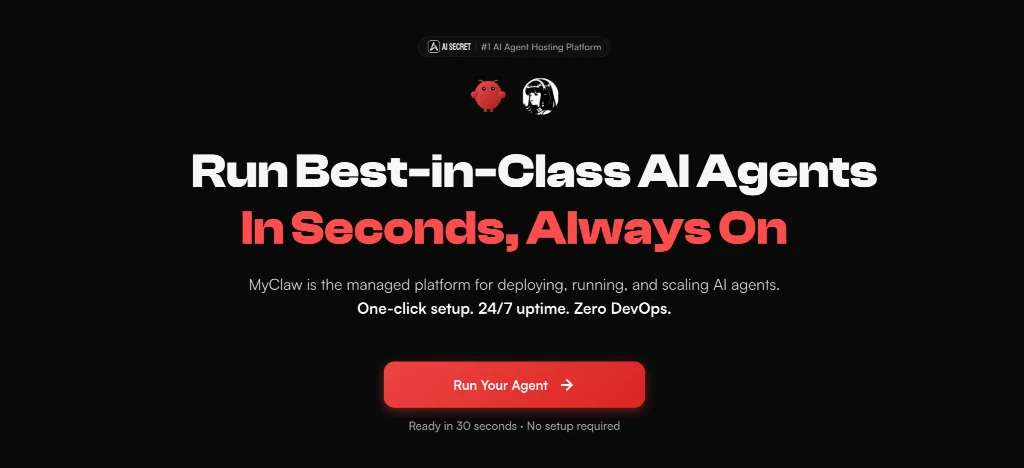
If keeping your data closer to home matters to you, there’s a middle path worth knowing about. Instead of choosing between a fully cloud-based agent and a fully manual workflow, you can run an open-source agent framework yourself. Looking into OpenClaw hosting is a reasonable step if you want agent-style automation without handing everything over to a third-party sandbox. It’s not a perfect substitute for either Manus or Claude, but it gives you a way to keep more of the process under your own roof while still getting the benefits of automation.
So Which One Should You Pick?
There isn’t a universal answer, but a few patterns show up consistently.
If you’re running a small team or handling client-facing work
Claude is usually the safer default. It fails less often on the document analysis, careful writing, and coding work that fills most weeks, and when it does miss, it’s easier to catch because you’re reviewing along the way.
If you’re doing heavy, repetitive research on your own
Manus earns its keep here. Weekly market scans, multi-source research pulls, first-draft reports, tasks where you’d rather review a finished output than do every step yourself.
If data privacy or long-term cost is your biggest concern
This is where it’s worth stepping outside the Manus-vs-Claude framing entirely and looking at self-hosted or alternative setups instead.
At the end of the day, the “vs” in this comparison is a little misleading. You’re not really choosing a winner. You’re choosing how much control you want to keep, and matching that to the kind of work you actually do. Get that part right, and the rest of the decision gets a lot easier.