The world of information technology, or inf technology, is always on the move. It feels like every day there’s something new popping up, changing how we work and live. We’ve seen big shifts, like more people working from home and a huge focus on keeping our digital stuff safe. Plus, things like AI and cloud computing are becoming super important. This article looks at what’s happening now and what might be next in inf technology.
Key Takeaways
- Remote work is no longer a temporary fix; it’s a lasting part of the inf technology landscape, requiring flexibility from professionals.
- Cybersecurity is now the top technical skill IT workers need, showing how vital protecting digital systems has become.
- Artificial intelligence (AI), quantum computing, and edge computing are seen as the main emerging technologies that will change inf technology.
- IT professionals are actively preparing for these changes through online courses and professional development, though finding the time can be a challenge.
- Businesses are investing in AI, cybersecurity, and cloud computing, recognizing their importance in staying competitive and adapting to the fast-changing inf technology field.
The Shifting Landscape of Inf Technology

The world of information technology is in constant motion, and understanding these shifts is key to staying relevant. It feels like just yesterday we were all talking about the next big thing, and now, that thing is already evolving. This rapid pace means we all need to be ready to adapt.
Embracing Remote Work and Flexibility
Remote work isn’t just a temporary fix anymore; it’s become a standard way of operating for many. This shift has changed how teams connect and get work done. It means IT professionals need to be flexible and find new ways to collaborate effectively, no matter where they are. This move towards distributed teams requires robust digital tools and a focus on clear communication. It’s about making sure everyone can contribute and innovate, even when not in the same office.
The Growing Importance of Cybersecurity
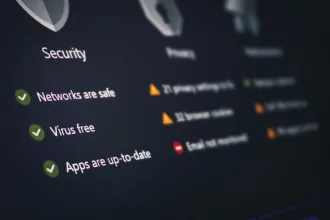
As our digital lives expand, so do the risks. Cybersecurity has moved from being a specialized IT function to a core concern for everyone. Protecting data and systems is more critical than ever. The threats are becoming more sophisticated, and the speed at which they can impact an organization is increasing. This means IT teams must constantly update their defenses and stay informed about the latest security challenges. It’s a continuous effort to safeguard digital assets.
Data Analytics and Cloud Computing’s Rise
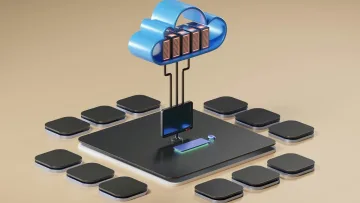
Cloud computing has fundamentally changed how businesses store and access information, making data more available than ever. Alongside this, data analytics has become a powerful tool for making sense of all that information. Businesses are using these insights to make better decisions and understand their customers more deeply. This combination allows for more informed strategies and can lead to better outcomes, like the growing trend of personalization in various industries, allowing for unique customer experiences.
- Cloud Computing: Provides scalable infrastructure and services.
- Data Analytics: Transforms raw data into actionable insights.
- Integration: The synergy between cloud and analytics drives business value.
The speed at which technology evolves means that what is cutting-edge today can be standard tomorrow. This requires a mindset of continuous learning and adaptation for both individuals and organizations to remain competitive and effective in the digital age.
Key Inf Technology Trends Shaping Tomorrow
The world of information technology is always on the move, and right now, a few big things are really changing the game. It’s not just about faster computers anymore; it’s about how we use them and what they can do.
Artificial Intelligence as a Disruptive Force
Artificial intelligence, or AI, is probably the most talked-about trend, and for good reason. It’s not just a futuristic idea; it’s here and actively changing how we work and live. Think about how AI helps sort through massive amounts of data to find patterns, or how it’s used in everything from recommending movies to helping doctors diagnose illnesses. AI is fundamentally changing how we approach problem-solving and decision-making across many fields. It’s making processes faster and, in many cases, more accurate than humans could manage alone. This is leading to new tools and services that were unimaginable just a few years ago.
AI’s impact is so broad that it’s becoming a standard part of many software applications. Instead of being a separate tool, it’s being built into the everyday programs we use, making them smarter and more helpful without us even realizing it.
The Potential of Quantum Computing
While AI is busy changing things now, quantum computing is the next frontier, promising even bigger shifts down the line. It’s a completely different way of computing that uses the principles of quantum mechanics. This means quantum computers can tackle certain problems that are practically impossible for even the most powerful supercomputers today. We’re talking about things like discovering new medicines, creating advanced materials, or breaking complex encryption. It’s still early days, and quantum computers are not yet common, but the potential is huge.
Here’s a look at what quantum computing could change:
- Drug Discovery: Simulating molecules to find new treatments faster.
- Materials Science: Designing new materials with specific properties.
- Cryptography: Developing new, unbreakable codes and potentially breaking current ones.
- Financial Modeling: Creating more accurate predictions for markets.
Edge Computing and Enhanced Connectivity
As more and more devices get connected – think smart homes, wearable tech, and industrial sensors – we’re generating a ton of data. Sending all that data back to a central server can be slow and inefficient. That’s where edge computing comes in. It means processing data closer to where it’s created, right at the "edge" of the network. This makes things faster, reduces the load on central systems, and is especially important for applications that need real-time responses, like self-driving cars or remote surgery.
Coupled with advancements like 5G, which offers super-fast speeds and low latency, edge computing is creating a more responsive and interconnected digital world. This combination allows for more sophisticated applications and a better experience for users, whether they’re streaming high-definition video or controlling complex industrial machinery remotely.
Inf Technology’s Role in Business and Society
Information technology is no longer just a tool for businesses; it’s become a fundamental part of how companies operate and how we interact with the world. It’s reshaping industries, changing how we work, and even influencing our daily lives in ways we might not always notice.
Driving Business Innovation and Efficiency
Businesses today rely heavily on IT to stay ahead. Think about how cloud computing lets companies easily adjust their operations as needed, or how analyzing data helps leaders make smarter choices. Cybersecurity is also a huge focus now, with companies putting up strong defenses against digital threats. Tools that automate tasks and platforms that help teams work together are boosting productivity, making remote work and coordinating with people across the globe much simpler. Companies that really embrace these technologies often find they can improve their processes, cut down on costs, and offer better services. For example, adopting digital systems can streamline fashion business operations, leading to cost savings and reduced environmental impact. This transition enhances efficiency throughout the entire production and business process. digital systems
Enhancing Consumer Experiences Through Personalization
Technology is also making customer interactions more personal. AI and machine learning look at how people use products and services to suggest things they might like. Mobile apps and online platforms provide easy and direct ways for customers to engage. The move towards things like eSIMs makes it even easier for people to stay connected, manage different networks, and use digital services without hassle. By using technology smartly, companies can build stronger relationships with their customers, improve how they deliver services, and stand out from competitors.
Promoting Sustainability with Smart Technologies
Beyond business and personal convenience, IT is playing a significant part in environmental efforts. Smart grids, electric vehicles, and systems that manage energy use through the Internet of Things (IoT) all help reduce our impact on the planet. Connected transportation systems, for instance, can find the most fuel-efficient routes. Businesses are also using digital tools to keep an eye on energy consumption, track their supply chains, and adopt greener practices. This shows how technology can be a force for positive change in society.
The integration of IT into business and society is a continuous process, demanding adaptability and a forward-thinking approach from organizations and individuals alike. It’s about more than just adopting new gadgets; it’s about rethinking how we work, connect, and live in an increasingly digital world.
Navigating the Future of Inf Technology
The pace of change in information technology is accelerating, and staying ahead requires a proactive approach. Organizations and individuals alike must embrace continuous learning and adapt to rapid technological evolution to thrive. This isn’t just about keeping up; it’s about understanding the trajectory of innovation and positioning oneself to benefit from it.
The Importance of Continuous Learning and Upskilling
As new technologies emerge and existing ones evolve, the skills needed in the IT workforce are constantly shifting. What was cutting-edge yesterday might be standard practice today. To remain relevant and effective, professionals need to commit to ongoing education.
- Identify Skill Gaps: Regularly assess your current skills against industry demands. Are there new programming languages, cloud platforms, or cybersecurity techniques you need to learn?
- Seek Training Opportunities: Utilize online courses, workshops, certifications, and company-sponsored training programs to acquire new knowledge and refine existing abilities.
- Engage with the Community: Participate in industry forums, attend conferences, and connect with peers to share insights and learn from others’ experiences.
Adapting to Rapid Technological Evolution
Technology doesn’t just advance; it often does so at an exponential rate. The time between a new technology’s introduction and its widespread adoption is shrinking. This means businesses need to be agile and willing to change their strategies.
The assumption that there is ample time to perfect a technology before implementing it is no longer valid. Organizations that can learn and adjust quickly will likely outperform those that rely on older methods.
Investing in Emerging Inf Technology
Looking ahead, several key areas are poised for significant growth and impact. Understanding these trends can help guide investment and strategic planning.
- Artificial Intelligence (AI) and Machine Learning (ML): These technologies are moving beyond theoretical applications to solve real-world problems, from automating complex tasks to providing personalized user experiences.
- Quantum Computing: While still in its early stages, quantum computing holds the potential to revolutionize fields like medicine, materials science, and cryptography by solving problems currently intractable for even the most powerful supercomputers.
- Edge Computing: As the Internet of Things (IoT) expands, processing data closer to where it’s generated (at the "edge") becomes vital for reducing latency and improving efficiency, especially for real-time applications.
Companies that actively explore and invest in these emerging areas, while also focusing on the continuous development of their workforce, will be best positioned for future success.
Emerging Innovations in Inf Technology
The world of information technology is constantly buzzing with new ideas and inventions. It feels like every week there’s something new that promises to change how we do things. Right now, a few big areas are really standing out and shaping what’s next.
The Impact of 5G and IoT
We’re seeing a huge push with 5G networks and the Internet of Things (IoT). Think about it: 5G is way faster than what we had before, and it can handle a lot more devices talking to each other at the same time. This is a big deal for IoT, which is basically about connecting everyday objects to the internet. We’re talking smart homes that adjust their own temperature, cars that can communicate with each other to avoid accidents, and cities that manage traffic flow more efficiently. This interconnectedness is creating vast networks of data that can be analyzed for all sorts of improvements. It’s not just about convenience; it’s about making systems work better and smarter.
Advancements in Automation and Machine Learning
Automation and machine learning are also moving at a rapid pace. These technologies are taking over repetitive tasks, freeing up people to focus on more complex problems. Machine learning, a subset of AI, is getting really good at finding patterns in data and making predictions. This is being used everywhere, from helping doctors diagnose illnesses faster to personalizing the recommendations you get online. It’s also a key part of how businesses are trying to understand their customers better, using insights from luxury fashion industry data to tailor their products and services.
The Evolution of Digital Infrastructure
Underpinning all these innovations is the ongoing evolution of our digital infrastructure. Cloud computing continues to grow, providing the flexible computing power and storage needed for these new technologies. But we’re also seeing a shift towards edge computing, where data is processed closer to where it’s generated, reducing delays and improving performance for things like real-time applications. This distributed approach is becoming more important as the number of connected devices explodes. It’s all about building a more robust and responsive digital foundation for the future.
Security and Ethical Considerations in Inf Technology

As we weave more technology into the fabric of our lives and businesses, thinking about safety and fairness becomes really important. It’s not just about building cool new things; it’s about making sure they’re built and used responsibly.
Safeguarding Data in an Interconnected World
Our digital world means a lot of information is constantly moving around. This makes protecting that data a big deal. Think about all the personal details, financial records, and company secrets out there. We need strong defenses to keep them out of the wrong hands. This involves using things like encryption, which scrambles data so only authorized people can read it, and building secure systems that are hard to break into. Cybersecurity isn’t just an IT department problem anymore; it’s something everyone needs to be aware of.
Here are some key areas for data protection:
- Access Control: Making sure only the right people can get to specific information.
- Regular Updates: Keeping software and systems patched to fix known weaknesses.
- Employee Training: Educating staff on how to spot and avoid threats like phishing.
- Data Backups: Having copies of data so it can be restored if lost or corrupted.
Addressing Algorithmic Bias and Privacy Concerns
When we use tools like artificial intelligence (AI), we need to be careful about fairness. AI learns from the data it’s given, and if that data has unfair patterns, the AI can end up making biased decisions. This could affect things like job applications, loan approvals, or even how people are treated by law enforcement. We have to actively look for and fix these biases. At the same time, AI often needs a lot of personal data to work well, which brings up privacy questions. How is that data being used? Who has access to it? Being open about these things is key.
It’s a constant balancing act. We want the benefits that AI and data analysis can bring, but we can’t ignore the potential for harm if we’re not careful about how these systems are designed and used. Transparency about data collection and how algorithms make decisions is a good start.
Building Trust Through Transparency
Ultimately, for technology to be truly useful and accepted, people need to trust it. This trust is built on being open about how technology works, especially when it comes to data and decision-making. Companies need to be clear about what data they collect, why they collect it, and how they protect it. When AI is used, explaining (as much as possible) how it arrives at its conclusions helps build confidence. This open approach helps users feel more in control and less wary of the technology they interact with every day.
Looking Ahead
So, what does all this mean for the future of information technology? It’s clear that the field isn’t slowing down. Trends like remote work, the growing importance of cybersecurity, and the rise of AI are not just buzzwords; they’re shaping how we work and live. Professionals in IT are adapting, picking up new skills, and staying curious, which is exactly what’s needed. Companies are also investing in these new areas, recognizing that staying current is key to success. The pace of change is fast, and it’s exciting to think about what’s next. The best approach seems to be embracing learning as an ongoing journey, staying flexible, and focusing on solving real problems with these new tools. It’s a dynamic landscape, and those who are ready to learn and adapt will be well-positioned for what’s to come.
Frequently Asked Questions
What is the most important skill for IT workers today?
Many IT workers believe that keeping computer systems safe from hackers and online dangers, known as cybersecurity, is the most crucial skill. This is because more and more parts of our lives are online, making it very important to protect information.
Will working from home continue to be common in IT?
Yes, most people in the IT field think that working from home or having flexible work options will stay popular. This means IT jobs are becoming more adaptable, allowing people to work from different places.
What new technologies are expected to change the IT world a lot?
Things like Artificial Intelligence (AI), which helps computers learn and make decisions, and Quantum Computing, a super-powerful type of computer, are expected to bring big changes. Also, Edge Computing, which processes data closer to where it’s created, is becoming more important.
How is technology helping businesses improve?
Technology helps businesses in many ways. Cloud computing lets them grow easily, and data analytics helps them make smart choices. AI can help create new products, and automation makes work faster and more efficient, leading to better customer service and lower costs.
Why is it important for IT professionals to keep learning?
Technology changes very quickly. To stay good at their jobs and understand new tools like AI or better ways to keep things safe, IT workers need to constantly learn new things and improve their skills. This helps them keep up with all the new inventions.
What are some worries about new technologies like AI?
While AI can do amazing things, people worry about it being unfair, like making biased decisions, or about how it handles private information. It’s important to make sure these technologies are used in a way that is honest, safe, and fair for everyone.