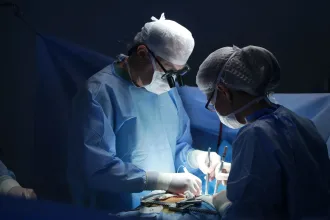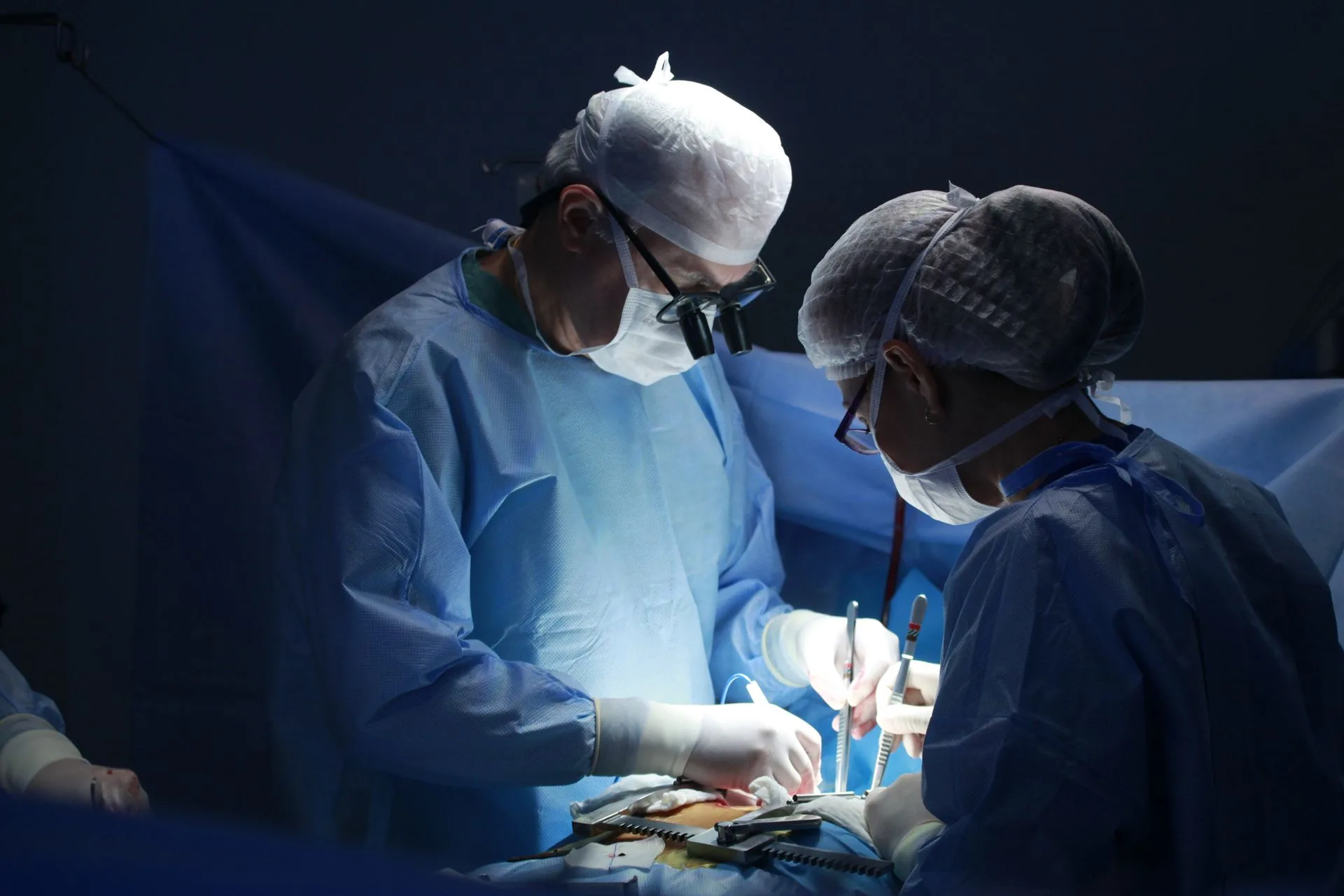
Ian Reight is a general surgeon practicing in Vernon, Maine. He has served as medical staff president, chief of surgery, and medical director of both a breast center and a wound care and hyperbaric program. He is also a lead surgeon in robotic surgery. In this conversation, he talks about where he still finds something to learn, decades into the work.
You Trained Years Ago. Where Does New Learning Come From Now?
Less from textbooks than people expect. Most of what sharpens my judgment now comes from watching other people work, patients, residents, nurses, and noticing what they see that I don’t.
A textbook gives you the disease. It doesn’t give you the person in front of you, what they’re afraid of, what they’re not telling you. That part I’m still learning, every week.
What Do Patients Teach You That Training Didn’t?
How much they already know about their own bodies before they ever say it out loud.
I studied psychology before medical school, and I didn’t expect how much that would matter in surgery. Patients often sense something is wrong before any test confirms it. If I just ask the right question and actually wait for the answer, they’ll tell me things that change how I plan a case. That’s not a skill I got from anatomy class. It’s closer to listening, and I’m still getting better at it.
Do Younger Physicians Ever Teach You Something?
Often, and usually without meaning to.
Residents and younger colleagues come in with questions I stopped asking myself years ago, because the answer had become automatic. “Why do we do it this way?” is a fair question even when the honest answer is “because it’s always worked.” Sometimes that question makes me look again at a habit and realize it needs updating. Newer surgeons are also often more comfortable with the technology than I was starting out, and I’d rather learn that from them than pretend I don’t need to.
How Do Complications or Difficult Cases Change What You Do Next Time?
Every surgeon carries a mental list of cases that didn’t go the way they planned. Mine is no shorter than anyone else’s.
What I’ve learned to do with that list is treat it as information, not just memory. After a case that goes sideways, I go back through the decisions in order: what I knew at each point, what I assumed, where the plan should have changed sooner. That review has taught me more about my own blind spots than any conference has. It’s uncomfortable work, and it should be.
Outside the Hospital, What Keeps You Sharp?
Cooking, oddly enough.
It’s not a hobby I picked for relaxation, though it does that too. Cooking well requires the same thing surgery does: a plan, attention to timing, and the willingness to adjust the moment something isn’t behaving the way the recipe said it would. I’ve learned more about staying calm under a changing situation from a kitchen than I expected to. It’s a smaller stage with lower stakes, which makes it a good place to practice.
Is There a Part of Surgery You’re Still Figuring Out?
Communication, more than technique.
I can learn a new instrument or a new approach in an operating room reasonably fast. Learning how to explain a diagnosis so a frightened patient actually absorbs it, in the two or three minutes you realistically have, is harder and never finished. I don’t think anyone masters that. You just get a little better at it with every conversation that didn’t land the way you wanted.
What Would You Tell a Younger Version of Yourself About Learning on the Job?
Stop treating it as something that ends at graduation.
I came into medicine after years as a volunteer firefighter and paramedic, and that work taught me that the people who stay sharp are the ones who keep treating every shift like there’s something new in it. Surgery rewards the same habit. The day you decide you’ve learned enough is the day your patients start paying for it.