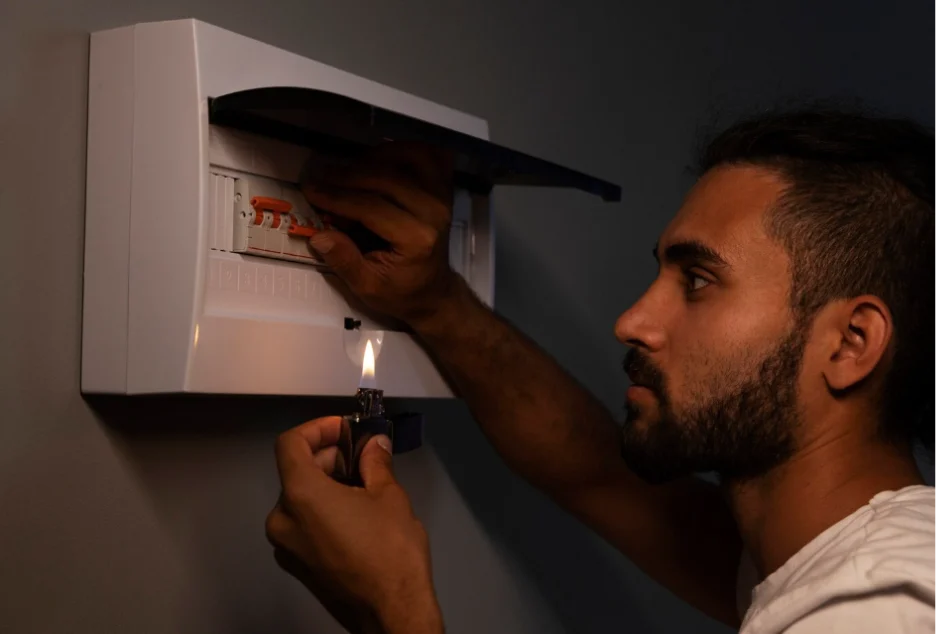
Power outages rarely happen at a convenient time. One moment everything is running normally, and the next you’re dealing with spoiled food, disrupted internet, dark rooms, and appliances that suddenly stop working.
Across Australia, severe weather events, grid disruptions, and unexpected outages can leave households without electricity for hours—or even days. During these situations, having a reliable backup power source can make the difference between a minor inconvenience and a major disruption.
That is why more homeowners are turning to generators as a practical way to keep essential appliances running and maintain comfort when the grid goes down. However, choosing the right generator is not always straightforward. With different fuel types, power capacities, and generator styles available, it is important to understand which option best suits your household and lifestyle.
Before making an investment, there are several key factors worth considering. From calculating your power requirements to comparing fuel options and selecting the right features, each decision plays a role in finding a backup power solution you can depend on.
Read on to discover the most important things to consider when choosing the best generator for home backup power in Australia.
1. Match Generator Capacity to Household Needs
The first step is to figure out what kind of power your house requires in the event of a blackout. Each home is unique, and therefore your backup power needs differ. List the appliances to be kept operating during a power outage.
When looking for the best generator for home backup power Australia, focus on both essential and everyday-use appliances. This can be refrigerators, freezers, medical equipment, lights, internet modems, water pumps, etc. Some households may also wish to operate air conditioners or heating systems.
Then sum up the wattage of all these appliances. Please note that certain appliances require additional power during start-up. Selecting an appropriate size generator ensures that you have the right electrical backup without having to spend extra money for additional power.
2. Compare Fuel Options for Long-Term Reliability

The choice of fuel directly affects the convenience, maintenance, and operating costs. So it’s important to carefully consider what options are available.
One of the most popular options for home backup power is a petrol generator. They are readily available, simple to use, and can be used from time to time. One advantage of the petrol units is that fuel is easily available when required.
If there is a greater demand for power, a diesel generator may be chosen. They are known for fuel efficiency and durability, especially when operating for extended periods. This makes them ideal for households with longer outages.
The other possibility is a gas-powered generator. Natural gas or LPG-fueled homes might have benefits when the situation of power failure lasts, because they can have a reliable fuel supply and fewer refueling needs.
Fuel availability, storage, and expected use pattern can be compared to help select the most appropriate option for your long-term requirements.
3. Select Between Portable and Standby Models
Another factor to consider in the decision-making process is the type of generator. Your selection should depend on how much money you have and how much backup power you need.
Portable generators are in demand due to their flexibility. They can be removed if necessary and stored when not in use. These units can be used to operate certain appliances during brief power outages.
Standby generators, on the other hand, are wired directly into the home and are permanently installed. Some of the standby models start up automatically during a loss of utility power. As a result, they provide seamless backup power without requiring manual setup.
Standby systems may be more convenient for households that have frequent power outages or require constant power from several appliances. For homeowners who want the power to keep their home running during power outages for a lower up-front price, portable units are also a viable option.
4. Prioritize Clean Power for Sensitive Appliances

Electronic devices are of great importance in modern homes. Stable electricity is essential for any computer, TV, games console, smartphone, or smart home system to function safely.
That is where inverter generator technology comes in handy. Clean, consistent power from inverter generators helps to prevent damage to sensitive electronics. For this reason, they are usually preferred in residential applications.
The other benefit is lower noise levels. Inverter models usually have lower noise levels than other conventional generators. This may be particularly helpful in suburban areas where noise can become an issue.
Furthermore, inverter technology can often enhance fuel efficiency. Fuel consumption can be lowered during lighter usage periods, as the engine speed varies to meet the power needs.
If you have a household that cannot go without an electronic device at all, clean power should be more of a priority than an afterthought.
5. Check Essential Features Before Purchase
Generator specifications can vary significantly between models. Therefore, it is important to look beyond power output and evaluate features that improve performance, safety, and convenience.
Electric start systems make operation easier, particularly during emergencies when quick access to backup power is important. Instead of using a pull-start mechanism, the generator can be activated with minimal effort.
Automatic voltage regulation is another valuable feature. It helps maintain stable power delivery and protects connected appliances from voltage fluctuations.
Some standby generators also include auto-start functionality. This feature detects power loss and automatically starts the generator, reducing downtime during outages.
Safety features deserve equal attention. Low-oil shutdown systems, overload protection, and circuit breakers help protect both the generator and connected equipment. These features contribute to reliable operation and can help prevent costly damage.
6. Consider Local Conditions and Future Power Demand

Environmental conditions and future household needs should also influence your decision. Australia experiences a wide range of weather conditions, and some regions are more prone to power disruptions than others.
For example, homes located in storm-prone areas may benefit from larger-capacity generators capable of supporting extended outages. Rural properties often have additional requirements such as water pumps, refrigeration systems, and farm-related equipment that depend on reliable electricity.
It is also wise to think about future changes. Household energy needs often increase over time as new appliances and technologies are added. Selecting a generator with some additional capacity can provide flexibility and help avoid the need for an early upgrade.
Furthermore, consider maintenance support, spare parts availability, and service accessibility. A generator is a long-term investment, and reliable support can make ownership much easier over its lifespan.
Conclusion
Choosing the right generator starts with understanding your household’s specific backup power needs. Once you determine the required capacity, you can compare fuel options, evaluate portable and standby models, and identify features that add value and reliability. At the same time, considering power quality is essential if you rely on sensitive electronic devices.
Local Australian conditions and future energy demands should also play a role in your decision. A generator that suits your needs today should continue delivering dependable performance for years to come.
By taking a practical and informed approach, you can select a backup power solution that helps keep your home comfortable, connected, and prepared during unexpected outages.