Buying car insurance used to mean phone calls, paperwork, and a lot of guesswork. Today most of that work happens on a screen, often in a few minutes.

Drivers now expect speed and clear pricing, and the market has caught up. Comparing carriers online or through services like IIS Insurance services makes a once-tedious task far simpler. This article looks at how the tools changed, and how to use them well.
How Has Technology Changed Car Insurance Shopping?
It moved the entire process online, from the first quote to the signature. A decade ago, getting three quotes meant three separate phone calls. Now the same search can take minutes on a phone.
The biggest shift is information. Drivers can see prices, reviews, and coverage details side by side, where those facts once stayed hidden until an agent shared them. That openness has pushed the insurance industry toward clearer pricing and faster service.
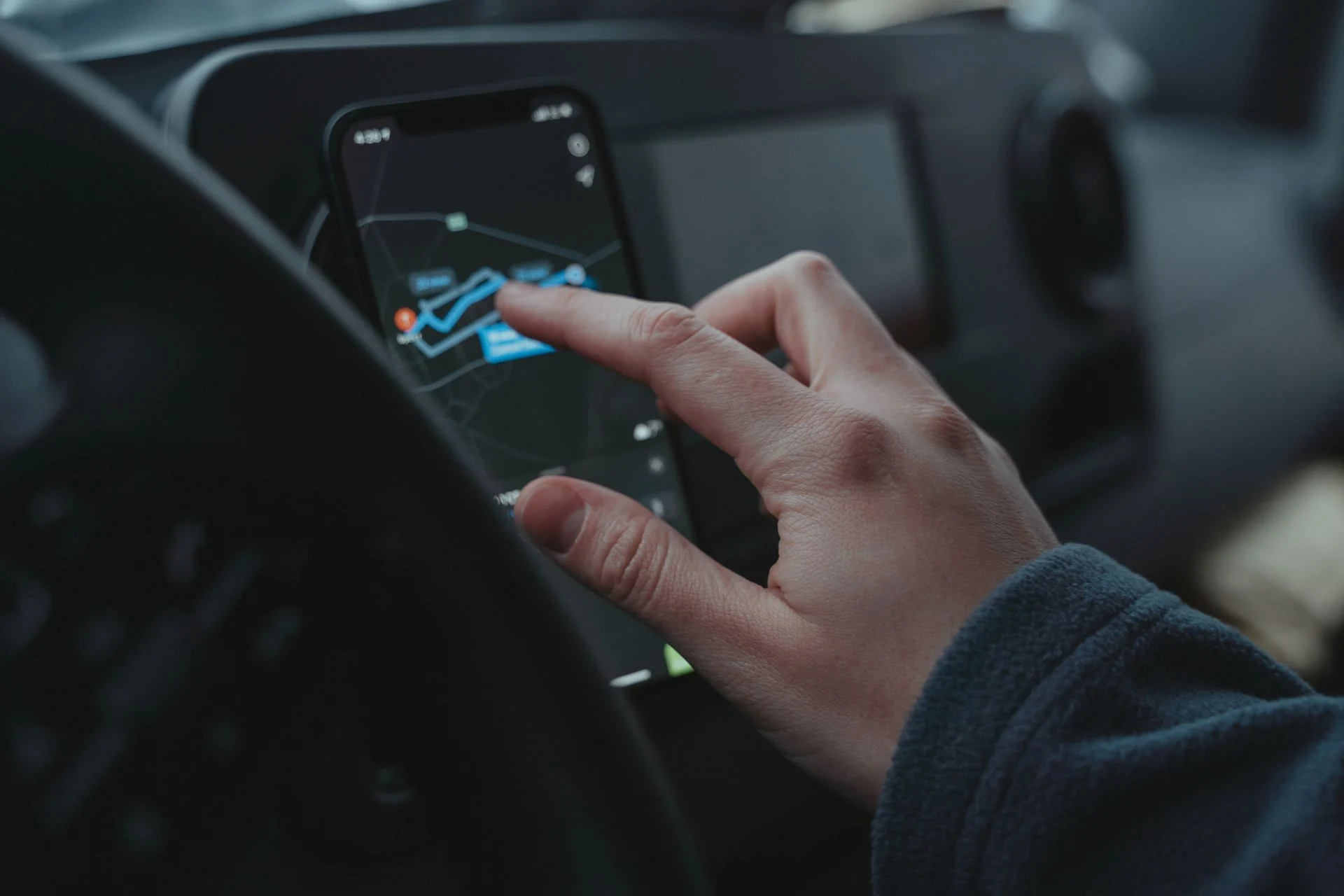
Data changed too. Insurers now pull credit history, driving records, and even real-time vehicle data to price a policy. Quotes arrive faster and fit the individual driver more closely than before. Some apps read mileage or location straight from the car, so the price reflects how a vehicle is really used.
The result is a market where shopping around genuinely pays off. The driver who renews on autopilot usually pays for the convenience, year after year. Switching insurer at renewal has never been easier, yet many people still let the policy roll over out of habit.
What Digital Tools Help Drivers Today?
Quite a few, and most of them are free to use. A handful of tools now do the heavy lifting that agents once handled alone. The main ones include:
- Comparison sites. Pull several quotes from a single search in minutes.
- Mobile apps. Manage a policy, file a claim, or pay from a phone.
- Telematics programs. Track safe driving to earn a lower premium.
- Online quote tools. Give an instant estimate before you commit.
- AI chatbots. Answer common questions 24/7 without a wait.
Each tool removes a small piece of friction. Together they turn a process that once took days into one you can finish in an afternoon. The trade-off is that the driver, not an agent, now carries the work of comparing.
This wave of innovation even has a name. The broad shift toward software-driven coverage is now called insurtech, and it reaches from instant quotes to claims you settle inside an app.
Do You Still Need a Human Agent?
Often yes, especially when your situation is not straightforward. Technology handles the simple cases beautifully, but it has clear limits.
For a clean record and a standard car, an online quote is usually all you need. The automated tools were built for exactly that kind of driver, and they do it well.
Complex cases are different. Drivers with a poor record, a specialty vehicle, or an SR-22 filing often fall outside the neat boxes the software expects. These drivers need a carrier willing to underwrite the risk, and finding one by trial and error online wastes both time and money. That is where an independent agent, working with several carriers, still earns their keep.
A good agent reads the situation first and matches the carrier afterward. The smartest approach blends both worlds: use the digital tools to learn the market, then lean on a human for the tricky parts. A little knowledge of everyday technology helps, but judgment still matters when the stakes are high.
How Do You Shop Smart In a Digital Market?
By using the tools without letting them rush you. The same speed that helps you can trip you up if you skip the details. A few numbers keep the search grounded:
- Gather at least 3 quotes before you decide.
- A full online search takes about 15 minutes.
- Rates for the same driver can vary by 40 percent.
- Review your policy at least 1 time a year.
- Keep 2 to 3 carriers on your shortlist.
Those figures stop a fast search becoming a careless one. The table below frames the main trade-offs to watch.
| Tool | What to Watch |
| Comparison sites | May not list every carrier |
| Telematics | Tracks your driving data |
| Instant quotes | Final price can change later |
| Chatbots | Limited on complex questions |
| Auto-renewal | Quietly raises your premium |
Each row is a reminder that convenience has a catch. Good money habits apply here too, since the cheapest sticker price is rarely the whole story. The smartest shoppers treat the tools as a starting point, learn a few proven ways to save, then read the fine print before they buy.
What This Means for Drivers
- Technology has moved insurance shopping almost entirely online.
- Comparison sites, apps, and telematics now do much of the work.
- Automated tools suit simple cases; complex ones still need a human.
- Gather several quotes and review your policy once a year.
- The cheapest quote is not always the best-fitting policy.
The Smarter Way to Shop for Insurance
Technology has made buying car insurance faster, clearer, and more competitive than ever. Use the digital tools to compare widely and understand the market, but do not switch off your judgment. For anything unusual, a knowledgeable human still adds value the software cannot. Shop smart, lean on both, and you will land better coverage for less.
Frequently Asked Questions
Is It Cheaper to Buy Car Insurance Online?
Often yes. Online tools let you compare several carriers quickly, which usually surfaces a better price than renewing without checking. The savings come from shopping around, not the channel itself. Even a 15-minute search can reveal a noticeably cheaper option, and a phone call to confirm the details still costs you nothing.
How Does Telematics Affect My Premium?
Telematics programs track how you actually drive, using a phone app or a small device. Safe habits like gentle braking and fewer late-night trips can lower your premium over time. Drivers with steady, low-mileage routines tend to benefit most from these usage-based plans.
Can I Buy Car Insurance Without an Agent?
Yes. Many drivers now buy a standard policy entirely online without speaking to anyone. An agent still helps for complex needs, such as a poor record, a specialty vehicle, or an SR-22 filing. For straightforward cases, a self-service quote is usually enough, and you can always call later if a question comes up.
How Often Should I Compare Car Insurance Quotes?
At least once a year, and after any big life change. Rates shift constantly, so the best deal today may not be the best in twelve months. Comparing a few quotes at renewal time keeps your premium honest and your coverage current.