A decade ago, a wet-floor fault fight in a big-box store came down to three things: a shopper’s memory of what they saw before they went down, a manager’s handwritten sweep log, and whatever the overhead camera happened to catch at a usable angle. The sweep log was usually the weakest link. A clipboard on a hook, filled in at the end of a shift, sometimes in advance.
The clipboard has company now. The autonomous floor scrubber grinding through aisle seven at four in the morning is running a lidar stack, two depth cameras, and a stereo rig, and it writes a timestamped, geo-tagged record of every square foot it covers.
That record outlives the shift, outlives the manager, and keeps running after the lawsuit is filed. For an injured customer, and for the business being sued, the machine has become the most credible witness in the building.
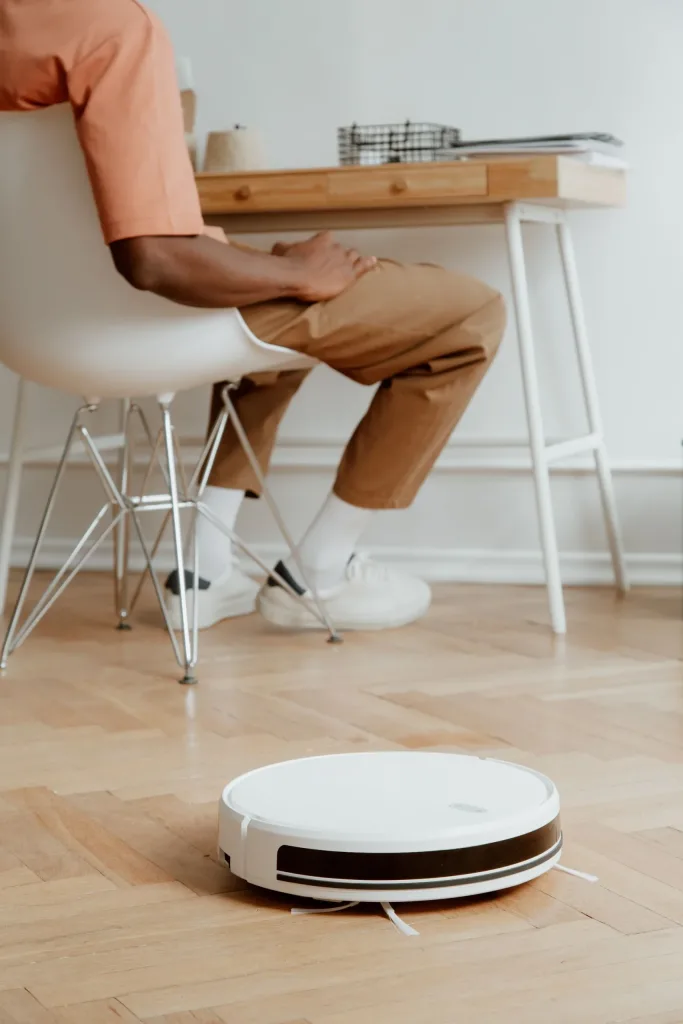
The Machine Is Already Keeping Records Before Anyone Falls
Commercial autonomous scrubbers are not Roombas. The research platforms the current generation of fleet machines descend from use a heterogeneous sensor stack, synchronized and time-stamped on the robot. A study of the FLOBOT scrubber describes a system built around 3D and 2D lidar, RGB-D cameras, and a stereo rig that together track people in the aisle and classify what is on the floor in front of the brush head.
Translate that out of the lab. When a modern fleet scrubber crosses aisle seven in the small hours of the morning, it logs that it was there, how fast it was moving, what the floor looked like before the pass, what it dispensed, and what the floor looked like after.
If it detected a shopper nearby, that is in the log too. If it swerved around an obstacle, that is in the log. None of this requires the operator to remember anything.
An injured customer who hired a slip and fall attorney five years ago usually fought over whether the store should have known about the spill. The same customer today is fighting over what the robot already recorded about it.
Constructive Knowledge Looks Different When the Floor Was Just Mapped
Premises liability in most places still turns on notice. Did the business know about the hazard, or should it have known, with enough time to do something? That second half, constructive knowledge, used to be inferred from thin evidence: how dirty the spill looked, whether cart tracks ran through it, when an employee was last seen in the aisle.
The scrubber reframes the question. If the machine passed the exact spot eleven minutes before the fall and its forward-facing cameras saw a dry floor, the store has a strong argument that the hazard appeared in a window too short to catch. If the machine passed and its own detection flagged a wet zone it then failed to clean, or if a human operator overrode the alert and kept moving, the store has a serious problem. The log tells on everyone.
The OSHA standard for walking-working surfaces already requires regular inspection and prompt correction of hazards. A scrubber log is, in effect, an automated inspection record. When it exists and the business cannot produce it, the inference a jury can draw is not friendly.
The Data Has a Shelf Life Measured in Days, Not Years
Here is the part that catches injured people flat. The scrubber’s rich data, the raw sensor streams and the per-pass maps, usually does not live on the robot for long. It is uploaded to a fleet dashboard, aggregated into cleaning-coverage reports for the facilities manager, and the raw files then roll off on a retention schedule set by the vendor’s contract.
What survives long-term is often a summary, not the frame-by-frame record of the aisle where someone fell. That is the preservation window. If a letter does not go out to the store, the cleaning contractor, and the robot vendor within the first couple of weeks, the detailed layer tends to be gone by the time discovery opens. The summary report will still show the pass happened. It will not show the video of what the floor looked like.
Preservation requests in these cases now have to name three parties who used to be one:
- The store or facility operator, which holds the incident report, the camera footage, and the service contract.
- The cleaning contractor, which usually owns or leases the scrubber and runs the overnight route.
- The robot vendor, which hosts the fleet dashboard where the raw sensor logs, maps, and detection events actually live.
What an Injured Person Should Do After a Slip-and-Fall Accident
After a slip-and-fall accident, injured customers should report the incident to store management, seek medical attention, and document the area where the fall occurred. Photographs of the floor, nearby cleaning equipment, warning signs, and surrounding conditions can help establish what happened. It’s also important to collect witness information and request that the store preserve surveillance footage and cleaning records.
If the store uses autonomous floor scrubbers, an attorney can help identify the equipment manufacturer, cleaning contractor, and any third-party vendor responsible for maintaining its digital records. Preservation requests should specifically address available cleaning routes, timestamps, sensor data, and hazard alerts before routine data deletion occurs. Acting quickly can help ensure that potentially valuable evidence remains available when determining whether the store knew or should have known about the dangerous condition.